Global researchers assess potential of underground geologic hydrogen reserves
A global exploration effort is underway to determine if underground geologic hydrogen can serve as a zero-carbon fuel source, though significant economic and technical challenges remain.
A global exploration effort is underway to determine the viability of underground geologic hydrogen as a zero-carbon fuel source. While researchers have confirmed natural hydrogen generation in specific locations, including the Kidd Creek mine in Ontario, Canada, and the Bulqizë chromium mine in Albania, no commercially viable reservoirs have yet been identified. Studies indicate that while hydrogen is present, significant challenges remain in extracting it economically and reliably at scale.
Geochemist Barbara Sherwood Lollar and colleague Oliver Warr re-analysed data from 35 boreholes at the Kidd Creek mine, finding an average release of eight kilograms of hydrogen per year per borehole. Extrapolating this to the mine's 14,000 boreholes suggests approximately 140 metric tons of hydrogen flow unused from vents annually. This data, published earlier this year in the journal PNAS, indicates the potential to power a substantial portion of the mine's operations if captured.
Laurent Truche’s team at the University of Grenoble Alpes reported in 2024 that at least 200 metric tons of hydrogen flow out of the Bulqizë mine in Albania annually. Truche noted that the remaining challenge is not proving that natural hydrogen exists, but proving that it can be produced economically and reliably at commercial scale.
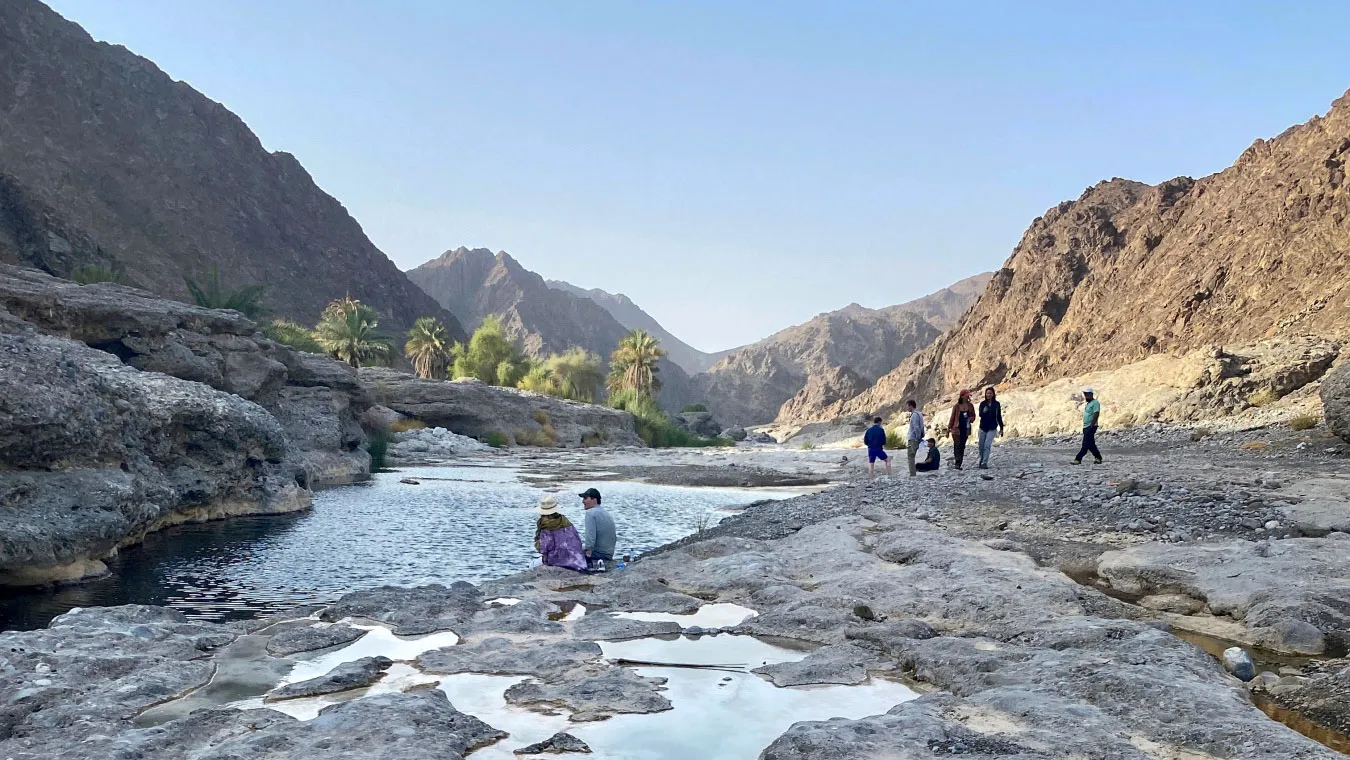
A project in Oman involved drilling a one-kilometre borehole and injecting 50,000 cubic metres of water into reactive rock; months later, the well emitted gas that was 90% hydrogen. Jo Shannon, a geoscientist at the University of Southampton, presented these findings at the European Geosciences Union conference, though she cautioned that unknowns remain regarding whether the hydrogen was generated by the stimulation or was already present.
ARPA-E is funding more than a dozen projects aimed at stimulating hydrogen production by injecting water, heat, or catalysts, with a goal of accelerating production rates by a factor of 10,000 to achieve commercial viability. Australian firm HyTerra and Bill Gates-backed company Koloma are exploring ancient oceanic rocks in the US Midwest for hydrogen potential.