Global rainforest destruction eases in 2025 as Brazil policies curb deforestation
A joint study by the World Resources Institute and the University of Maryland indicates that decisive government intervention has slowed tropical primary rainforest loss, though the 2030 targets remain far out of reach.
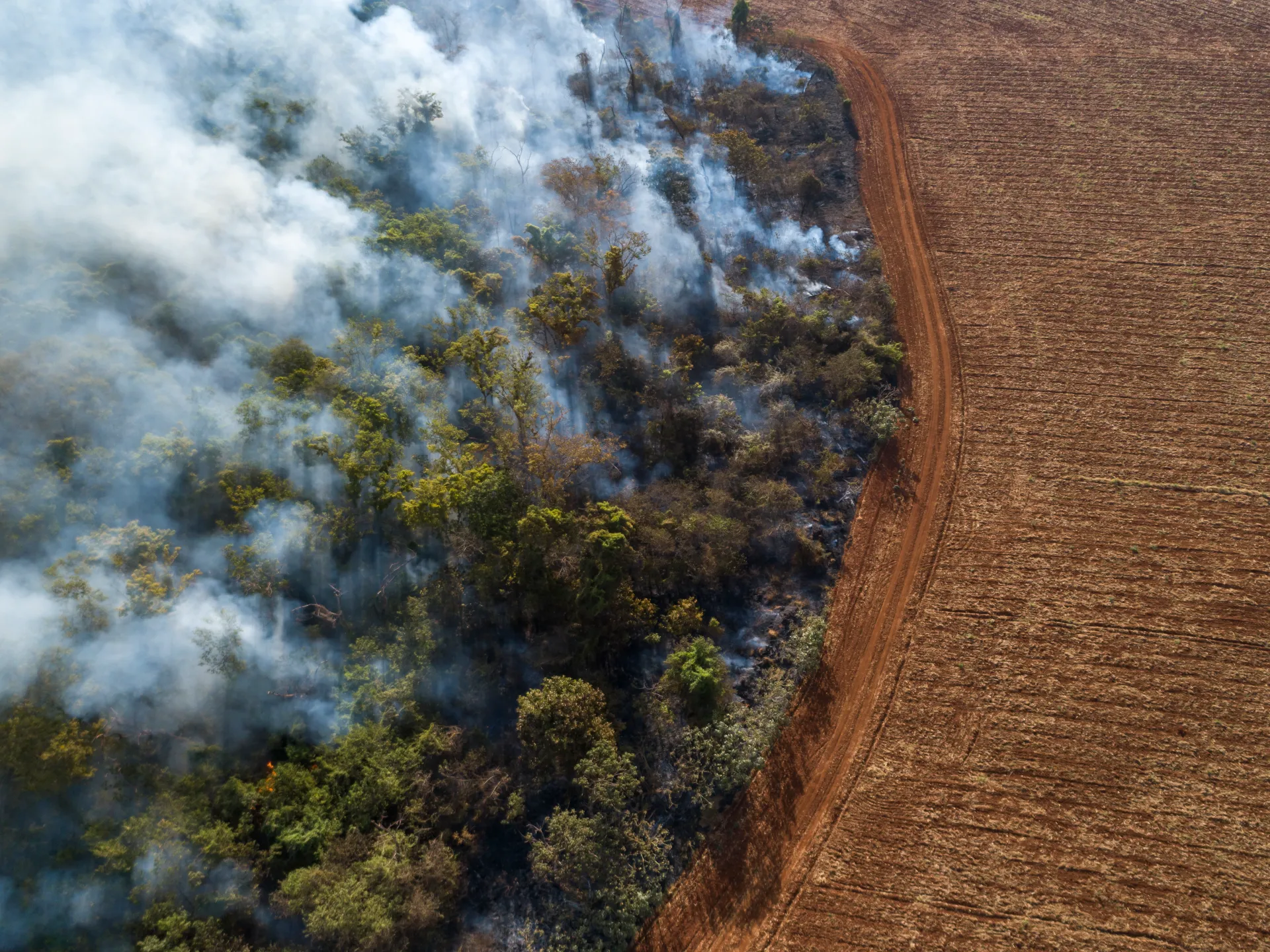
Global tropical primary rainforest loss decreased by 36 per cent in 2025, falling to 4.3 million hectares according to a new study by the World Resources Institute and the University of Maryland. This reduction marks the first significant slowdown following a record year of destruction, with researchers attributing the decline primarily to decisive government action.
The most substantial contribution to this trend came from Brazil, where forest loss excluding fires dropped by 41 per cent to reach its lowest rate on record. This sharp decline is associated with stronger environmental policies and enforcement implemented by President Luiz Inacio Lula da Silva since taking office in 2023. The Brazilian leader relaunched an anti-deforestation action plan and increased penalties for environmental crimes, which appears to have curbed the expansion of soya bean production and cattle ranches that previously threatened the nation's forests.
Despite this progress, the scale of destruction remains alarming when viewed against long-term goals. The 2025 global forest loss figure of 4.3 million hectares is still 46 per cent higher than the average recorded ten years ago. Furthermore, total forest loss remains 70 per cent above the level required to meet the 2030 target of halting and reversing forest loss, indicating that current policy measures are insufficient to achieve the necessary reduction in greenhouse gas emissions.
Progress was also observed in neighbouring Colombia, where forest loss fell by 17 per cent, marking the second lowest year on record since 2016. This improvement is credited to government policies and agreements limiting forest clearing. However, tropical forest loss remained high in other regions, including the Democratic Republic of the Congo and Cameroon, suggesting that the global challenge extends beyond the policies implemented in South America.
Researchers caution that the recent decline partly reflects a lull following an extreme fire year rather than a permanent shift in trends. Climate change-induced fires now account for 42 per cent of tropical forest loss, with Canada experiencing its second-worst fire year on record as wildfires tore through millions of hectares. These events are increasingly turning ecosystems that once acted as carbon sinks into sources of greenhouse gas emissions.
The outlook is further complicated by the expected return of the El Nino weather phenomenon in the middle of the current year. This event raises the threat of heatwaves, droughts, and wildfires that could reverse the recent gains made by government efforts to tackle deforestation. As Rod Taylor, the global director for forests at the World Resources Institute, noted, the world remains on a knife's edge where natural cycles are intensifying under a warming planet.