Global press freedom hits historic low as call for independent investigative body grows
Reporters Without Borders data reveals record decline in global press freedom conditions, with over half of nations facing serious restrictions
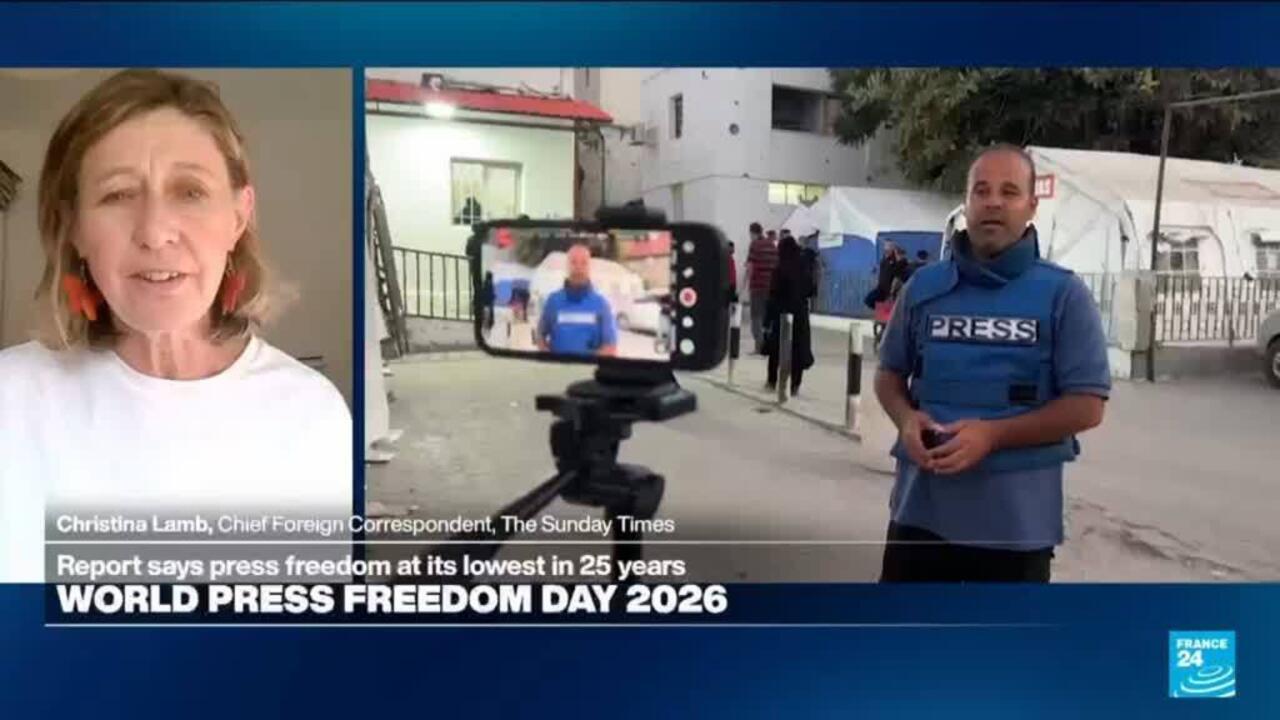
World Press Freedom Day has arrived with a stark reality: the latest index from Reporters Without Borders indicates the current year represents the worst state of press freedom in the organisation's 25-year history. The data released coinciding with the annual observance shows a record low global average score, signalling a significant deterioration in the operational environment for journalists worldwide.
The structural implications of this decline are severe, with the index classifying more than half of all countries as having either difficult or very serious press freedom conditions. This shift marks a critical juncture in global governance, as only one per cent of the world's population now resides in nations rated as having good press freedom conditions, highlighting a profound imbalance in the global information landscape.
In response to these findings, Christina Lamb, Chief Foreign Correspondent at The Sunday Times, has publicly advocated for the creation of an independent body dedicated to investigating crimes against journalists. Lamb, who participated in a discussion on France 24's Spotlight programme, argues that existing frameworks are insufficient to address the surge in threats and violence targeting media professionals.
The discussion on France 24, hosted by Gavin Lee, focused on the urgent need for a new investigative mechanism to hold perpetrators accountable. Lamb's proposal aims to establish a dedicated institution capable of systematically examining cases where journalists are targeted, moving beyond ad-hoc responses to a more robust institutional approach.
Geographically, the risks remain concentrated in specific regions identified by the RSF index. Eritrea continues to be flagged as the most dangerous place for journalists, while the Gaza Strip is listed among the deadliest locations for reporting. These designations underscore the persistent and acute dangers faced by correspondents operating in conflict zones and authoritarian states.
The release of this index serves as a critical data point for policymakers and international bodies monitoring the state of civil liberties. As the global average score reaches unprecedented lows, the call for a formalised investigative body represents a shift from documenting the crisis to proposing structural solutions for accountability.