Global oil production slashed by 14.5m barrels as Tehran's offer to reopen Hormuz stalls
Brent crude surges past $109 despite diplomatic overtures, as maritime traffic in the Strait of Hormuz plummets to a fraction of pre-conflict levels.
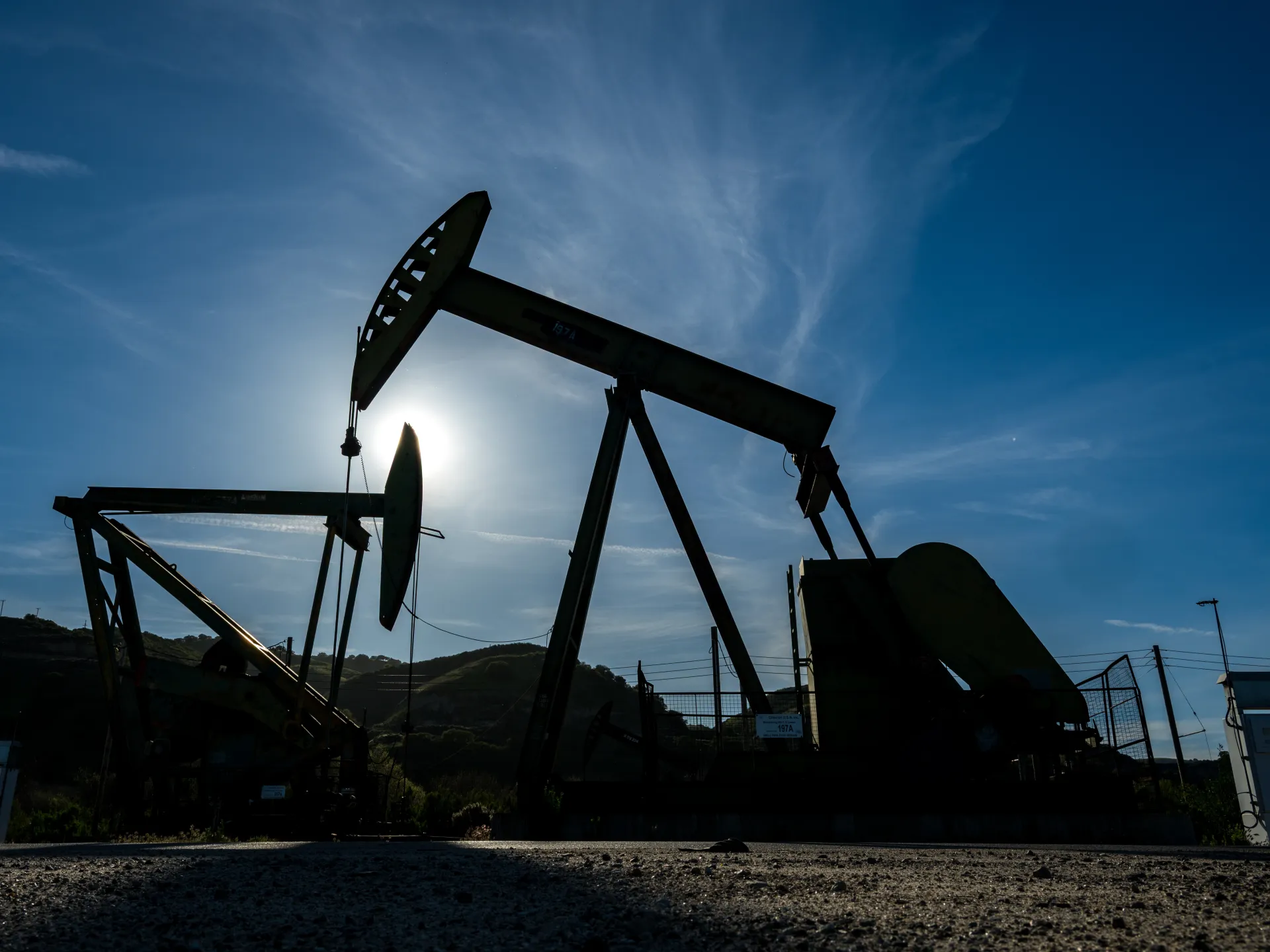
Brent crude prices climbed more than one per cent to $109.42 per barrel on Tuesday, marking an eleven per cent increase from the previous week. This surge occurred despite a diplomatic initiative from Tehran to lift its blockade of the Strait of Hormuz, a move conditioned on deferring nuclear negotiations with the United States. Market participants have remained unconvinced by the offer, citing the critical nature of the waterway for global fuel supplies and the lack of immediate relief for energy flows.
The proposal, shared by Iranian Foreign Minister Abbas Araghchi with interlocutor Pakistan, explicitly seeks to decouple the reopening of the strait from the stalled nuclear programme talks between Washington and Tehran. While the United States has not issued a public comment regarding this specific Iranian initiative, the market reaction suggests that the physical reality of the blockade outweighs diplomatic gestures. Traders continue to price in the severe disruption to the region's energy infrastructure rather than potential future resolutions.
Maritime traffic in the strait has plummeted to a trickle, with only eight vessels crossing on Sunday. This stands in stark contrast to the average of 129 daily transits recorded prior to the conflict which began on 28 February, according to data from the United Nations Trade and Development. The sharp decline in shipping activity underscores the severity of the situation, as the blockade and associated attacks on regional energy infrastructure have reduced global oil production by an estimated 14.5 million barrels per day, per a Goldman Sachs estimate.
Broader assessments indicate that the ongoing conflict is already driving up global fuel and food costs, posing a significant threat to livelihoods. Earlier projections suggest the situation could push millions back into poverty across the Global South. The paralysis of a significant portion of the world's oil and natural gas supplies has created a backdrop of economic instability that diplomatic proposals have yet to alleviate.
Shipping and logistics experts have warned that it will likely take months for energy flows to return to normal even if a deal is reached to end the war. This delay is attributed to the backlog of unloaded oil and gas, damage to infrastructure, and the necessary time required to clear the waterway of Iranian mines. Consequently, the immediate market focus remains on the tangible reduction in supply rather than the theoretical possibility of a future diplomatic settlement.