Global labour movements mark International Workers' Day amid French parliamentary debate
Unions in Paris have linked domestic economic grievances to international conflicts, while the status of May Day as a protected day remains contentious following recent legislative moves.
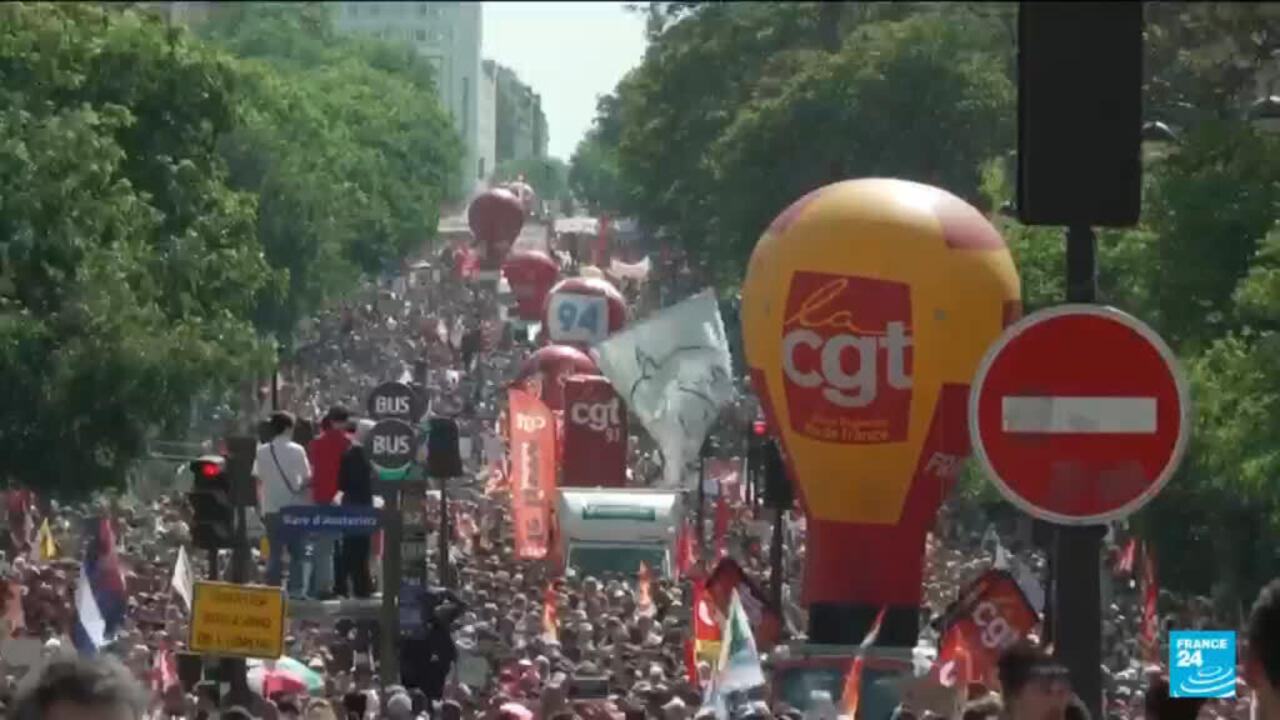
Activists across the globe marked International Workers' Day with mass street demonstrations, uniting to demand higher wages, improved working conditions, and broader labour rights. The day served as a focal point for global labour movements to advocate for better standards, with the scale of participation reflecting widespread dissatisfaction with current economic conditions.
In France, the sentiment was crystallised by unions organising protests under the specific slogan "bread, peace and freedom". This messaging explicitly connected domestic worker concerns to the ongoing conflicts in Ukraine and the Middle East, framing local economic struggles within a wider geopolitical context. The linkage suggests that regional policy disputes and the fallout from these international conflicts have become significant drivers for global labour demonstrations this year.
Concurrently, the observance of the holiday has ignited a heated domestic debate regarding the protection of May Day. The controversy stems from a recent parliamentary proposal in France that sought to expand work requirements on the day. This legislative move directly challenges the established tradition of protecting public holidays, making the issue particularly contentious in a nation with a long-standing history of safeguarding such days.
The proposal to require employees to work on May Day has triggered significant public discourse about the nature of the holiday itself. Critics argue that eroding the protection of this protected public holiday undermines the rights of workers, while the push for expanded work requirements highlights the tension between economic demands and traditional labour protections. The debate underscores the difficulty of balancing operational needs with the preservation of established social contracts.
While the demonstrations have drawn attention to the intersection of local grievances and international instability, the specific details regarding the current status of the French parliamentary proposal remain limited in public reporting. The focus of the unrest remains on the immediate demands for improved conditions, yet the legislative backdrop adds a layer of institutional complexity to the celebrations.
As the day concludes, the dual narrative of global solidarity and local legislative friction defines the atmosphere surrounding International Workers' Day. The event has successfully highlighted the interconnectedness of labour issues worldwide, even as specific national policies continue to evolve in response to these pressures.