Global energy crisis hits breaking point as France expands subsidies amid fiscal strain
With citizens in Bolivia and Kenya unable to cope with surging prices, nations face difficult choices between economic stability and fiscal responsibility.
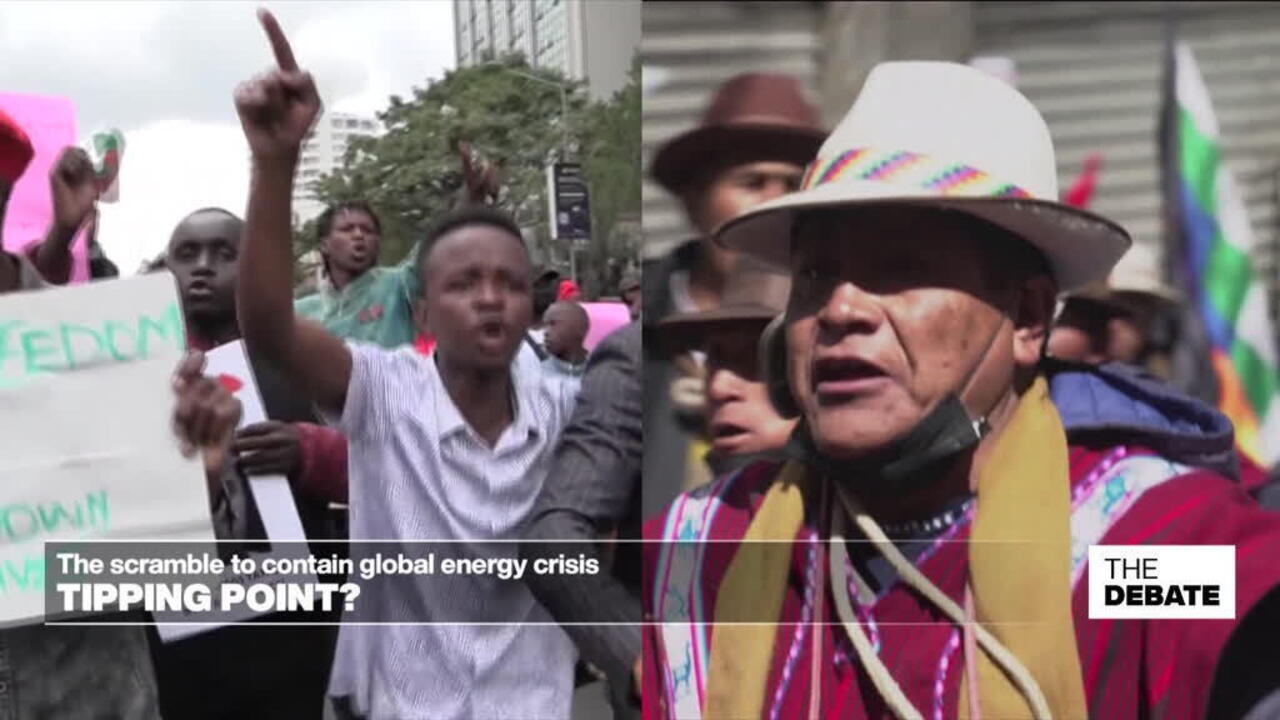
The global energy market has reached a critical tipping point, with citizens in nations such as Bolivia and Kenya struggling to cope with rising fuel prices. According to a report by France 24 International, the crisis has reached a breaking point in these regions, where households are unable to keep up with costs at the pump. The situation highlights the growing difficulty for governments to balance economic support with fiscal sustainability as energy costs continue to climb.
The ongoing conflict in Iran is cited as a primary driver disrupting livelihoods and fiscal planning across the Americas, Africa, and Asia. This geopolitical instability is derailing roadmaps for economic recovery in multiple regions, compounding the pressure on governments already grappling with high energy expenditures. The volatility of oil and gas prices remains a central concern, with analysts questioning the long-term stability of supply routes, specifically asking what would happen if the Strait of Hormuz is never the same again.
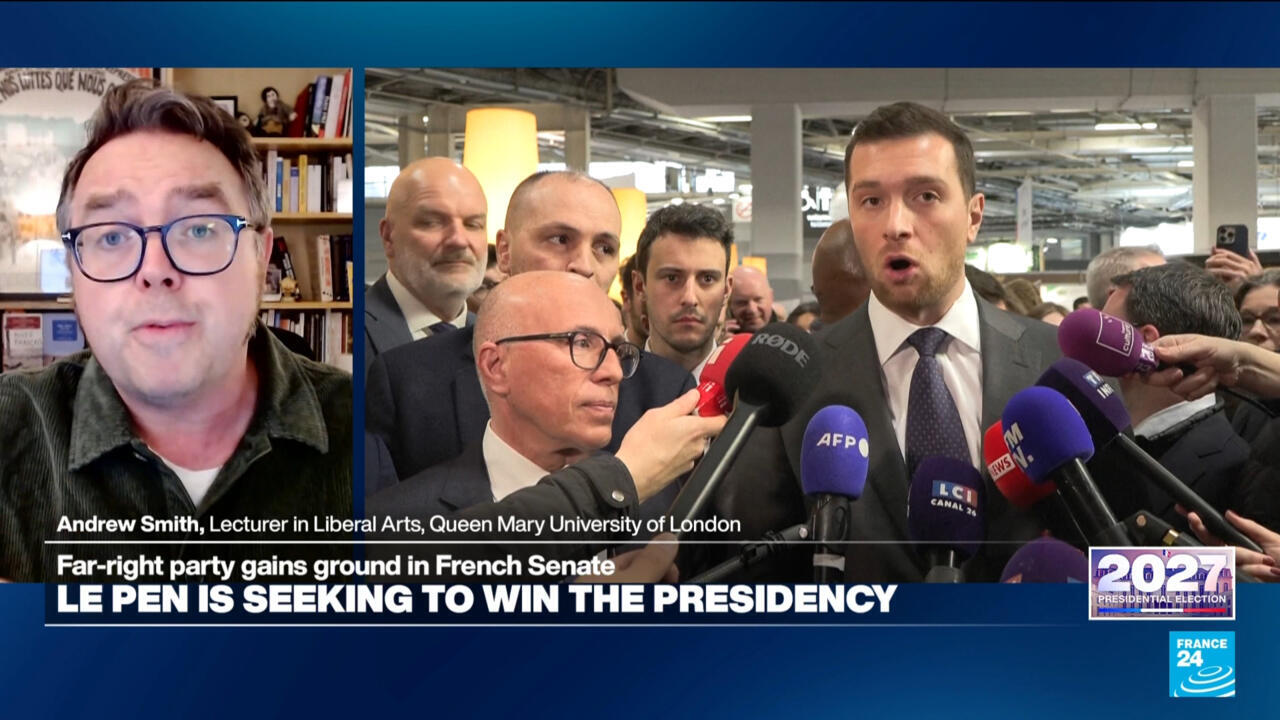
In Europe, France is facing significant fiscal pressure as it enters an election year. The country is currently running the largest budget deficit in the euro zone at 5.1 per cent of GDP. Despite this strain, the French Prime Minister has announced fresh measures to subsidise fuel, further loosening the state’s purse strings. This decision underscores the political necessity of maintaining energy affordability, even as it exacerbates the nation’s deficit.
The debate centres on whether nations should continue subsidising fuel, weighing the immediate social benefits against long-term economic risks. Historical context from the 2022 energy crisis is being referenced to inform current policy decisions, though the current landscape presents unique challenges. While subsidies are often criticised for damaging the environment and draining state coffers, they remain a politically necessary tool in many regions where citizens are unable to absorb price hikes.
Uncertainty remains regarding the immediate supply status of global fuel stocks, with questions raised about how much fuel remains before the global economy risks running on empty. The interplay between geopolitical conflict, market volatility, and domestic political cycles suggests that the scramble to contain the energy crisis will remain a dominant feature of international governance in the near term.