Glasgow 2026: A scaled-back Commonwealth Games bets on sustainability over spectacle
With costs slashed to £160 million and the event stripped to 10 sports, Glasgow 2026 represents a strategic pivot for Commonwealth Sport, prioritising financial viability and future host security over traditional grandeur.
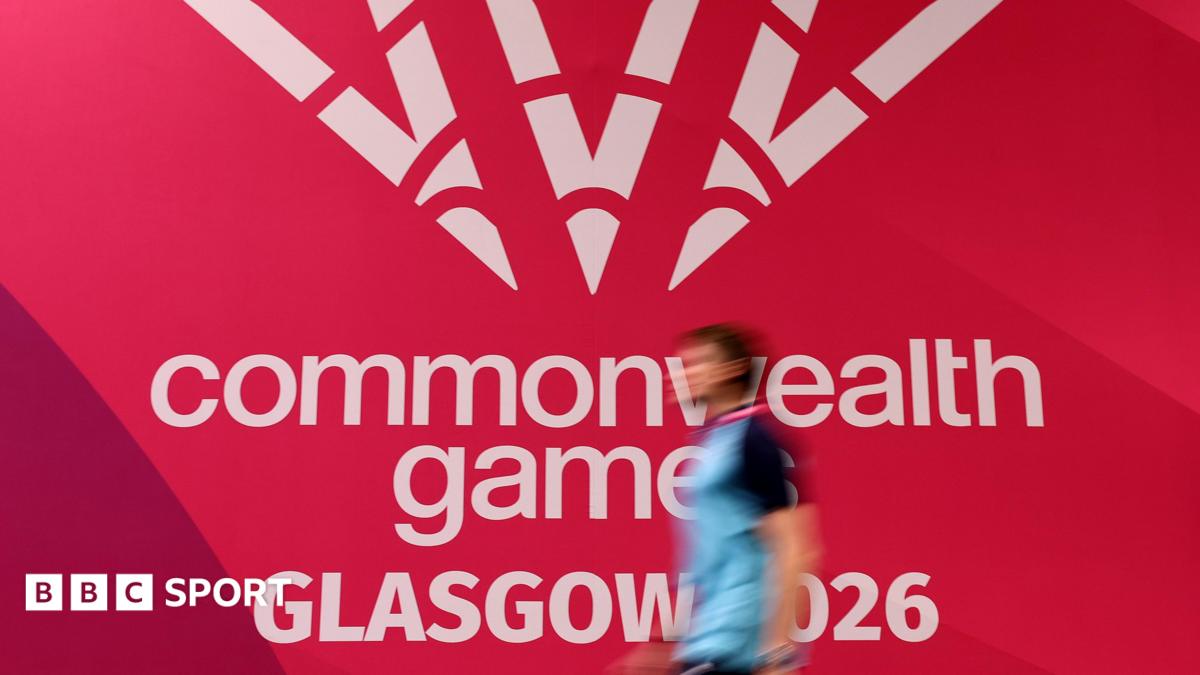
The 2026 Commonwealth Games opened in Glasgow on Thursday, marking the city’s second time hosting the event after Victoria, Australia, withdrew in 2023 due to escalating costs. The Glasgow edition features a significantly reduced scope, with only 10 sports compared to 20 in Birmingham 2022, and an expected 2,000 fewer athletes. Operational costs have been cut to £160 million, a fraction of the £700 million to £800 million spent on recent editions. Organisers view this streamlined model as a sustainable template for the future, noting that Ahmedabad has already been secured as the host for the 2030 Games.
The decision to scale back was driven by the need for financial prudence after the original hosts abandoned the bid. With limited preparation time, Glasgow utilised existing infrastructure, moving athletics events from Hampden Park to the smaller Scotstoun Stadium. This contrasts sharply with the 2014 Games, which featured 18 sports, and the 2022 Birmingham edition. The reduction in scale is intended to make the event an attractive proposition for member nations, addressing concerns about the prohibitive expenses associated with hosting.
Katie Sadleir, chief executive of Commonwealth Sport, stated that the organisation had to reset and reimagine the Games to ensure their long-term viability. The strategy appears to be working in securing future hosts, with Ahmedabad confirmed for 2030 and interest expressed by New Zealand and Nigeria for the 2034 edition. This shift from a large-scale spectacle to a more manageable event aims to stabilise the Commonwealth Games’ position in the international sporting calendar.
However, the scaled-back format has coincided with the absence of several high-profile athletes. Olympic champions such as Keely Hodgkinson, Julien Alfred, and Summer McIntosh have opted out, with some prioritising other competitions like the European Athletics Championships. While this may impact public interest, the event has seen stronger ticket sales for athletics and cycling, though overall numbers are expected to fall short of the 1.3 million sold in 2014.
A significant change in media coverage further complicates the event's reach. Broadcasting rights in the UK have shifted from the BBC to TNT Sports, resulting in no free-to-air live television coverage. While radio coverage remains on BBC Radio 5 Live, the loss of free-to-air TV access makes it more challenging to engage the general public. Despite these challenges, the Games have increased integration of Para-sport, with 47 medal events across six sports counting towards the overall total, a move praised for providing equal opportunities for athletes from smaller nations.
The 2026 Games serve as a critical test case for the Commonwealth Games’ future model. By prioritising cost control and sustainability, organisers hope to prevent future host withdrawals and ensure the event’s longevity. The success of this approach will be measured not just by the immediate spectacle, but by the continued commitment of member nations and the ability to attract hosts for upcoming editions.