Giants President Buster Posey Refuses to Address Pride Night Controversy in Media Scrum
San Francisco Giants president of baseball operations Buster Posey held a 13-minute media availability on Tuesday but declined to answer questions regarding the Pride Night controversy, stating he would only discuss baseball-related topics.
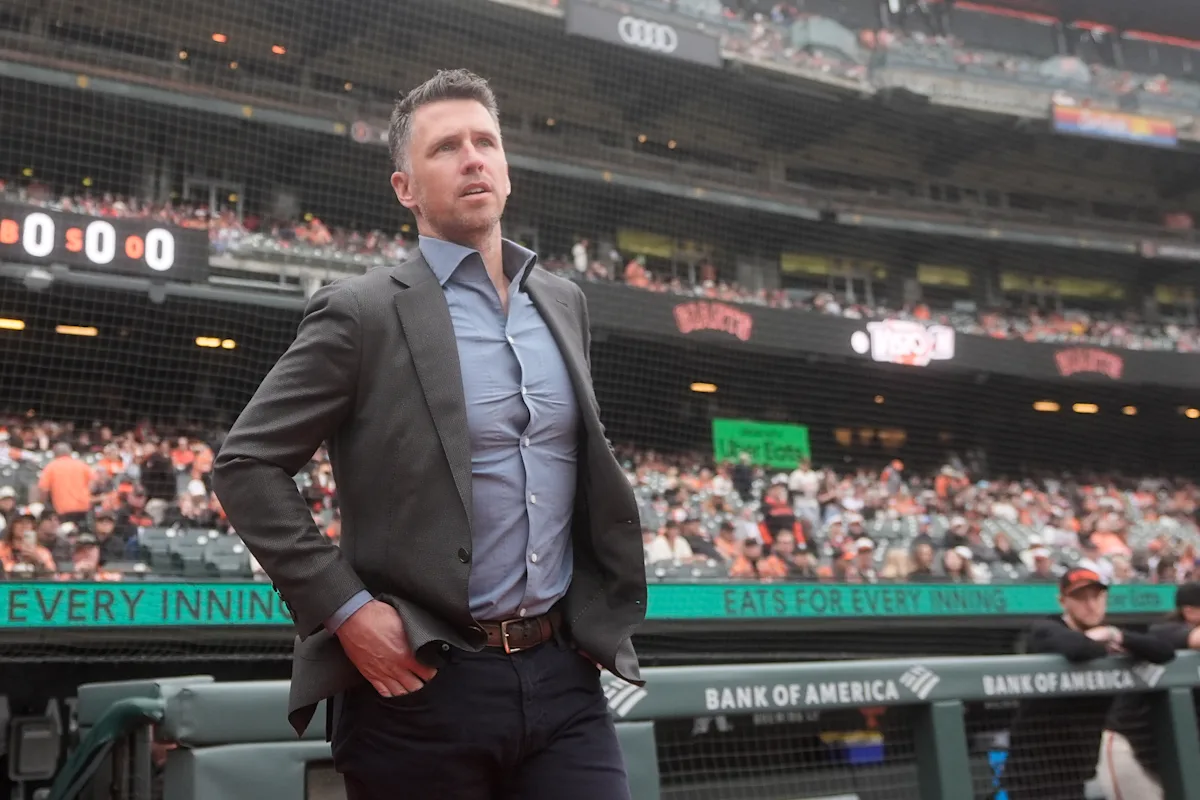
San Francisco Giants president of baseball operations Buster Posey faced intense scrutiny on Tuesday after holding a media scrum where he refused to address the team’s Pride Night controversy. During the 13-minute session, Posey stated he would only answer questions related to baseball, including the upcoming draft, the trade deadline, and infielder Rafael Devers. The response was widely condemned as inadequate and dismissive, damaging Posey’s reputation and failing to address the backlash from fans, LGBTQ+ advocates, and political figures.
The controversy originated when four Giants pitchers objected to the annual Pride Night celebration. Three players wrote Bible verses next to the rainbow-tinted logo on their caps, while one wore the club’s standard hat. Major League Baseball reprimanded the players for violating uniform protocols. The incident drew sharp criticism from fans in San Francisco, a city with a significant LGBTQ+ population, as well as political figures including Missouri Senator Josh Hawley and Vice President JD Vance, who framed the matter as an issue of religious freedom. The US Department of Justice has also indicated potential involvement.
During the media availability, Posey wore a grey, logo-less quarter-zip and sat on the dugout bench. He began with a statement noting that the organisation had already shared its response and that he would not revisit the topic out of respect for those involved. When pressed by reporters, Posey repeated his refusal to discuss the controversy, eventually appearing to look for a team public relations official to intervene. A club employee reportedly asserted that Posey had already made his statement and threatened to end the availability if questions did not shift to baseball.
Commissioner Rob Manfred attempted to shift blame to the Giants, claiming the club inadequately informed players of league guidelines. The Giants were the first MLB team to wear pride colours on the field in 2021. Posey’s institutional knowledge of the franchise and city was a key factor in his selection to helm the baseball operations department. However, his refusal to engage with the controversy was seen as a failure of leadership, particularly given the team’s current performance struggles.
The incident has sparked a broader debate about governance and institutional responsibility within Major League Baseball. While the players initiated the protest, the organisation’s handling of the aftermath has been characterised as careless. Posey’s desire to deflect attention to on-field matters was viewed as an attempt to ignore a significant cultural and political firestorm. The event has tarnished Posey’s legacy, which was previously built on likability, humility, and professionalism.
As the controversy continues to unfold, the Giants face ongoing pressure to address the concerns of their fanbase and the wider baseball community. The lack of a substantive response from the club’s highest-ranking baseball official has left many questioning the organisation’s commitment to inclusivity and effective communication. The situation remains unresolved, with political and legal implications potentially extending beyond the sport.
Posey’s approach has been described as stunning and bizarre, particularly given his history with the franchise. As a seven-time All-Star catcher, he was instrumental in the team’s success and connection with the San Francisco community. His current stance contrasts sharply with the image of a leader who understands the importance of engaging with the people who support the team. The fallout from this media scrum suggests that the Giants’ leadership may be struggling to manage the complexities of modern sports governance.