Ghana targets cashew apple waste as strategic economic resource
New preservation technology and policy shifts aim to unlock commercial value from cashew apples, though farmers remain constrained by existing export financing structures.
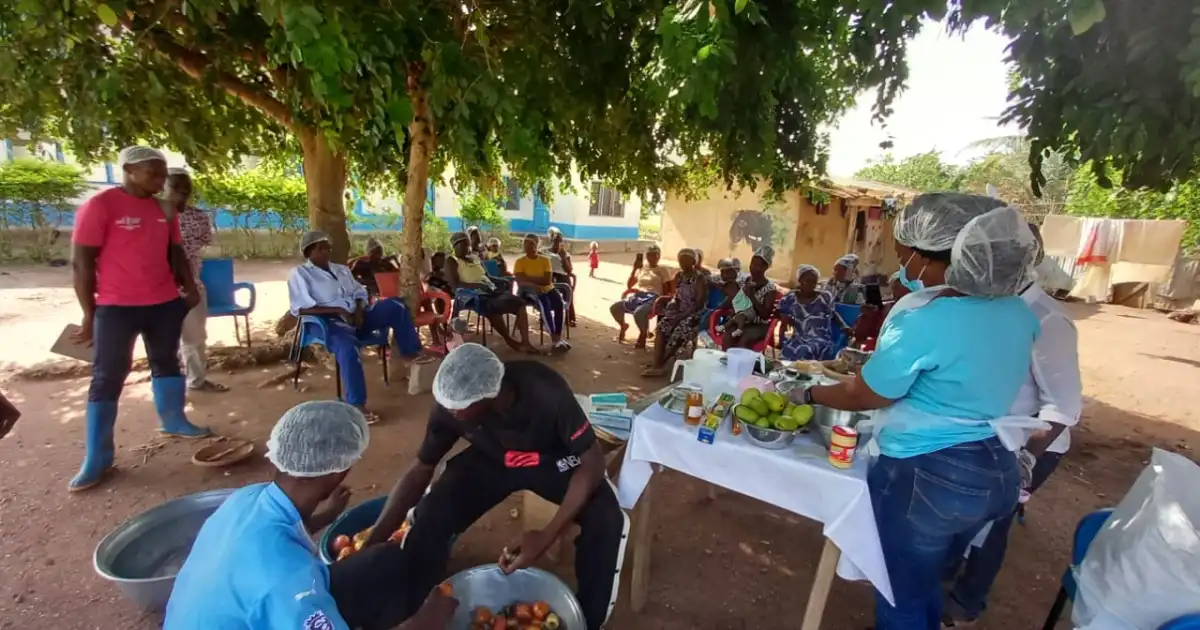
Ghana is moving to commercialise cashew apples, a fruit long discarded by farmers after the primary nut harvest, in an effort to generate additional income for rural communities. The initiative, supported by the Tree Crops Development Authority, now classifies the fruit as a strategic economic resource rather than a by-product, aiming to drive agro-industrialisation and improve rural livelihoods.
The CSIR-Food Research Institute, under the MA-CASH project, has developed preservation technology that extends the fruit’s shelf life from 24 hours to six days, facilitating transport to processing centres. Pilot projects are testing the conversion of cashew apples into juice, beverages, sausages, and bagels, while addressing challenges such as high tannin content and short shelf life.
Industry stakeholders note that previous private processing attempts failed due to supply constraints caused by farmers’ contractual obligations to foreign buyers via advance financing. Financial advisers suggest that local processing could provide farmers with additional revenue streams to repay loans, thereby improving their creditworthiness with banks.
The government believes cashew apple processing could become part of Ghana’s wider agricultural transformation agenda. Andrews Osei Okrah, Chief Executive Officer of the Tree Crops Development Authority, stated that the fruit has immense potential to contribute to Ghana’s economic growth and create jobs.
However, creating an industry requires more than producing new products. Cashew apple juice and other products must compete with established beverages and convince consumers that a fruit once treated as waste has commercial value. The push to develop a cashew apple economy comes as Ghana searches for ways to diversify agricultural income.