Ghana parliament re-approves legislation criminalising LGBTQ activities
The 'law on sexual rights and family values' imposes prison terms for promotion of LGBTQ activities and homosexual relations, with exemptions for professional service providers.
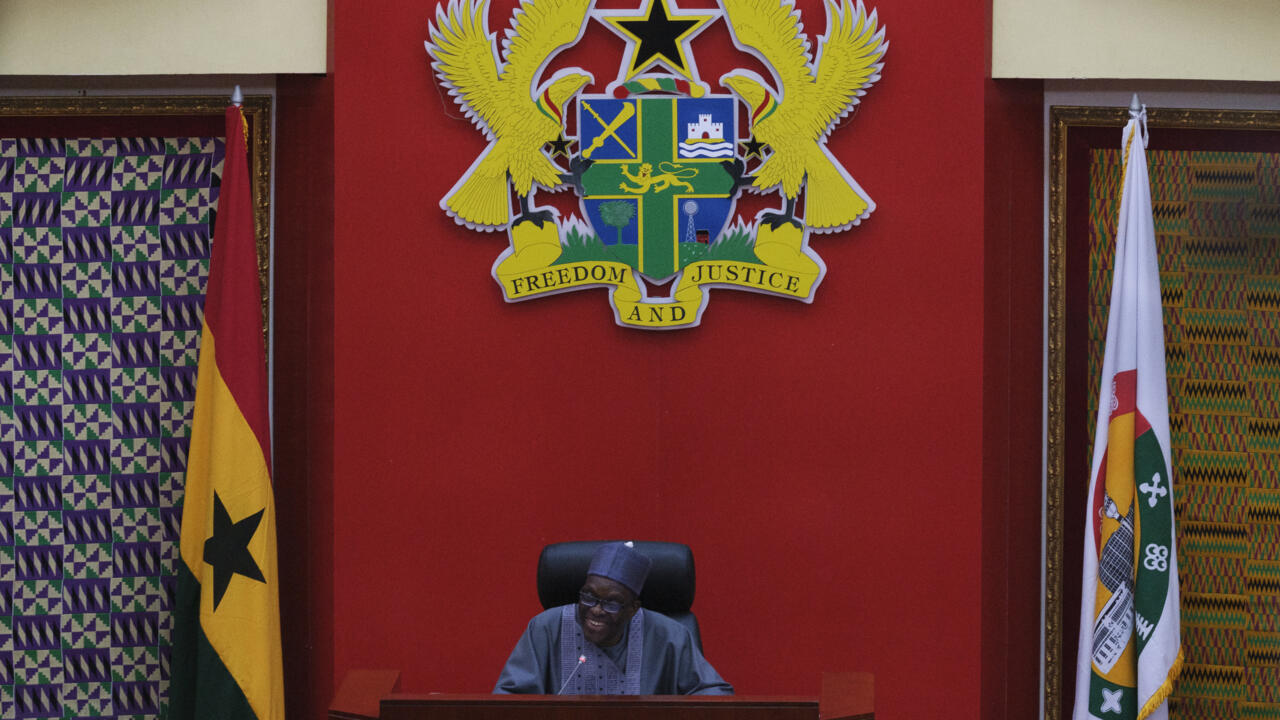
Ghana’s parliament has approved legislation that criminalises the promotion, sponsorship, or intentional support of LGBTQ activities, carrying penalties of three to five years’ imprisonment. The bill, formally titled the 'law on sexual rights and family values', also imposes up to three years’ imprisonment for individuals engaging in homosexual relations. The legislation is now awaiting ratification by President John Mahama.
The law has been characterised by reporting outlets as one of the most repressive anti-LGBTQ measures in Africa. It introduces specific criminal liabilities for third-party support of LGBTQ activities, a provision that distinguishes it from existing statutes. The bill retains the core provisions of a version passed unanimously by parliament in 2024, but includes new exemptions for legal, media, and healthcare professionals.
The legislative process for this bill was interrupted under the previous administration. Former president Nana Akufo-Addo did not sign the bill into law before the end of the parliamentary term. Under Ghana’s constitution, draft legislation not signed by the president before the conclusion of a term automatically lapses, necessitating re-examination by the newly elected parliament.
President Mahama has previously articulated his stance on the issue. In February 2025, he stated that he believes in the principles that only two genders exist and that marriage is between a man and a woman. His administration’s handling of the bill follows this public positioning, with the legislation now pending his final signature.
Same-sex relationships are already prohibited in Ghana under a law dating from the British colonial era. However, reports indicate there have been no prosecutions on these grounds to date. Ghana remains a conservative, deeply religious country with a Christian majority, where social and political attitudes often align with traditional family values interpretations.
The final legal status of the law remains pending until President Mahama signs it. Uncertainty remains regarding how the exemptions for legal, media, and healthcare professionals will be interpreted or enforced in practice once the law is enacted.