Ghana Parliament Approves Community Service Bill to Tackle Prison Congestion
The Community Service Bill, 2026, awaits presidential assent and secondary legislation before it can be implemented as a structural alternative to incarceration.
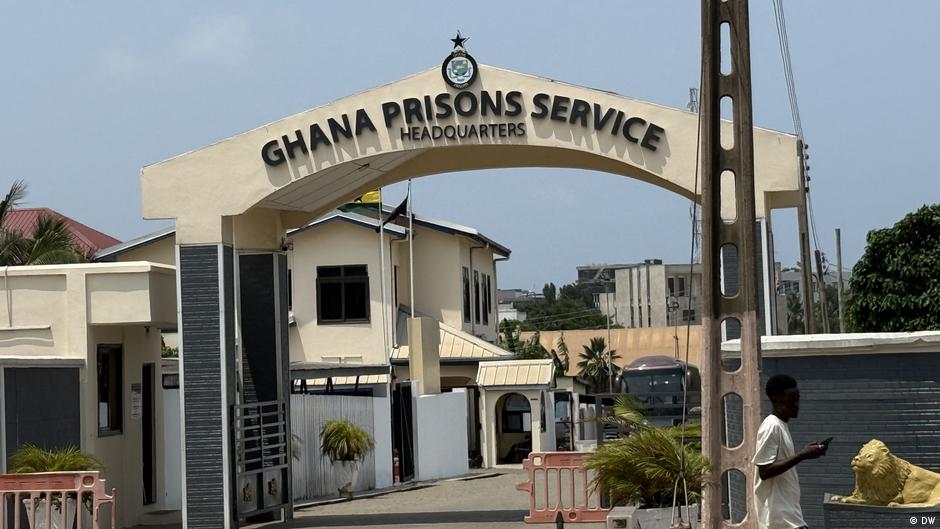
Ghana’s Parliament has passed the Community Service Bill, 2026, establishing a legislative framework that allows courts to impose community service as an alternative to custodial sentences for minor offences. The legislation, tabled by Interior Minister Muntaka Mubarak, aims to alleviate chronic overcrowding in the nation’s prisons, which currently operate at more than 37 per cent capacity with a population exceeding 13,000 inmates.
Minister Mubarak highlighted the significant fiscal burden associated with the current incarceration model during parliamentary debates. He noted that the cost of feeding prisoners alone amounts to 10 million cedis (€752,000, $859,000) per quarter. The new law seeks to mitigate these expenses while addressing the systemic congestion that has plagued the justice sector for years.
Under the provisions of the bill, community service applies to offences punishable by up to three years’ imprisonment, as well as those carrying fines alone or in combination with imprisonment. This scope encompasses petty crimes such as false publication and traffic violations. However, the legislation explicitly excludes second-degree felonies, including breaking and entering, a limitation that some observers argue may restrict the bill’s broader reform potential.
To ensure appropriate application, the bill mandates the production of social inquiry reports to assess an offender’s suitability for non-custodial sentencing. Legal practitioner Christian Malm Hesse described the measure as a step in the right direction, emphasizing that these reports provide judges with necessary background data to make informed and consistent sentencing decisions. The legislation also establishes a National Community Service Secretariat to oversee the administration of the scheme.
The policy process began in 2014, initiated by the Ministry of the Interior with support from UNICEF, aligning Ghana with a regional trend of non-custodial sentencing adopted by countries such as Nigeria, Kenya, and Zimbabwe. While the bill has cleared Parliament, it remains pending presidential assent from President John Dramani Mahama and the creation of secondary legislation, known as a Legislative Instrument, before it can take effect.