Ghana abandons US$109 million bilateral health pact citing data sovereignty and legal violations
The collapse of negotiations highlights growing African resistance to bilateral agreements that undermine domestic legislation and national autonomy in public health governance.
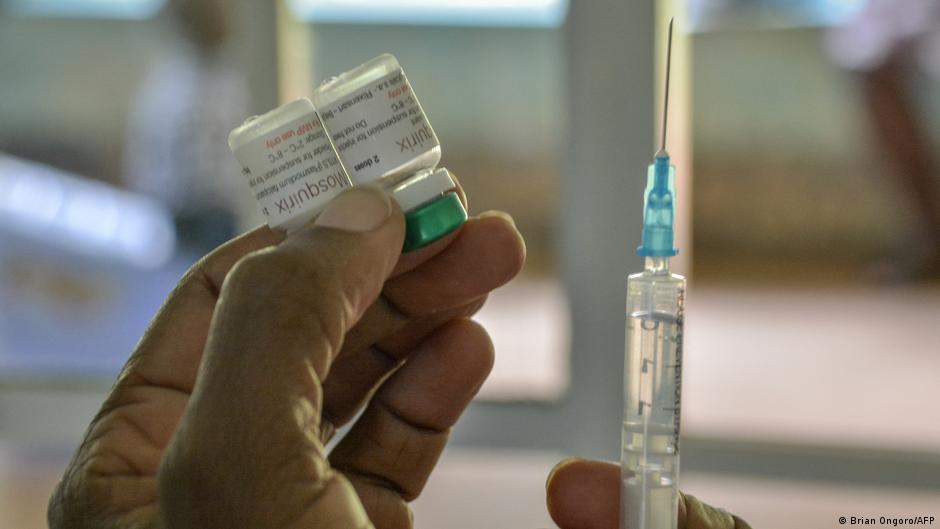
Ghanaian officials have terminated discussions regarding a proposed bilateral healthcare agreement with the United States, valuing approximately US$109 million. The deal, which emerged from the Trump Administration's "America First" strategy, was abandoned after Accra determined that the terms violated fundamental principles of health sovereignty and domestic law.
The primary objection centred on the requirement for Ghana to waive its authority over sensitive health data and decision-making processes, effectively transferring control to US authorities. Government sources indicated that such a transfer would contravene existing legislation, specifically the Data Protection Act and the Public Health Act, which mandate the protection of personal information and national health governance.
Negotiations reportedly deteriorated as US representatives allegedly applied significant pressure on the issue of personal data sharing. When Ghanaian officials pushed back against these demands, the atmosphere became hostile, leading the government to declare the arrangement dead. A key constitutional hurdle remained unresolved, as the proposed agreement would have required Ghana to bypass the mandatory parliamentary ratification process for bilateral treaties.
The financial terms of the offer also drew criticism, with the US$109 million figure representing a stark contrast to similar proposals advanced for other nations. Comparable deals previously floated for Kenya and Nigeria were valued at US$2.5 billion and US$2.1 billion respectively, raising questions regarding the prioritisation of funding within the broader "America First Global Health Strategy".
This development occurs against a backdrop of shifting US development policy, where the dismantling of USAID in 2025 has reduced available multilateral aid. Consequently, the administration has pivoted toward bilateral mechanisms intended to shift funding responsibility for health commodities and services onto recipient countries. However, this approach has met with resistance across the continent, with Zimbabwe recently rejecting a similar proposal and a deal with Zambia stalling following demands for access to mineral rights and data.
While Kenya initially signed a comparable agreement in December 2025, its courts subsequently suspended the pact due to concerns over personal data protection. In contrast, Germany continues to champion multilateral institutions such as the World Health Organization, with officials in Nairobi emphasising the importance of reliable partnerships that respect national sovereignty and legal frameworks.