Germany and Kosovo expand monitoring of virus-carrying Hyalomma ticks
Scientists say serious Crimean-Congo haemorrhagic fever infections in Kosovo have fallen, while warning that infected ticks could spread further across Europe.
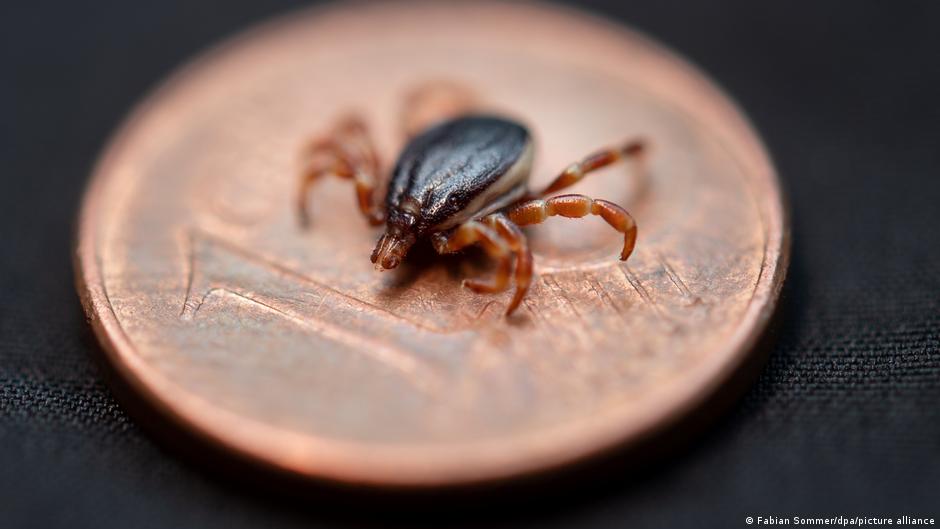
German and Kosovar scientists are working together to monitor Hyalomma ticks, investigate Crimean-Congo haemorrhagic fever and strengthen public awareness of the disease. The partnership brings together Germany’s Bernhard Nocht Institute for Tropical Medicine and the University of Pristina.
The collaboration began in 2009, when German researchers provided diagnostic expertise and resources to counterparts in Kosovo, which lacked high-security laboratory capacity. Joint work received funding through Germany’s Biosecurity Program from 2013.
Researchers have collected thousands of ticks and conducted blood studies in humans and animals to identify evidence of past infection. They have also worked with schools and farming communities on prevention. Advice includes using tick repellents, wearing long clothing and sturdy shoes, and avoiding contact between infected animal blood and open skin.
Hyalomma ticks do not all carry the virus, and most people bitten by one do not become ill. But Crimean-Congo haemorrhagic fever can cause severe illness, including bleeding and organ failure. There is no widely available vaccine or specific treatment, while the antiviral drug ribavirin is described by researchers as having limited effectiveness in acutely ill patients.
Kosovo recorded about five serious infections in the past decade, compared with about 100 in the preceding decade. The researchers regard the decline as evidence of the partnership’s success, although the figures do not establish that the cooperation directly caused the reduction.
The scientists say further spread remains possible. Hyalomma ticks carrying the virus have been detected in France, although no human infections have been reported there. German and Kosovar researchers are sharing their experience with countries including Macedonia and Albania.