German Vice Chancellor rejects US guidance on Iran conflict, blames Trump for economic fallout
Speaking at a Labor Day event, the Social Democrat finance minister asserted that Germany does not require American advice on the war, citing rising fuel prices and a lack of clear strategy as key concerns.
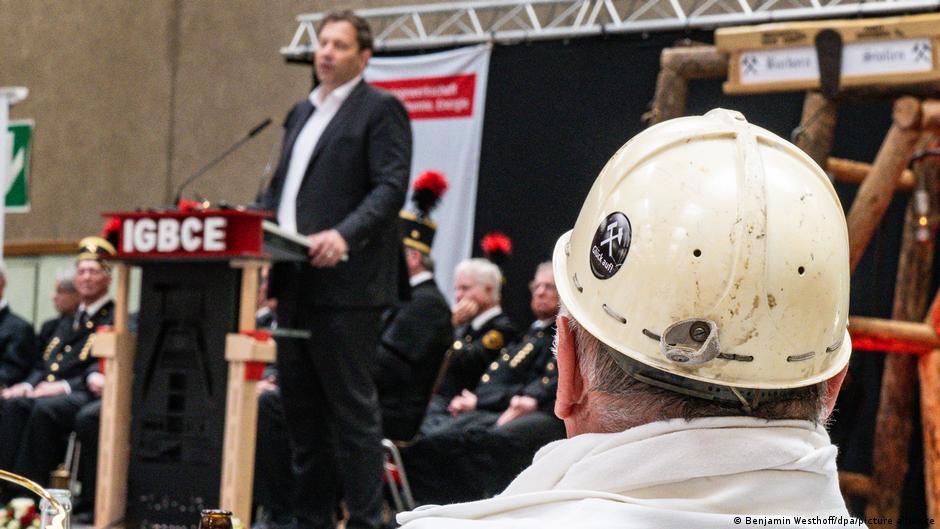
German Vice Chancellor and Finance Minister Lars Klingbeil has publicly defended Chancellor Friedrich Merz against sharp criticism from US President Donald Trump regarding the ongoing conflict in Iran. Addressing a Labor Day event in Bergkamen, Klingbeil stated that Germany does not require advice from the US President, asserting instead that Trump bears responsibility for the current state of the war and the resulting economic fallout.
The comments mark a significant public defence of Merz by his coalition partner, the Social Democrats, against direct criticism from the US leader. Klingbeil linked the US President's handling of the Iran conflict directly to rising fuel prices and the economic burdens placed on German workers and businesses. He characterised Trump's approach as naive, suggesting the US President underestimated the duration and complexity of the conflict, noting that Trump appeared to believe the situation could be resolved in merely two or three days.
Klingbeil urged Trump to prioritise securing peace talks in Iran rather than offering guidance, stating that the US President should see the mess he has made. The vice chancellor emphasised the necessity for Europe to maintain economic strength to avoid being blackmailed by external powers. He specifically cited dependence on Trump's mood as a risk to be avoided, insisting that Europe must not let itself be dependent on what mood Donald Trump is in today or tomorrow.
This diplomatic friction follows escalating tensions between the two leaders, triggered by European criticism of the US strategy in the Iran conflict which began on 28 February. Chancellor Merz had previously accused the US administration of entering the conflict without a clear strategy and warned that Iran was humiliating Washington in negotiations. In response to Merz's stance, Trump has threatened to reduce US troop levels in Germany, Italy, and Spain, while also urging Merz to focus on domestic issues such as immigration and the Russia-Ukraine war.
Despite the public spat, Merz has insisted that his personal relationship with Trump remains strong. However, political dynamics within the German coalition are noted, as Klingbeil and Merz are not always aligned politically, yet Klingbeil chose to back his colleague in this instance. Klingbeil emphasised that his remarks were made especially in light of the last few days when Trump has been criticising the German government and the chancellor.
The dispute highlights a broader divergence in transatlantic policy, with the German government arguing that their nation does not need tips from the US on how to manage the war. Klingbeil's remarks underscore a growing insistence on European strategic autonomy and economic resilience in the face of what he describes as American unilateralism and strategic confusion.