German state elections put fresh pressure on Friedrich Merz
Voting in Berlin and Mecklenburg-Western Pomerania could deepen pressure on the chancellor, his CDU and the governing coalition.
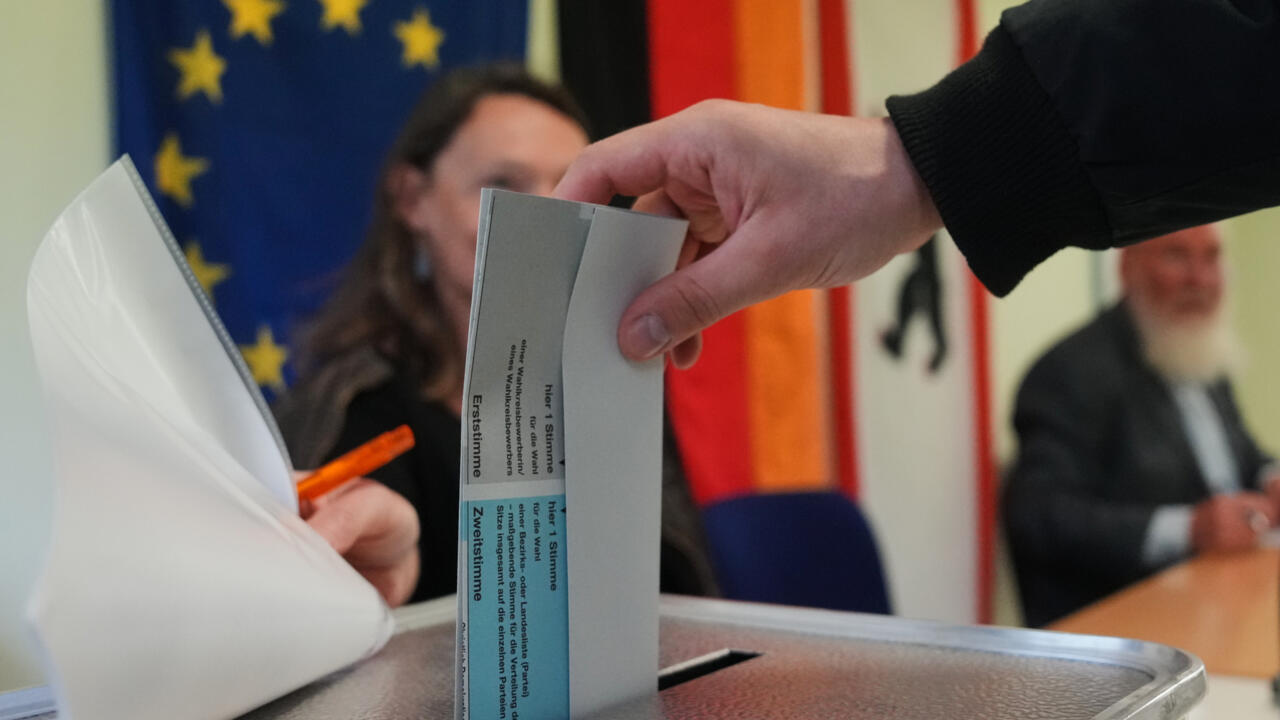
Germans are voting in state elections that could further test Chancellor Friedrich Merz’s authority, with the CDU facing a close contest in Berlin and the risk of falling below the parliamentary threshold in Mecklenburg-Western Pomerania.
Polling stations opened at 8am local time and were due to close at 6pm. Merz has scheduled a crisis meeting of the CDU leadership to discuss initial results and cancelled a planned trip to the UN General Assembly.
In Mecklenburg-Western Pomerania, the Alternative for Germany (AfD) was polling at 36 per cent against 37 per cent for the Social Democratic Party, according to figures cited by France 24. The CDU was on 6 per cent, close to the 5 per cent threshold required to remain in the state parliament.
In Berlin, the CDU and far-left Die Linke were running a close race, according to the report. A poor result for Merz’s party in either state would add to pressure that has grown since the AfD recently defeated the CDU in Saxony-Anhalt.
Eight CDU state premiers have called for “stability” but stopped short of personally endorsing Merz. His coalition has struggled to advance promised economic and welfare reforms, while international conflicts, energy costs, military rearmament and competition from China have added to economic pressure.
Merz’s approval rating was reported at about 13 per cent in a September Infratest Dimap survey, described as the lowest recorded for an incumbent chancellor by the pollster. The state election figures are polling estimates, not final results, and their effect on Merz’s position or the governing coalition remains uncertain.