Geopolitical friction and institutional shifts drive volatility in global oil markets
Market analysts warn that the combination of supply fears and a major member withdrawal could destabilise the region's economic balance
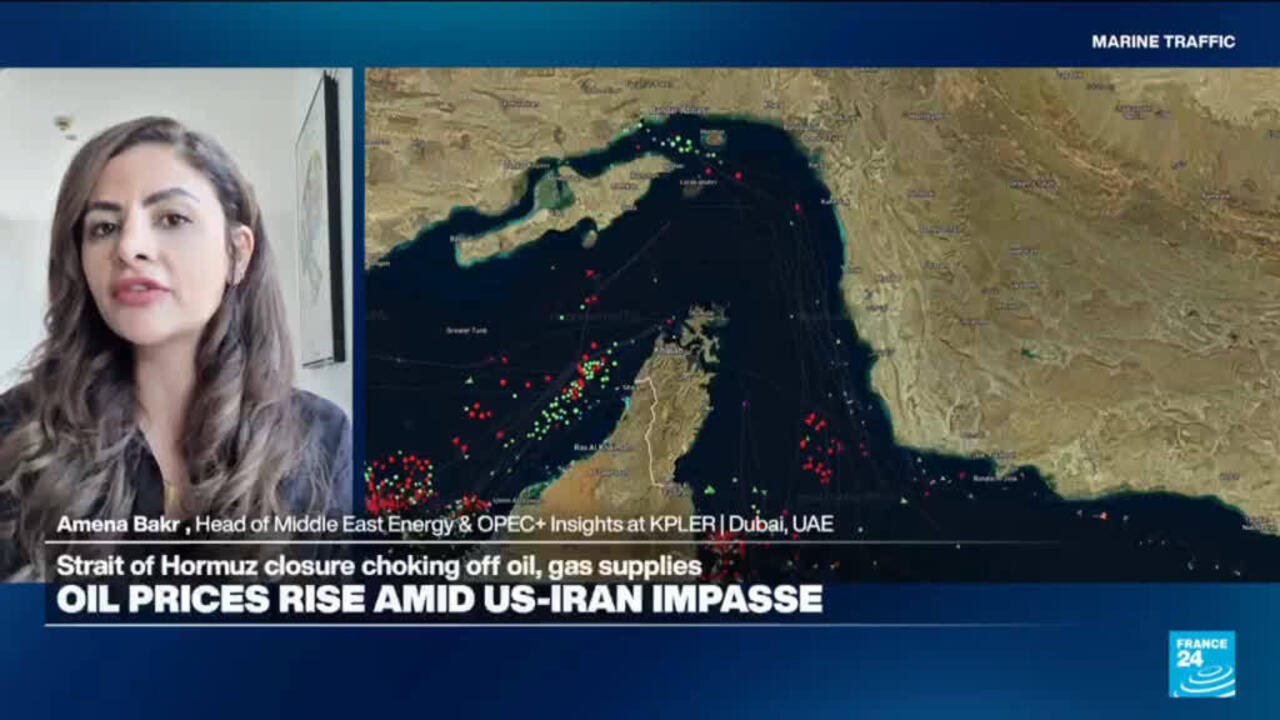
Global oil prices retreated slightly on Friday following a surge to a four-year high of over $126 per barrel recorded the previous day. The volatility in the market is primarily attributed to fears that a prolonged conflict involving the United States and Iran could exacerbate global supply shortages, tightening existing supply chains.
While the immediate market reaction saw a modest easing, the underlying drivers remain rooted in the geopolitical impasse between Washington and Tehran. Historical precedents suggest that such conflicts have previously disrupted oil logistics, creating significant uncertainty for corporate earnings of major energy firms.
In related developments, the United Arab Emirates is set to formally exit OPEC. This departure is viewed as an unexpected move that could alter the regional economic landscape and disrupt the balance maintained by the organisation. The specific timeline and formal procedures for this withdrawal remain unclear in current reporting.
Amena Bakr, Head of Middle East Energy and OPEC Insights at KPLER, has provided analysis regarding the potential economic impacts of the UAE's departure. Her insights highlight the fragility of global energy supply chains in the face of such geopolitical instability.
The situation underscores the complex interplay between regional security dynamics and international economic governance. As the US-Iran situation remains unresolved, the outlook for oil shipment logistics and future market dynamics is expected to remain uncertain.