Genomic analysis links Texas and Utah measles outbreaks, challenging US elimination status
Findings complicate efforts to retain measles-free designation as the Pan American Health Organization review is postponed to November.
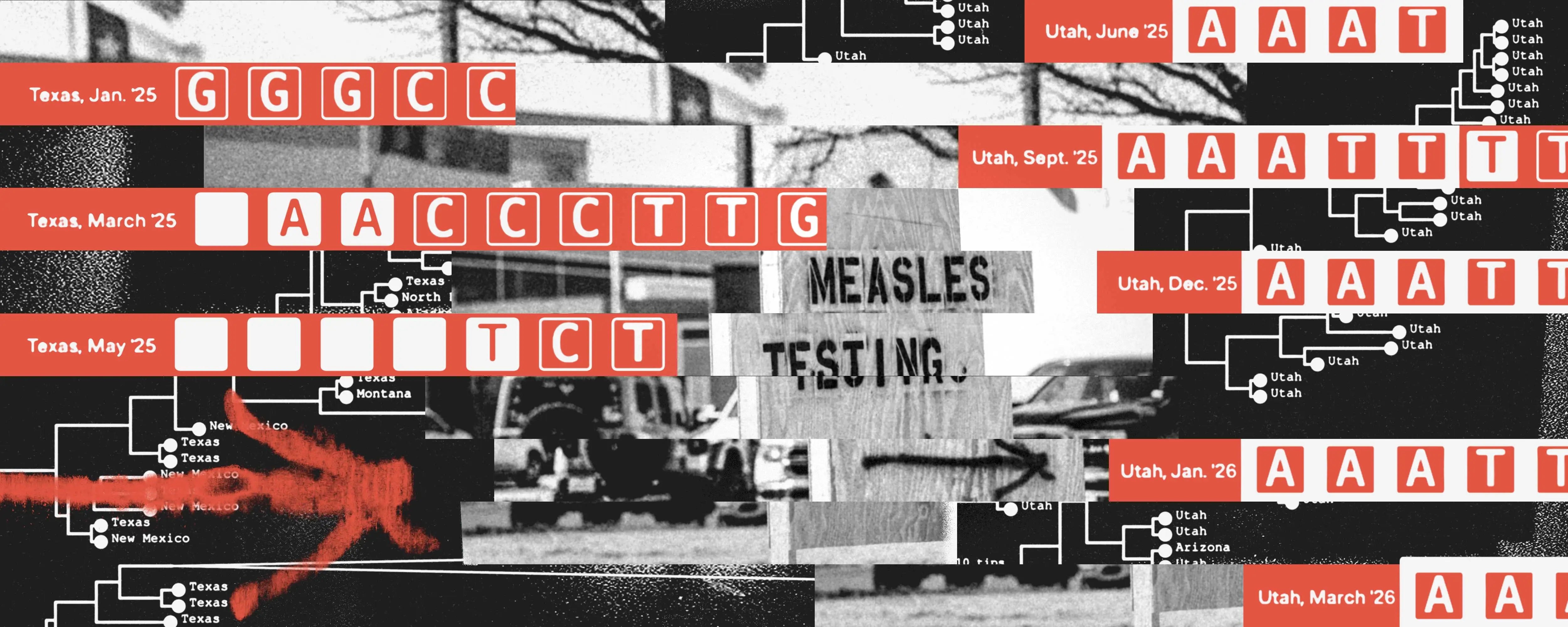
A ProPublica analysis of more than 1,800 whole genome sequences indicates that the measles virus circulating in Utah in May 2026 is genetically nearly identical to the strain that caused outbreaks in Texas in January 2025. The genetic continuity suggests sustained person-to-person transmission within the United States for over a year, directly challenging the nation’s official status as measles-free.
The findings significantly complicate the case the US must present to the Pan American Health Organization (PAHO) to retain its elimination designation. The review of the US status has been postponed to November, giving officials additional time to investigate how the virus spread. Canada lost its measles-free status last year, raising the stakes for American health authorities.
ProPublica compared the genetic fingerprints of the viruses and found that out of nearly 16,000 genetic letters in each sequence, only 12 differed between the original Texas virus and the Utah virus sampled more than a year later. These mutations appeared incrementally as the virus spread, forming a distinct pattern that was also present in sequences from Iowa, North Dakota, Minnesota, and Alaska.
The outbreak has unfolded under the Trump administration, with Health Secretary Robert F. Kennedy Jr. expressing scepticism regarding vaccine safety. Experts warn that this stance undermines public confidence and immunisation efforts, noting that the administration has not followed the playbook of previous leaders who urged vaccination with unwavering language.
While the genomic data does not definitively prove endemic spread, it makes it difficult for the US to argue that the Utah cases were sparked by a new introduction from abroad. The CDC stated that sequencing alone cannot determine whether transmission has been continuous, but the genetic evidence presents a significant hurdle for officials seeking to maintain the country’s measles-free distinction.