Geneva peace roadmap for DRC and M23 rebels faces implementation hurdles
A new framework agreed in Geneva builds on a US-brokered deal to monitor a ceasefire in eastern Congo, but analysts warn that disagreements over sanctions and Rwanda’s role remain significant obstacles.
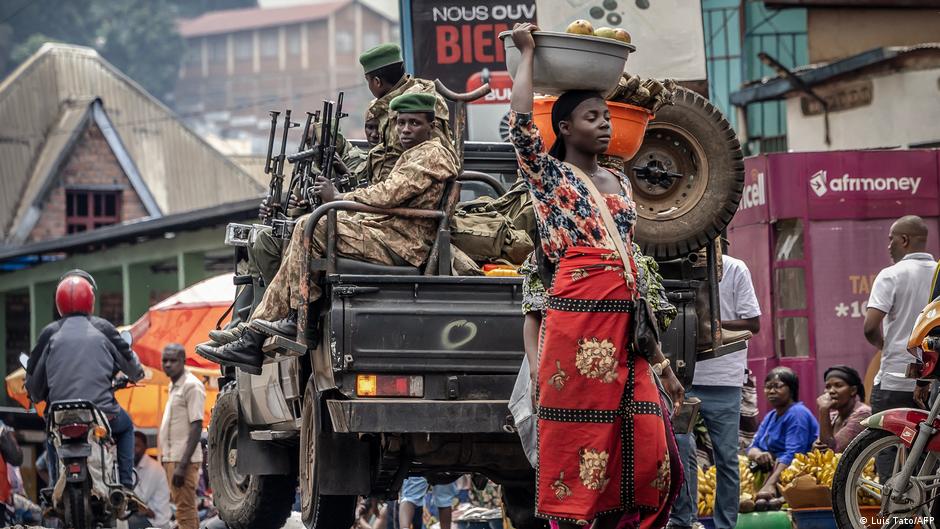
Representatives of the Democratic Republic of Congo government and the M23 rebel group have agreed on a peace roadmap following negotiations in Geneva. The agreement builds on a US-brokered framework previously signed in Doha and outlines specific steps and timelines for negotiations and implementation. A key component of the plan involves a ceasefire monitoring mechanism supported by the United Nations peacekeeping mission, MONUSCO.
The diplomatic process has attracted backing from the United States, Qatar, the African Union, and Switzerland, who have all expressed support as brokers of the peace push. However, the new initiative is not a full peace plan with binding resolutions. Many aspects of the agreement still require fine-tuning, leaving significant room for interpretation and potential dispute as the parties move towards implementation.
The conflict in eastern DRC has persisted since 2022, when the M23 rebel group began controlling large parts of North Kivu and South Kivu provinces. These regions are highly coveted for their mineral wealth, and the fighting has resulted in hundreds of civilian deaths and the displacement of millions. Despite the fresh hope offered by the Geneva roadmap, doubts remain over the prospect of a lasting peace due to unresolved key issues.
Alex Vines, Africa program director at the European Council on Foreign Relations, described the current level of commitment as fragile. He noted that disagreements remain over sanctions against M23, the release of detainees, and the timing of political reforms. Clifton Chifuwe, executive director of the Centre for Peace Research and Advocacy, agreed, pointing to the presence of multiple armed groups and deep mistrust between Kinshasa and Kigali.
Rwanda’s role remains central to the process. President Paul Kagame rejected accusations that his country backs the M23 rebels, instead citing the Democratic Forces for the Liberation of Rwanda, or FDLR, as a longstanding security threat. Speaking on 24 August, Kagame stated that if the FDLR problem is not resolved, Rwanda would act to protect itself at any cost. This stance complicates the diplomatic landscape, as international groups maintain that the neighbouring nation is deeply entrenched in the conflict.
While the roadmap focuses on a sequenced implementation plan with monitoring initiatives to identify warning signs, the ultimate test will be the results for displaced civilians. For refugees such as Linda Kasongo, who has been in Zambia for five years, the diplomatic language carries personal weight as she hopes to return home. Chifuwe emphasised that the restoration of state authority and the management of mineral resources are key objectives that must be achieved for the peace to hold.