Gender parity gains remain fragile as political progress reverses
The WEF says global gender parity has reached 69.2%, but closing the remaining gap could take 120 years at the current pace.
Global progress towards gender parity remains fragile, with the remaining gap potentially taking 120 years to close, according to the World Economic Forum’s 2026 Global Gender Gap Report.
The report assesses workforce participation, education, health and politics across 145 economies. It places global gender parity at 69.2%, while warning that progress has not been consistent across countries or sectors.
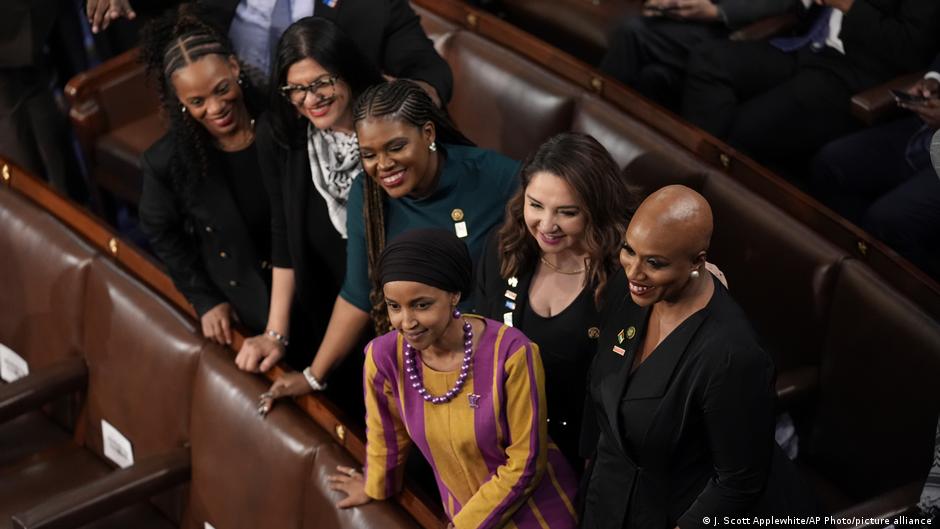
Women’s representation in senior government and business roles is higher than when the index began in 2006. However, the WEF says the proportion of countries led by women peaked in 2022 and has since fallen back to 2016 levels.
Women remain underrepresented in positions with significant economic and political influence. They hold fewer than one-fifth of chief executive roles, while fewer than one in five artificial intelligence engineers are women. The report also says women occupy only a small share of high-influence ministerial positions.
Iceland has led the ranking for the 17th consecutive year, with Finland and Norway next. Namibia ranks fourth, the United Kingdom fifth and Australia eighth. The United States fell five places to 47th, while China rose seven places to 96th.
The WEF said parity was a foundation for growth and competitiveness but was not inevitable, urging governments and employers to apply effective policies more quickly. Its 120-year estimate is a projection based on the current pace of progress.