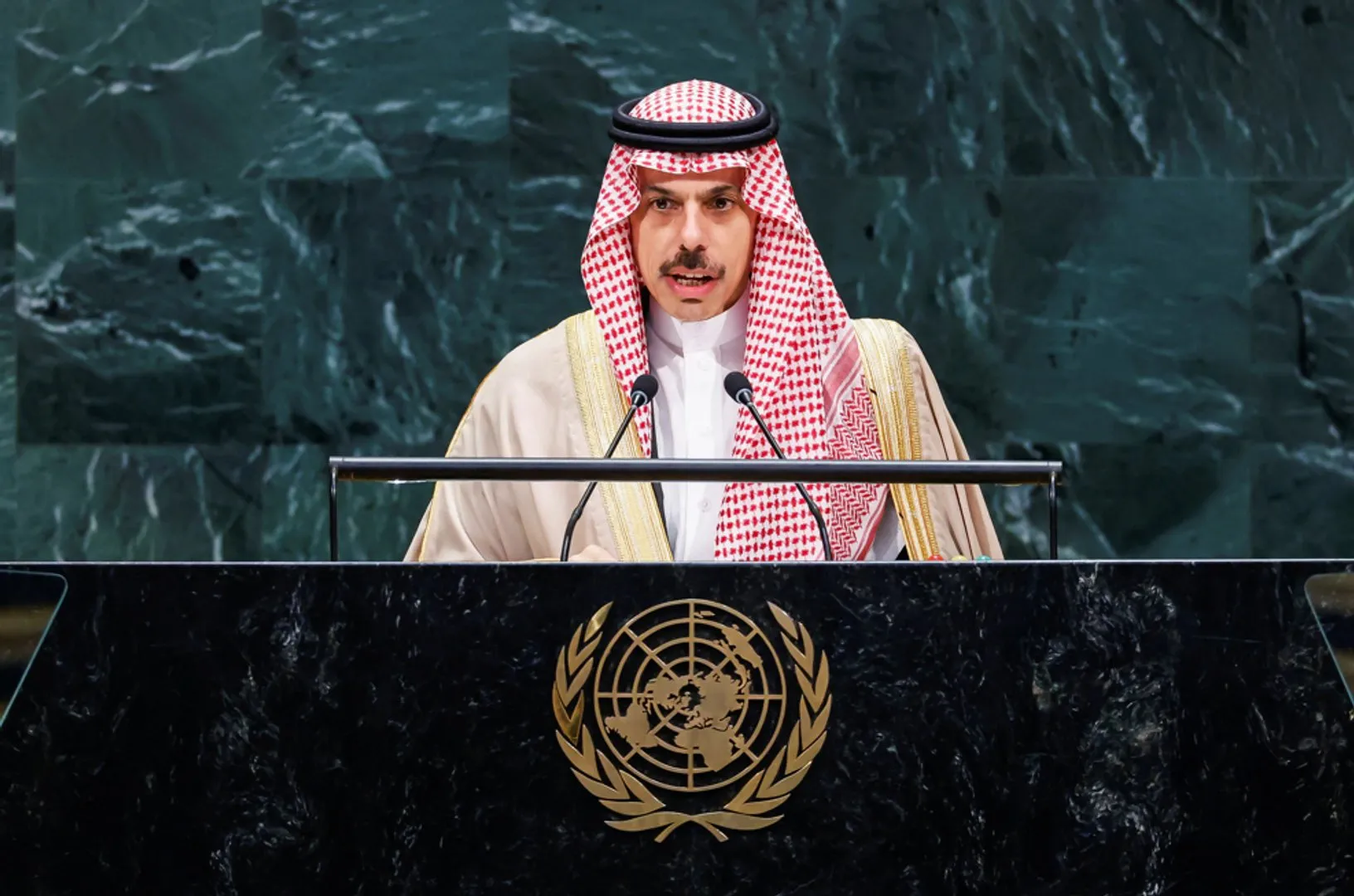
GCC Secretary-General condemns Iranian strikes on civilian infrastructure as war crimes
Amid escalating military exchanges in the Gulf, the Gulf Cooperation Council has labelled Iranian attacks on civilian sites in Bahrain, Kuwait, and Jordan as war crimes, while diplomatic efforts intensify in Washington.
The Gulf Cooperation Council (GCC) has formally condemned Iranian attacks on civilian infrastructure in Bahrain, Kuwait, and Jordan, with Secretary-General Jasem Mohamed Albudaiwi describing the actions as war crimes. The statement follows Kuwait’s accusation that Tehran targeted vital national sites, including an oil facility and a power and water plant, causing significant material damage and injuries to emergency responders.
Kuwait’s state news agency reported that the Kuwait Petroleum Corporation confirmed repeated Iranian attacks on one of its oil facilities, resulting in injuries to workers. Concurrently, the Kuwait fire service stated that fires erupted at two separate locations, including a power and water desalination plant, after an attack was reported. The Electricity, Water and Renewable Energy Ministry confirmed that several power generation units were shut down as efforts continued to contain the fires and carry out repairs.
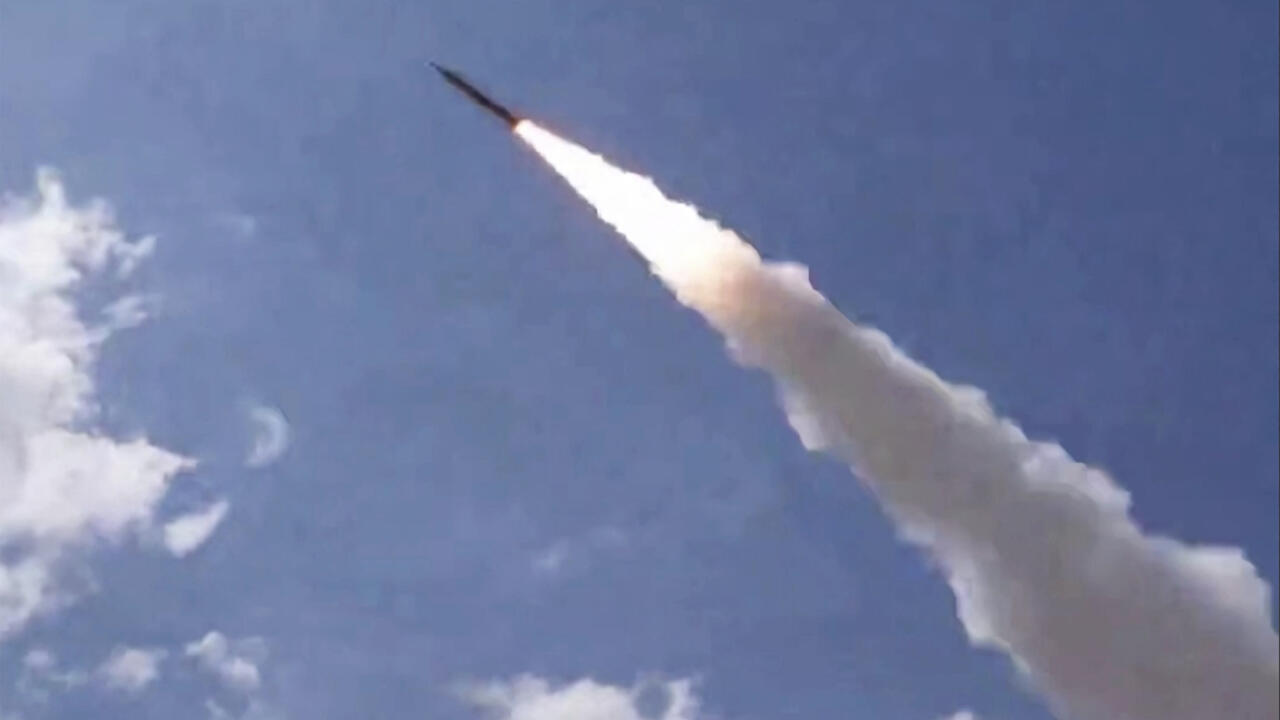
The diplomatic and military escalation coincides with the United States launching its seventh consecutive night of strikes on Iranian military infrastructure. US Central Command (CENTCOM) reported that the overnight operations targeted surveillance sites, military logistics infrastructure, underground weapons storage, and maritime capabilities. CENTCOM stated that American forces had concluded the strikes, which US media suggest are part of preparations for potential further escalation against Tehran.
In response to the US operations, Iran’s Islamic Revolutionary Guard Corps (IRGC) claimed to have targeted US assets in the region. State media reported that the Guards struck a site for US combat aircraft at Sheikh Isa Air Base and an intelligence data centre in Bahrain, as well as a naval fuel-support pier and a signals centre in Kuwait. Iran’s army also stated it had struck US military targets in Kuwait and Jordan and a base in Bahrain.
Amidst the heightened security environment, Kuwait International Airport temporarily suspended operations, prompting Kuwait Airways to reschedule most flights due to the closure of Kuwaiti airspace. Meanwhile, Lebanese President Joseph Aoun departed for Washington to discuss the ceasefire in Lebanon with US officials, including Donald Trump. Aoun’s visit follows talks between Lebanon and Israel in Italy, with the presidency stating the discussions would focus on strengthening the ceasefire and the withdrawal of Israeli forces from occupied Lebanese regions.
The conflict has also resulted in casualties within Iran. State news agency IRNA reported that US attacks killed three people and wounded eight in the southern province of Hormozgan. Additionally, five explosions were heard in the central city of Yazd, with further blasts reported in southern provinces. On a separate domestic front, Iran’s judiciary reported the execution of a man convicted of killing a security force member during unrest related to the 2022 death of Mahsa Jina Amini.
In Lebanon, the Lebanese army reported that a soldier was killed and two others wounded when a suspicious object exploded in an army vehicle in the southern town of Mansouri. The army stated it was continuing to investigate the incident. While the IRGC claimed that two oil tankers in the Strait of Hormuz struck mines directed by "deceptive American intelligence agencies," CENTCOM issued a denial, describing the claim as false.