Gaza’s livestock sector decimated as Eid al-Adha rituals collapse under siege
With over 90 per cent of farms destroyed and sheep prices soaring to thousands of dollars, displaced Palestinians face a third Eid without the customary rites of sacrifice or pilgrimage.
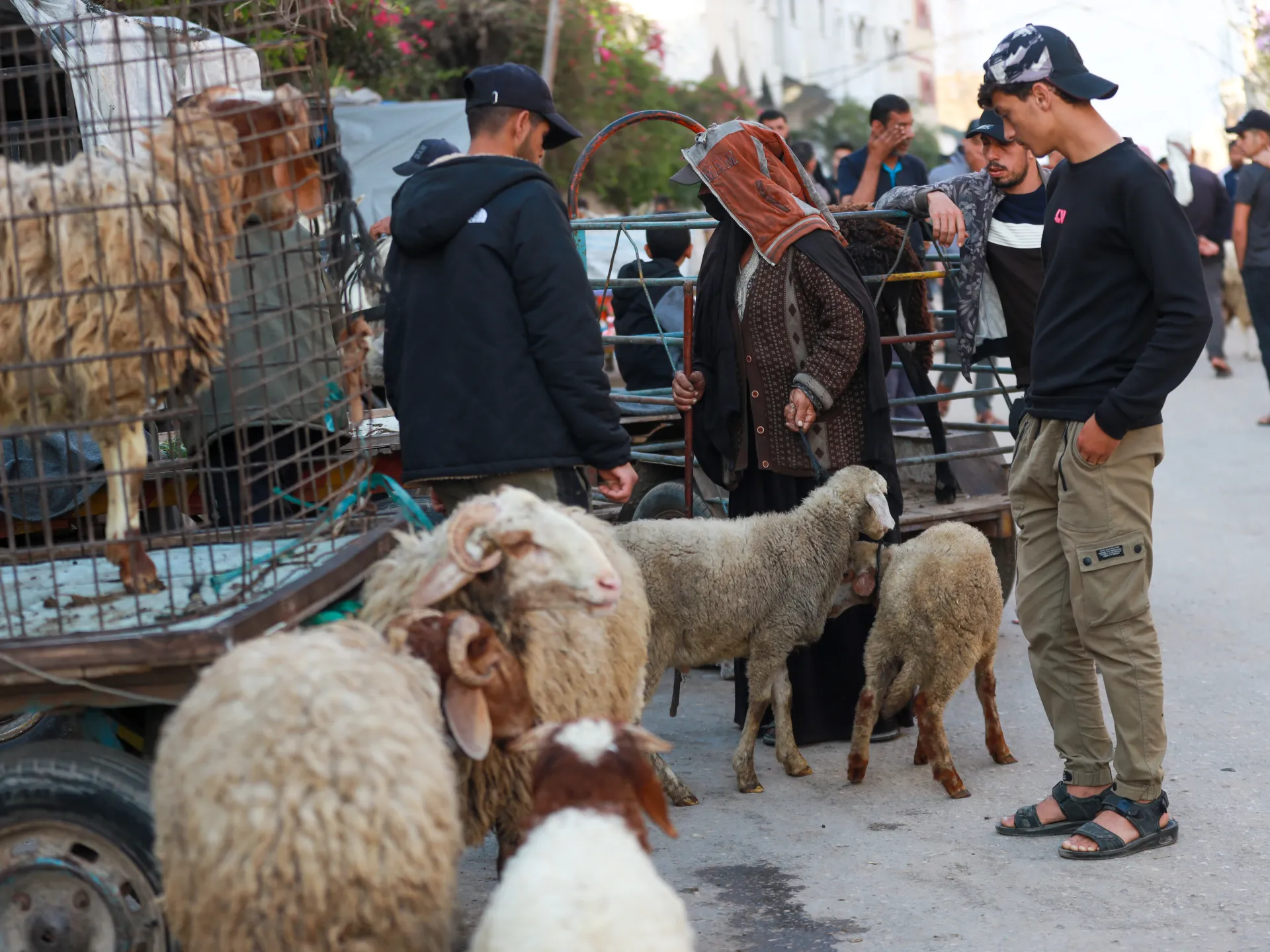
Palestinians in Gaza are marking their third Eid al-Adha under conditions of severe war devastation and economic collapse, with traditional religious rituals largely unfeasible due to Israeli restrictions and the destruction of the local livestock sector. The Israeli siege has effectively eliminated the possibility of the customary animal sacrifice for most families, while movement bans have prevented residents from departing for the Hajj pilgrimage.
Gaza’s Chamber of Commerce and Industry reports that more than 90 per cent of livestock farms have been destroyed or damaged since the conflict began in October 2023. Compounding the domestic shortage, Israel has blocked the entry of live animals into the enclave. Consequently, the price of a 50-kilogramme sheep has surged from approximately 400 to 500 Jordanian dinars ($560–$700) before the war to between 16,000 and 17,000 shekels ($4,400–$4,700) currently. Some reports indicate prices reaching as high as $6,000, placing the ritual well beyond the financial reach of most residents.
The economic hardship has forced families to abandon traditional feasting and gift-giving. Emad Suhweil, a displaced father from Beit Lahiya, noted that basic necessities such as vegetables are now the primary concern, rendering the thought of sacrificing an animal irrelevant for many. He described a situation where families cannot afford new clothing for children and are forced to stand in aid queues, feeling disconnected from standard religious observances.
Religious obligations tied to the festival are similarly suspended. Israeli restrictions on exit points mean that for a third consecutive year, no pilgrims are departing Gaza for the Hajj. I’tidal Hamdan, 68, who lost her husband and several family members in strikes, had hoped to fulfil a lifelong dream of performing the pilgrimage with him. Instead, she remains in a tent in Gaza City, clinging to hope for a future peace that would allow her to eventually visit the Kaaba.
Displaced residents report losing not only family members but also basic provisions and the social structures that defined previous celebrations. Intisar Awda, who lost her daughter and saw her grandchildren scattered, described a shift from joyous gatherings to a state of endurance. While alternatives such as canned or frozen meat are being considered for the sacrifice, the overarching reality is one of profound loss, with many residents expressing only a desire for the war to end so normal religious duties can resume.