Gaza’s Lighter Crisis: How Trade Restrictions Have Turned a Household Item into a Humanitarian Bottleneck
With new lighters costing up to $33 and families prioritising food, the inability to start fires for cooking and heating has become a daily struggle, highlighting the broader impact of restricted goods movement.
A severe shortage of lighters in Gaza has transformed a simple household item into a critical barrier to daily survival, driven by Israeli restrictions on goods entering the territory. With new units costing between $27 and $33, displaced families are forced to share single lighters across tents, repair battered old units, or borrow sparks from neighbours to cook and heat water.
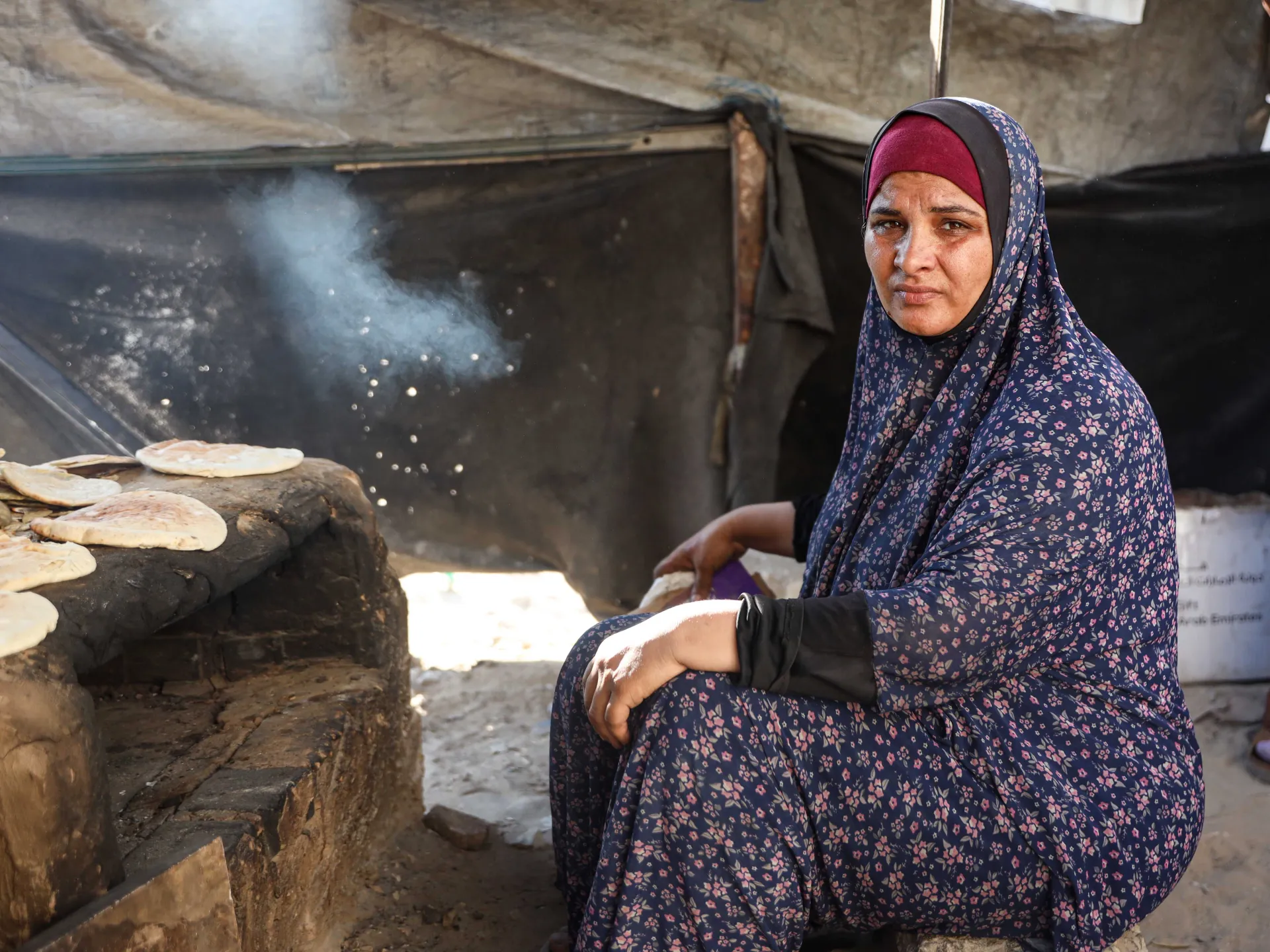
Rabab Deifallah, a mother of five living in a tent, describes the lighter as the starting point for fire, food, and hot water. Before the war, she could buy three lighters for one shekel; today, she spent $12 repairing her existing unit. When she cannot secure a spark, her family eats cold food or sends cardboard to neighbours to borrow a light from their fires.
The crisis is compounded by shortages of cooking gas, forcing residents like Hasnaa Mansour to rely on clay ovens that require a real flame. Mansour, displaced from Jabalia refugee camp, has spent days unable to light her oven to bake and sell food for her six children. Her young daughter was sent out to find a burning fire to light a piece of cardboard, but found none available.
Shadi Abu Shamlah, living at the Al-Karmel School camp, reported that fewer than four lighters are available for the entire site. Families share these few units to prepare tea, cook meals, or heat milk for children. Abu Shamlah noted that the lack of ignition tools sometimes means going to bed without dinner, as the simplest tasks require fire.
The scarcity is rooted in broader logistical constraints. The Gaza Chamber of Commerce and Industry reported in June that only 30,000 trucks entered Gaza in the first five months of 2026, averaging 191 trucks a day—far below pre-war needs. The UN Office for the Coordination of Humanitarian Affairs (OCHA) attributes these shortages to restrictions on the movement of goods, closure of crossings, and additional hurdles for items classified as "dual-use" by Israeli authorities.
In response to the shortage, a new informal economy has emerged. Tamer Al-Shawish, a former driver, now repairs lighters as a profession. He salvages parts from damaged units to fix others, noting that lighter flints now cost 25 to 30 shekels. Some residents resort to refilling lighters with gas from larger cylinders, a dangerous practice that has caused burns.
As trade restrictions continue to limit essential supplies, the lighter has become a symbol of the humanitarian struggle. For families in Gaza, possessing a working ignition tool is no longer a convenience but a prerequisite for basic sustenance and warmth.