Gazans barred from Hajj as Israeli blockade restricts religious travel
A 64-year-old woman’s inability to perform the Hajj pilgrimage highlights the ongoing constraints on civilian movement under the Israeli blockade of Gaza.
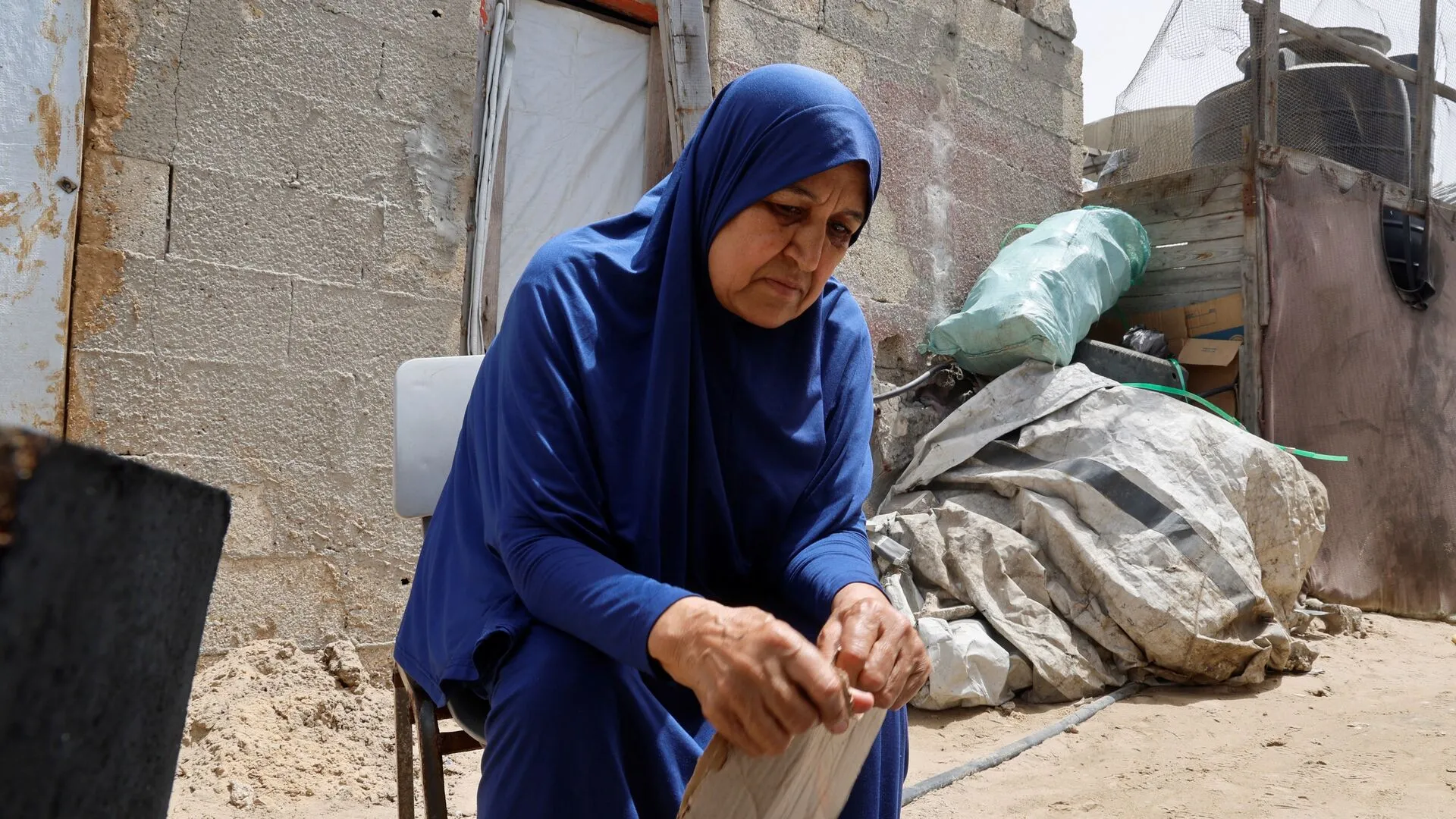
The Israeli blockade on Gaza continues to impede the movement of civilians, preventing residents from undertaking religious obligations such as the Hajj pilgrimage. According to reporting from Al Jazeera, the restrictions have directly affected the ability of individuals to travel to Mecca, a mandatory duty for Muslims who are physically and financially able.
Najia Abu Lehia, a 64-year-old resident of Gaza, has been unable to perform the Hajj due to these border controls. The report notes that Abu Lehia had long aspired to undertake the journey alongside her husband, a personal goal that remains unfulfilled because of the blockade’s impact on exit permits and travel logistics.
The Hajj is a fundamental pillar of Islam, required at least once in a Muslim’s lifetime provided they have the means. For residents of Gaza, the logistical and legal barriers imposed by the blockade have made compliance with this religious requirement increasingly difficult, if not impossible, for many years.
The Israeli blockade has long restricted the movement of people and goods in and out of the territory. This policy framework has been cited as a primary factor in limiting humanitarian access and facilitating travel for religious purposes, creating a structural barrier that affects the daily lives and spiritual practices of the population.
While the specific legal mechanisms governing individual exit permits were not detailed in the source material, the broader context of the blockade remains the central obstacle. The situation underscores the persistent challenges faced by Gazans in accessing international religious sites due to ongoing security and border policies.
The report, published on 22 May 2026, serves as a case study of how macro-level security policies translate into micro-level disruptions for individuals. Abu Lehia’s experience reflects a wider pattern of restricted mobility that has characterised life in Gaza under the current blockade regime.