Gaza school stages Hajj simulation as Israeli restrictions bar pilgrims for third year
A Gaza City educational facility has conducted a full ritual simulation for students, highlighting the ongoing impact of Israeli border controls on Palestinian religious observance.
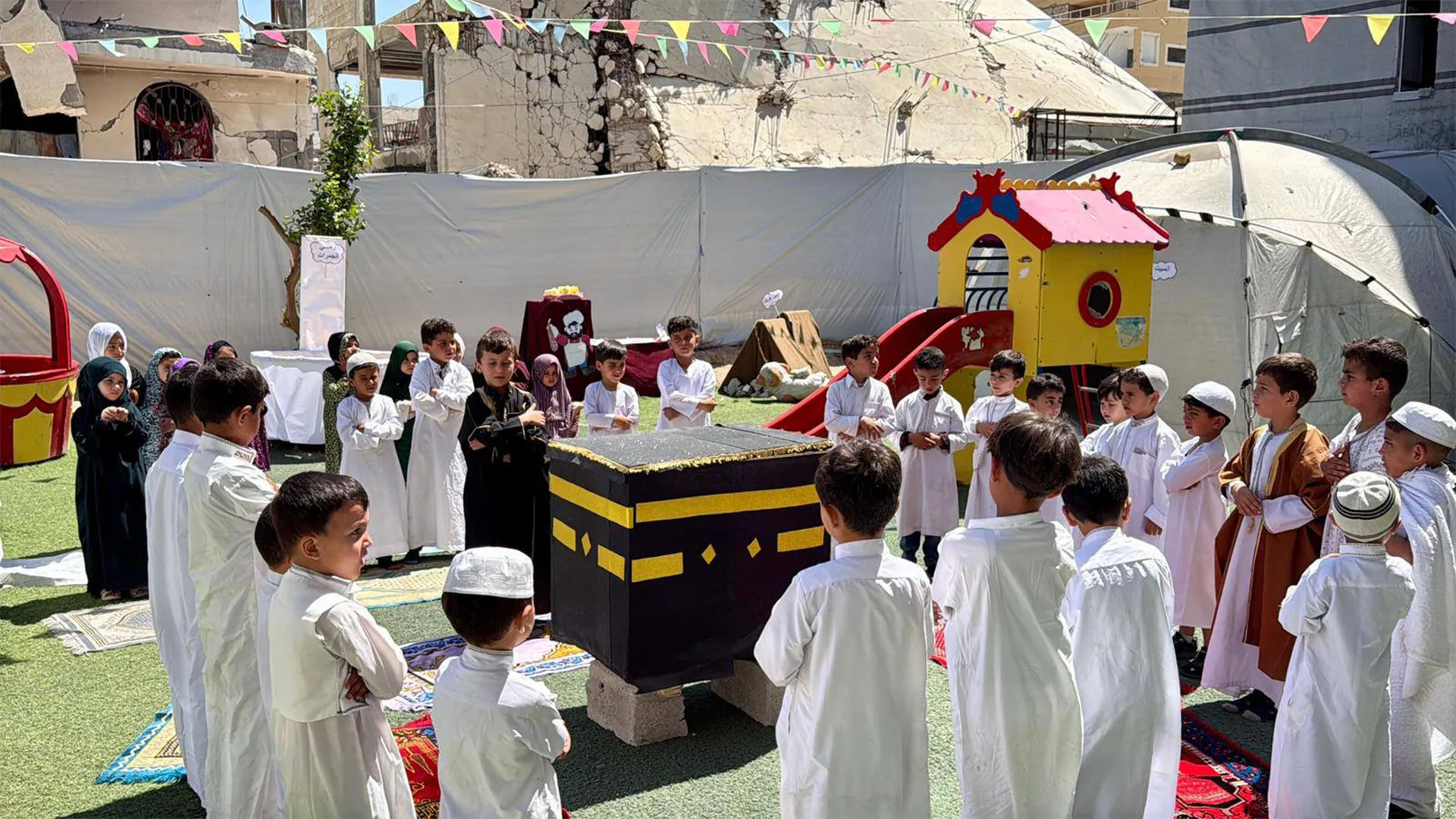
A school in Gaza City has conducted a simulated 'mini Hajj' to instruct children in the full sequence of Islamic pilgrimage rituals. The exercise serves as an educational substitute for the actual religious duty, which remains inaccessible to many residents of the enclave.
According to reports from Al Jazeera Global News, the simulation was organised in response to the inability of Palestinians in Gaza to undertake the Hajj for the third consecutive year. The event underscores the persistent barriers to movement that continue to affect the population’s ability to travel for religious purposes.
The primary obstacle cited for the disruption of pilgrimage access is the imposition of Israeli restrictions. These measures have effectively prevented eligible Muslims from Gaza from reaching Mecca, marking the third year in a row that the pilgrimage has been missed by this demographic due to the current security and border regime.
The Hajj is a mandatory religious obligation for Muslims who are physically and financially able to perform it at least once in their lifetime. The failure to execute this duty due to external travel constraints has necessitated local educational interventions to preserve the ritual knowledge for younger generations.
The specific nature of the Israeli restrictions preventing travel, such as permit denials or border closures, was not detailed in the initial reporting. However, the consistent year-on-year absence of pilgrims from Gaza points to a sustained policy environment rather than a temporary logistical failure.
This development occurs against a backdrop of broader restrictions on international travel for Palestinians in Gaza, which are enforced through Israeli border controls and security measures. The school’s initiative reflects an institutional adaptation to these governance constraints, ensuring that religious traditions are maintained despite the physical inability to perform them abroad.