Gaza sanitation crisis: Supply shock drives up cost of basic hygiene
Restrictions on imports have created a severe imbalance in the Gaza market, forcing displaced residents to rely on communal facilities with minimal privacy and sanitation.
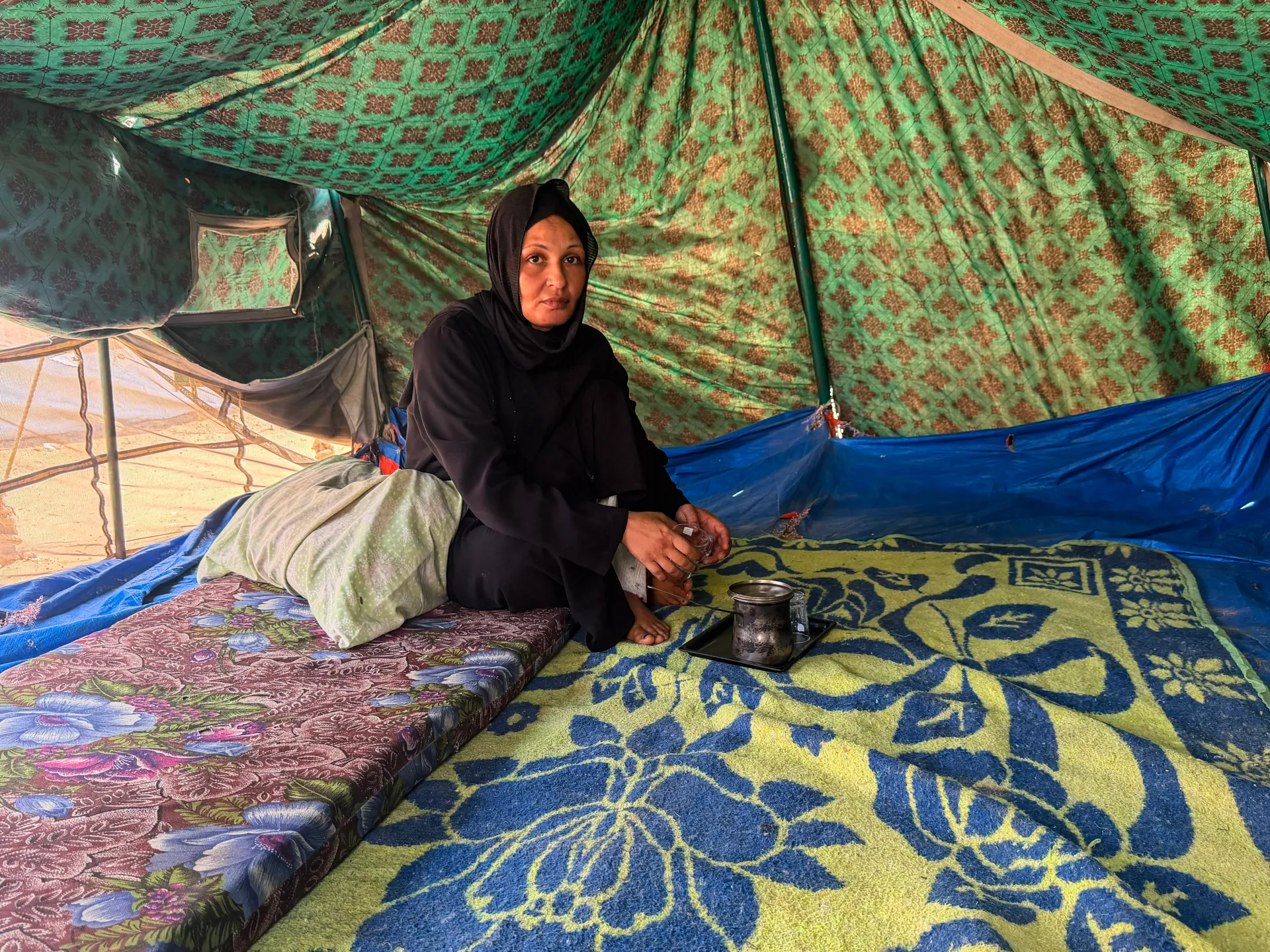
A severe supply shock in Gaza has driven the price of used toilet seats to between 1,500 and 2,000 shekels, according to local economic analysis. The surge in costs is attributed to restrictions on the import of sanitation supplies and plumbing materials, which have compounded the destruction of over 90 per cent of homes in the territory.
Economist Omar Salouha described the situation as a result of a massive increase in demand for toilet products amid a constrained supply chain. With more than nine in ten Palestinians displaced, the imbalance has created a market characterised by scarcity and distortion, effectively turning basic sanitary items into monopoly commodities.
As a result, many residents have turned to communal facilities where a single toilet serves between 20 and 25 people. These facilities often lack integrated sewage networks, privacy partitions, and proper sinks, forcing users to rely on water hoses or barrels. In some areas, water is available only once a week, further complicating hygiene efforts.
The United Nations Office for the Coordination of Humanitarian Affairs (OCHA) conducted a Water, Sanitation and Hygiene assessment which found that only half of the people surveyed in Gaza had access to basic sanitation. Approximately 60 per cent of those surveyed were exposed to wastewater or human waste within 10 metres of their living areas.
Health officials report that these conditions are contributing to a rise in disease. Dr Ahmed Al-Jedi, an emergency department physician at Al-Aqsa Martyrs Hospital in Deir al-Balah, noted an increase in recurring cases of diarrhoea, skin diseases, and gastrointestinal problems among children, women, and the elderly. He linked these cases to limited bathing facilities and the proximity of toilets to living and eating spaces.
The Chamber of Commerce is encouraging traders to submit formal import requests to alleviate the shortage. However, spokesperson Hossam Al-Huwaity stated that the main obstacle remains the Israeli blockade, with many commercial requests delayed at the crossings. The chamber has called on UNICEF, the World Food Programme, OCHA, the European Union, and WASH organisations for assistance.