Gaza mother details loss of two sons in January strike, critiques international protection frameworks
A mother in Gaza has released a detailed narrative regarding the deaths of her five-week-old son, Ryan, and seven-year-old son, Yaman, during an Israeli strike in January 2024, questioning the efficacy of global child protection mechanisms.
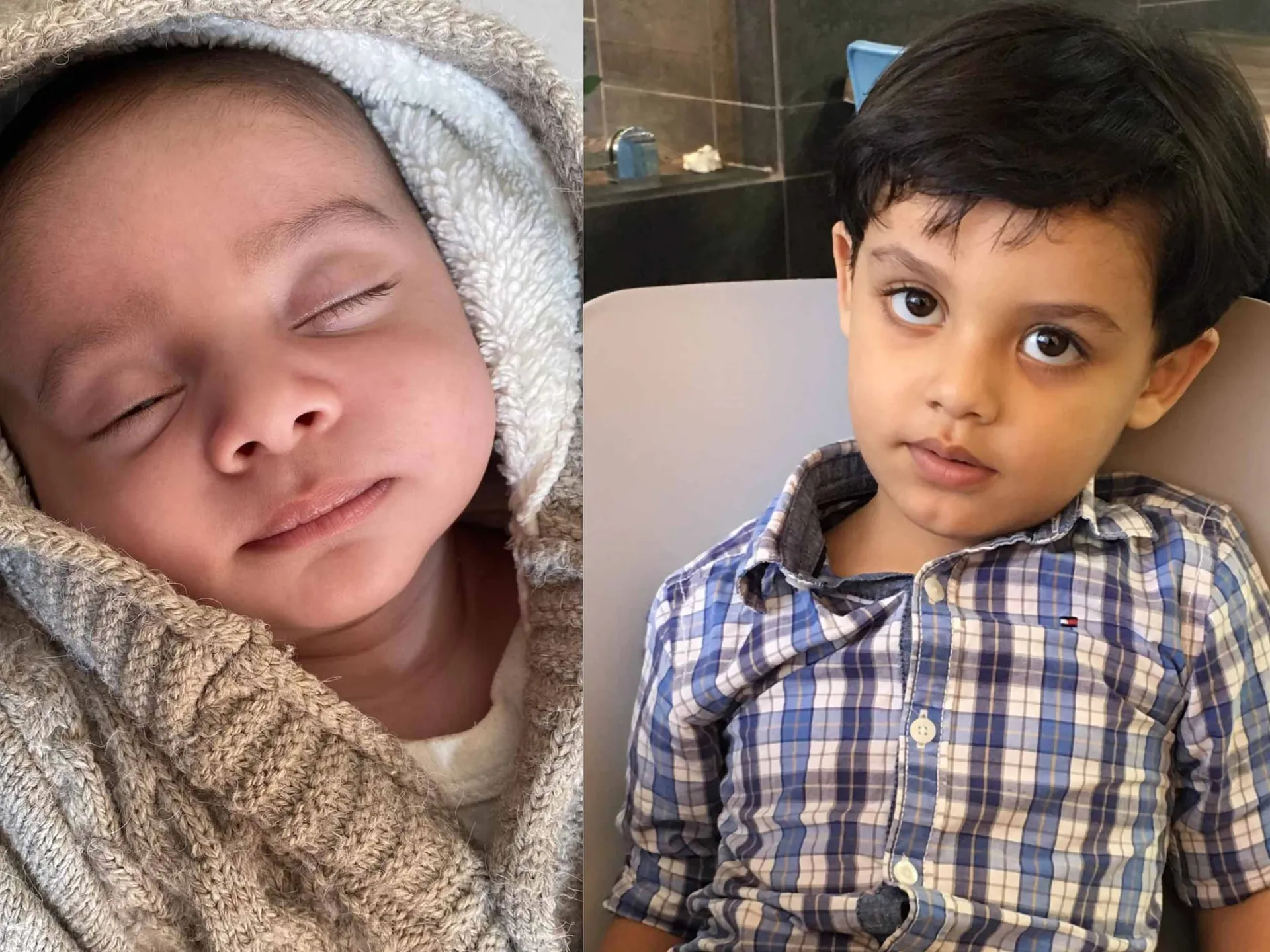
A mother based in Gaza has published a personal account detailing the deaths of her two sons, Ryan and Yaman, following an Israeli strike on the outskirts of Gaza City in January 2024. The narrative, released in the context of International Children’s Day, outlines the immediate aftermath of the attack and offers a critique of international frameworks designed to protect Palestinian children.
According to the account, the five-week-old infant, Ryan, was recovered lifeless from the rubble after being trapped for more than an hour. His seven-year-old brother, Yaman, sustained injuries during the incident but died before reaching a hospital. The author describes the trauma inflicted on their surviving six-year-old son, Nasser, who witnessed the events and has since struggled with the psychological aftermath of losing both brothers.
The author characterises Yaman as a sensitive child with aspirations to build his mother a house, noting his refusal to eat meat due to his love for animals. The text contrasts these individual human details with the broader statistics of the conflict, citing a figure of 21,000 Palestinian children killed. The author argues that the normalisation of such losses has stripped these children of their identity, reducing them to faceless entries in casualty reports.
In the published piece, the author questions the effectiveness of existing international laws and organisations, specifically naming UNICEF and the Convention on the Rights of the Child. The narrative highlights the irony of observing multiple designated children’s days, including World Children’s Day and the International Day of the Girl Child, while alleging that children continue to be killed on an almost daily basis in Gaza, even during periods described as a ceasefire.
The account serves as a personal testimony within the wider reporting on the conflict, emphasising the enduring grief of families and the perceived failure of the global community to intervene. The author concludes by asserting that behind every statistic is a mother’s love and a child whose potential was erased, urging a re-evaluation of how the international community perceives and responds to civilian casualties in the region.