Gaza man discovered alive in Ofer Prison after family mourned him for 18 months
A lawyer confirmed the man's presence in prison a month ago, overturning an official death certificate and funeral held by his grieving family.
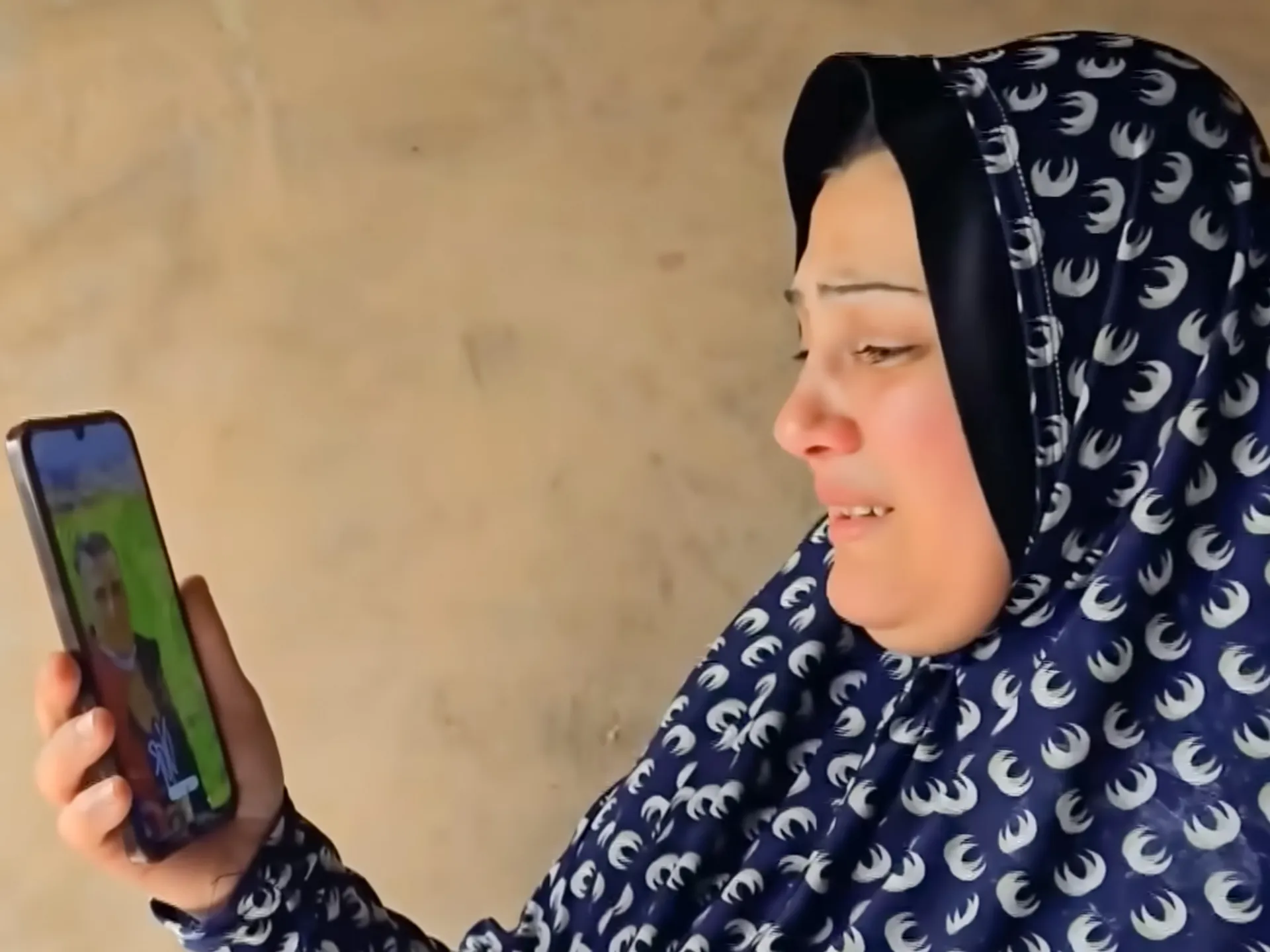
Eid Nael Abu Shaar, a Palestinian man from Gaza, has been confirmed alive in Israel's Ofer Prison following an 18-month period where his family mourned his death. The revelation, verified by a lawyer approximately one month ago, overturns the official status of the man who went missing on 15 December 2024 while searching for work near the Netzarim Corridor in central Gaza.
The Abu Shaar family had obtained a death certificate and held a funeral based on the absence of any records from the International Committee of the Red Cross (ICRC) or other authorities. Without detention lists or confirmation of custody, the family scoured local morgues and hospitals in Al-Aqsa, al-Awda, and Nuseirat, eventually erecting a mourning tent and accepting the Ministry of Health's classification of Eid as deceased.
The confirmation of his survival emerged from a report by a recently released detainee who encountered Eid inside the prison. This intelligence was subsequently validated by legal counsel, prompting a shift from a state of ambiguous loss to a complex reality where the family must now confront the conditions of indefinite internment rather than the finality of death.
This case underscores the broader humanitarian crisis affecting thousands of Palestinians, with estimates suggesting between 7,000 and 8,000 individuals remain missing. Of this total, approximately 1,500 are believed to be forcibly detained in Israeli prisons, a situation that has created a policy of total secrecy described by advocates as a deliberate tactic to prolong suffering.
The absence of official records has forced families into a cycle of suspended grief, where legal and social functions such as remarriage and inheritance remain in limbo. The ICRC has been barred from visiting Israeli prisons or receiving detainee lists since the start of the conflict, leaving families unable to verify the fate of their loved ones through established humanitarian channels.
While the Abu Shaar household has begun distributing sweets in a gesture of relief, the mother expresses ongoing fear for her son's safety within the detention facility. The situation highlights the difficulty of rebuilding lives under conditions where the state maintains control over information regarding the whereabouts of its detainees.