Gaza kitchen cuts deepen food insecurity for displaced families
Reduced community-kitchen services, rising prices and limited aid are leaving families reliant on irregular meals and canned food.
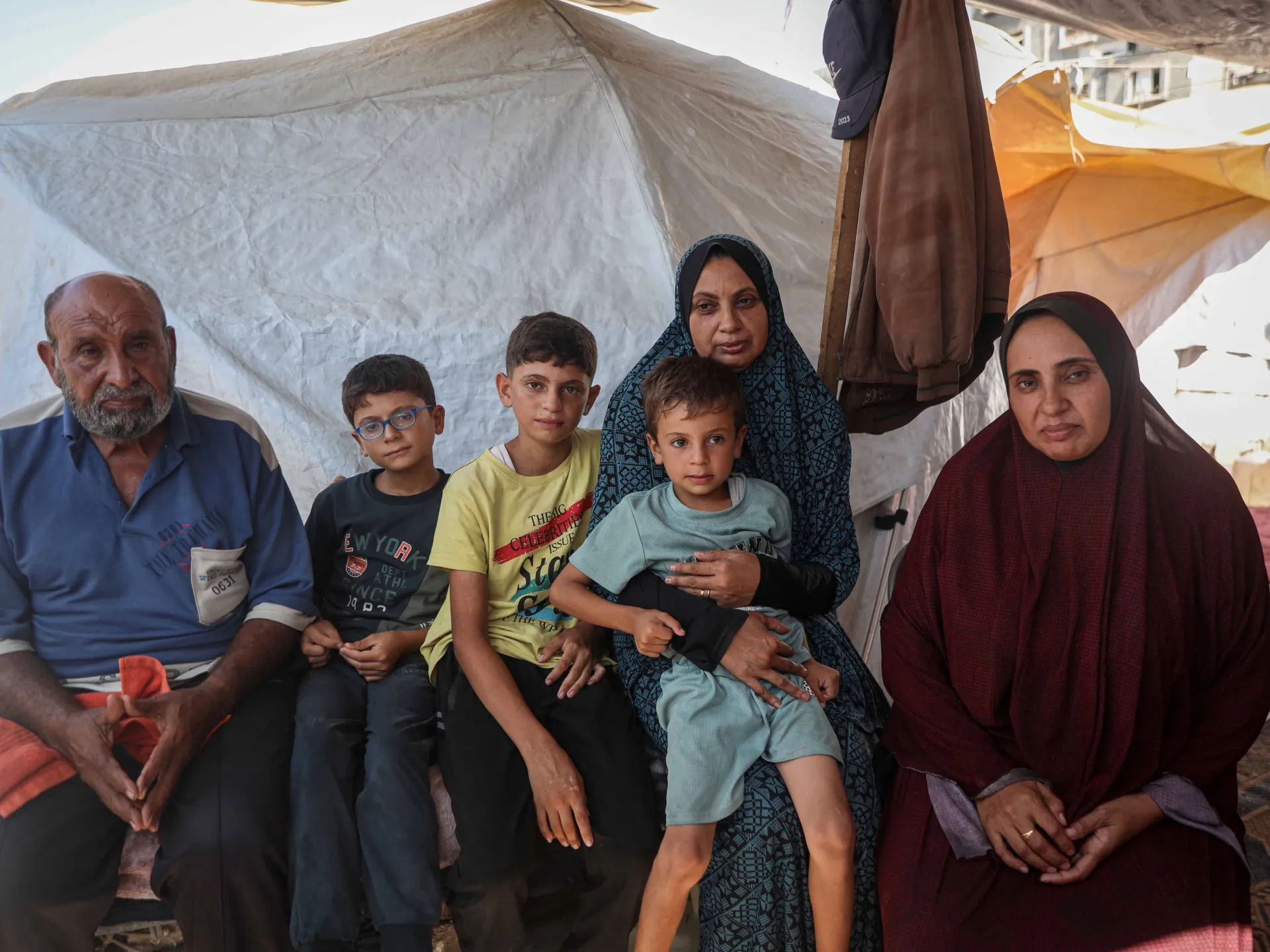
Families in Gaza are facing worsening food insecurity as community kitchens reduce services, food prices rise and aid supplies remain limited, according to reporting by Al Jazeera.
A displaced family of seven in Deir el-Balah relies on irregular communal meals supplemented by canned tuna, beans and peas. The family has lived in a tent for nine months without regular income, while adults sometimes skip meals so the children can eat.
The kitchen near the family’s displacement site was closed for almost two months before reopening for two days a week. Figures attributed to the United Nations Office for the Coordination of Humanitarian Affairs show daily meal production fell from about 1.5 million meals through 165 kitchens in mid-March to 698,000 through 102 kitchens by July.
OCHA attributed the reduction to funding shortages and rising operating costs, which have made it harder for charities to secure food and cooking supplies. The World Food Programme said in July that about 77 per cent of households in Gaza reported difficulty obtaining fresh vegetables, fruit and protein.
The family’s limited diet is also affecting the children’s health. Doctors reportedly told Mervat Radwan that her nephew Habib’s kidney stones were linked to a high-salt diet largely based on canned goods. Radwan said cucumbers cost about 15 shekels ($4.50) per kilogram, while tomatoes cost 10–12 shekels ($3–3.60), putting fresh produce beyond the family’s regular means.