Gaza healthcare collapse turns right to health into privilege
With only six of UNRWA’s 22 clinics operational and 2,200 inpatient beds for two million residents, displacement camps in Gaza City are left without basic medical services.
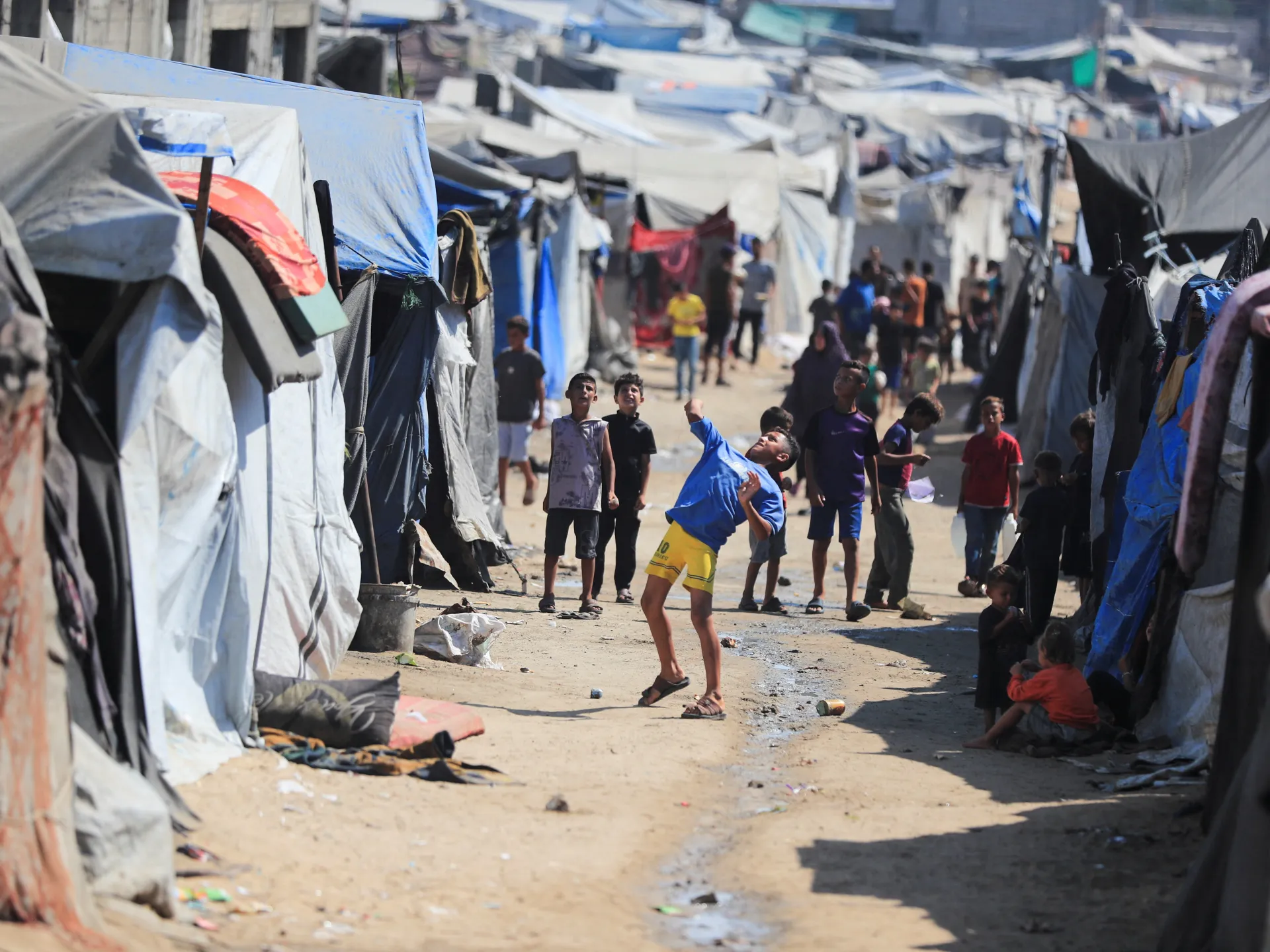
Gaza’s healthcare system is experiencing a silent but severe collapse, with the right to health effectively becoming a privilege rather than a basic entitlement. According to an opinion piece published by Al Jazeera, the crisis is most acute in displacement camps, where residents face barriers such as distance, transportation costs, and exhaustion that prevent them from accessing the few remaining functional medical facilities.
The report highlights a recent visit to an informal camp established on the grounds of the Hassan Salama school in the Nasr neighbourhood of Gaza City. The school was bombed in August 2024, resulting in at least 30 deaths, and now houses hundreds of displaced people in tents with no provision of organised services. During a one-day free clinic run by a local private team, at least 150 patients were seen presenting with chronic conditions, infections, and injuries.
Patient complaints ranged from high blood pressure and diabetes to kidney problems, hepatitis, and scabies. Children in the camp were also treated for chickenpox, gastroenteritis, and respiratory infections. The lack of sanitation, safe potable water, and constant exposure to extreme temperatures further exacerbates the health crisis for those living in these makeshift shelters.
One cited case illustrates the logistical and financial hurdles facing patients. A 46-year-old man with a shrapnel foot injury and hypertension could not access the nearby Al Rantisi Hospital, which is partially functioning and primarily serving children and oncology patients. He was unable to afford the $8 transportation cost to reach another facility for a prescription, a significant sum for residents struggling to secure daily meals.
The institutional decline is stark when compared to pre-war figures. UNRWA, which historically established clinics in refugee camps to secure basic healthcare, previously operated 22 clinics across the Gaza Strip. A recent report indicates that only six of these clinics remain operational today. Meanwhile, just 19 of the 34 hospitals in the strip are partially functioning, a term that often implies significant destruction and limited ward capacity.
Currently, there are only 2,200 inpatient beds available for a population of two million people. This is a dramatic reduction from the pre-war period, when Al Shifa Hospital alone had 700 beds. Various medical services, including lab tests and surgeries, are no longer available due to a lack of supplies and staff.
The Al Jazeera article argues that the destruction of medical facilities and the dispossession of residents have created a situation where basic care is out of reach for the most vulnerable. It calls for a healthcare intervention that focuses not only on rebuilding hospitals but also on re-establishing basic care clinics to reach those in displacement camps.