Gaza Fishermen Construct Makeshift Vessels from Rubble Salvage
Al Jazeera reports that fishermen in Gaza are utilising dinghies built from reclaimed fiberglass, wood, and doorframes salvaged from rubble to maintain their operations.
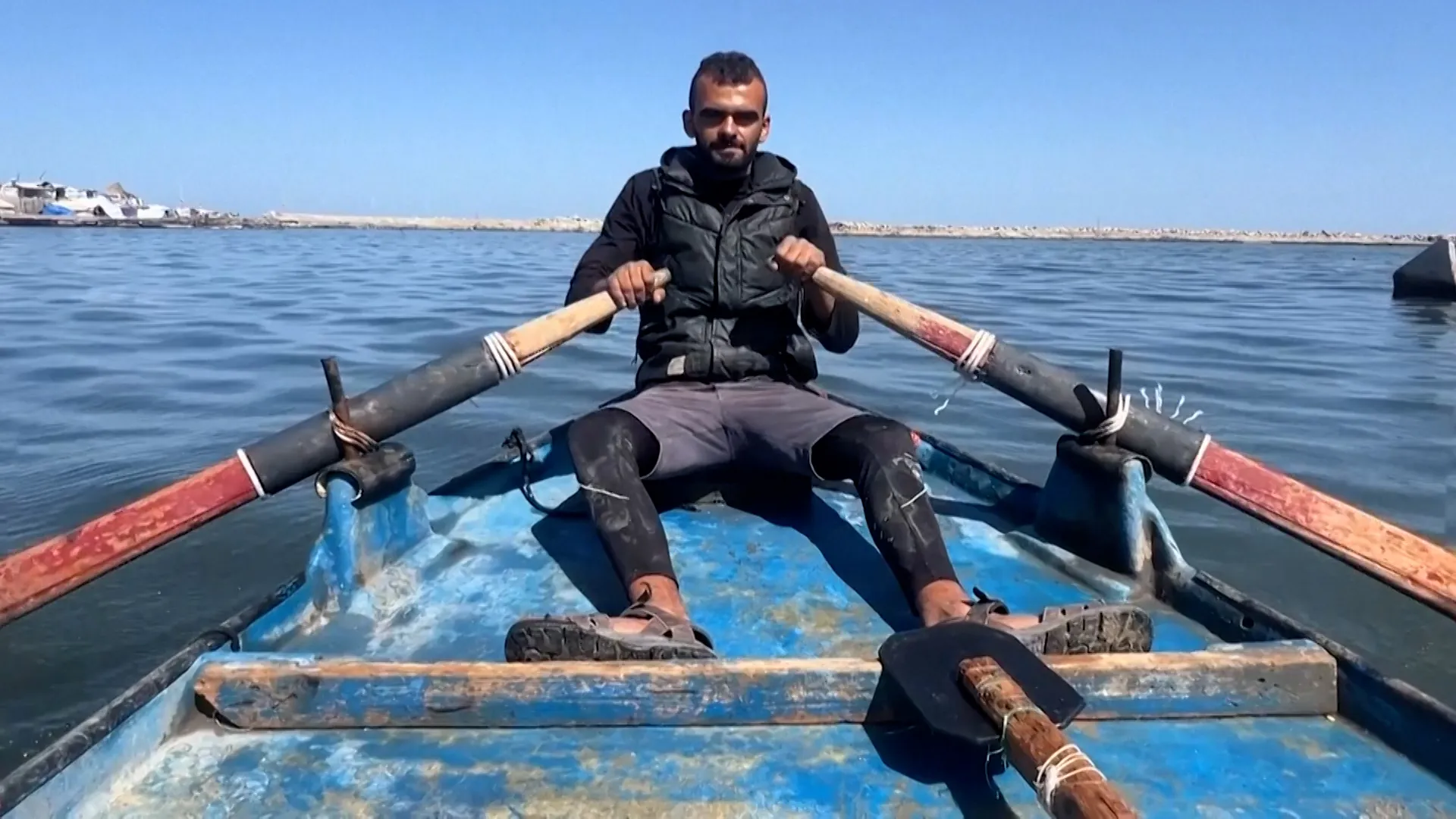
Fishermen in Gaza have turned to improvised vessel construction to sustain their livelihoods, according to reporting by Al Jazeera Global News. The report indicates that these individuals are building dinghies using materials salvaged directly from the region’s rubble, including reclaimed fiberglass, wood, and doorframes.
The construction of these vessels represents a direct adaptation to the material scarcity and infrastructure damage prevalent in the area. By repurposing doorframes and other debris, the fishermen are creating functional craft designed to keep them afloat and enable continued fishing activities.
The source material confirms the specific composition of these boats, highlighting the reliance on salvaged components rather than traditional marine-grade materials. The use of doorframes, in particular, underscores the extent to which the fishing community is adapting its resources to meet operational needs in the absence of conventional supplies.
While the primary objective of these vessels is to allow fishermen to remain active in their trade, the report does not provide data on the scale of this practice. There is no information available regarding the number of fishermen involved, the specific locations within Gaza where these activities are taking place, or the operational success rate of the constructed dinghies.
Furthermore, the available text offers no insight into the safety standards or regulatory status of these makeshift boats. The report focuses solely on the method of construction and the intent to maintain livelihoods, without verifying the efficacy or durability of the vessels in open water conditions.
The incident is categorised under the topic of security, reflecting the broader context of resource management and survival strategies in the region. The reliance on salvaged materials points to significant constraints on access to standard construction supplies, forcing a shift towards ad-hoc solutions for economic survival.
As reported by Al Jazeera, this development highlights the resilience of local fishing communities in the face of severe material deprivation. The use of rubble-salvaged doorframes and fiberglass serves as a tangible indicator of how infrastructure destruction has necessitated innovative, albeit improvised, approaches to sustaining basic economic activities.