Gaza Eid marked by strikes, soaring costs and acts of defiance
Israeli rocket attacks in the Remal neighbourhood killed six and injured 20 on Eid night, yet markets reopened minutes later as residents navigated a tenfold increase in livestock prices due to the ongoing blockade.
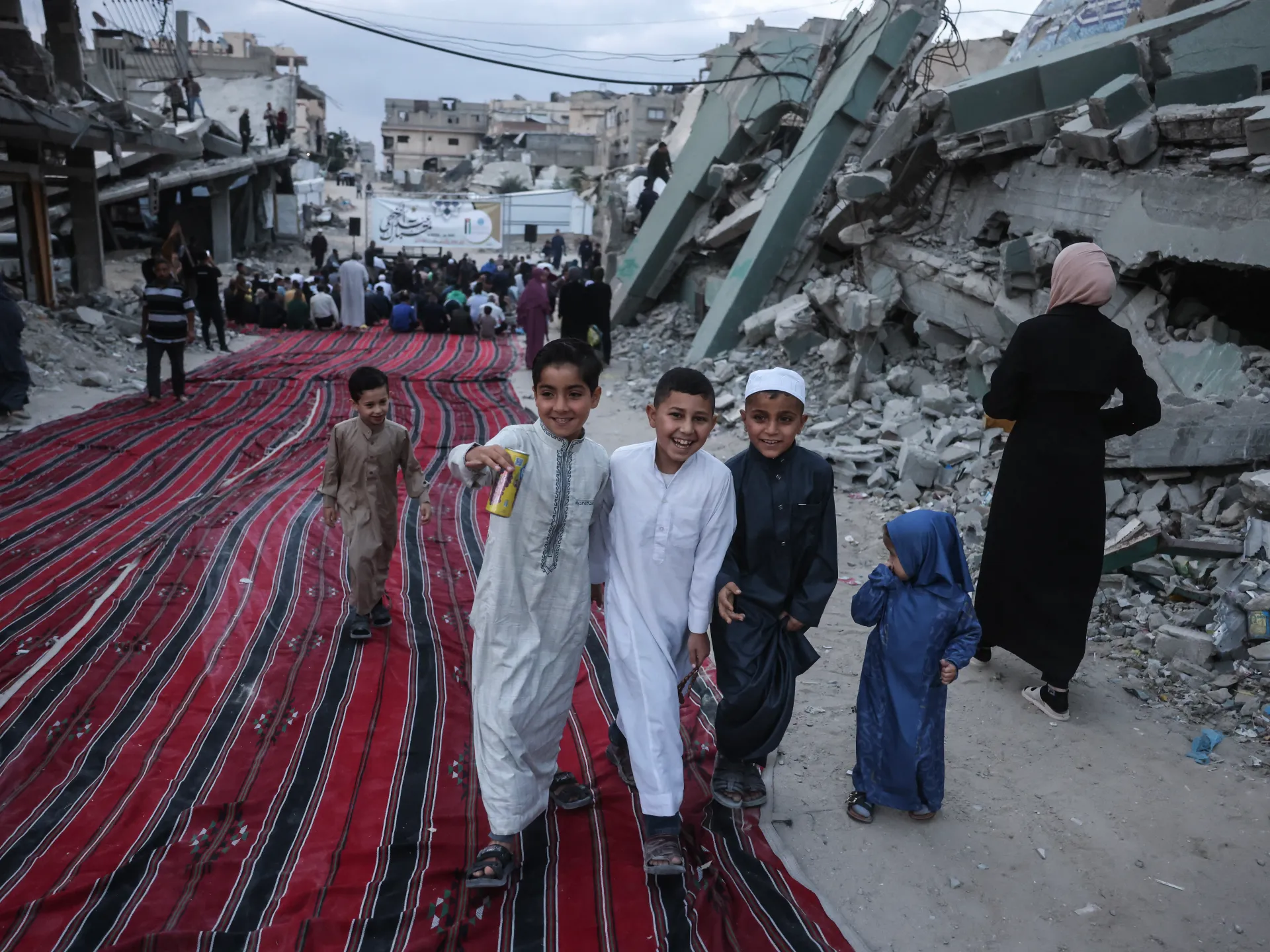
Six people were killed and 20 injured in Israeli rocket attacks on the Remal neighbourhood in Gaza on Eid night, yet shoppers returned to markets minutes later. The author, a displaced resident of Jabalia, describes the experience of celebrating Eid amidst the conflict. On the first day of Eid, 15 people were buried across Gaza, including commander Mohammed Awda, his wife, and three children.
This is the author’s third consecutive Eid al-Adha spent displaced in a "red zone" under Israeli control. During the war, livestock farms in Jabalia were largely destroyed, with only a small number of sheep surviving. The Israeli blockade has prohibited the entry of livestock into Gaza since October 2023, causing prices for livestock to increase roughly tenfold. A single sheep now costs approximately $6,000, rendering traditional sacrifices unaffordable for many families.
The economic impact of the blockade extends beyond livestock. The price of chocolate has risen to about $30 per kilogram, nearly four times its pre-war price. This surge has significantly dampened the festive atmosphere for many families, who are also facing rising costs for nuts and other goods associated with the festival. Despite these hardships, residents continue to hold on to life and try to create happiness from the simplest things.
On the night before Eid, the author observed the densely populated Remal area, where streets were crowded with shoppers and stalls selling chocolates, fruits, and biscuits. The sound of aircraft overhead was loud, and planes were flying intensively. The author’s family joined the crowds, buying ice cream and moving through the throngs of people. The atmosphere was tense, with the fear of another massacre becoming painfully familiar.
The sound of rockets hitting the street interrupted the celebrations. Four rockets struck the area, causing glass, debris, dust, and smoke to fill the air. Shoppers, especially women and children, ran in panic, while others continued their shopping. A second round of explosions occurred only minutes later. After confirming the attacks had ended, people returned to shop, with stores and stalls remaining open until 4am.
On the morning of Eid, the author’s family ate frozen liver for breakfast, a traditional first meal after sacrifice, to relive pre-war memories. At about 1pm, chants of "There is no god but Allah, and the martyr is beloved to Allah" were heard, indicating funerals for those killed the previous night. A source from Middle East Eye reported that 15 people were buried on the first day of Eid, including commander Mohammed Awda and his family.
Residents view their continued celebration as an act of resistance. "We do not celebrate Eid because we are well – we celebrate because we are still alive," the author stated. The occupation has turned Eid from a day of celebration and visits into a day of mourning, yet the determination to maintain cultural and religious traditions persists amidst the destruction and fear.