Gaza documentary fuels Israeli political backlash ahead of October election
NAZA’s allegations of military abuses have prompted calls for investigations and possible citizenship revocation, exposing tensions over media coverage of Gaza.
A documentary alleging Israeli military abuses in Gaza has drawn condemnation from across Israel’s political and media establishment, bringing previously reported claims into the centre of debate ahead of October elections, according to Al Jazeera Global News.
NAZA, made by Israeli filmmakers Yuval Abraham and Rachel Szor, reportedly alleges that artificial intelligence systems were used to generate military targets and that entire buildings were sometimes destroyed to kill one person identified by the system. The documentary also raises allegations of extensive civilian harm, including unlawful killings, famine and genocide. The claims have not been independently verified.
Culture Minister Miki Zohar called for the filmmakers to lose their citizenship and face a Shin Bet investigation. Army chief Eyal Zamir rejected the film as “blood libel” and ordered a legal probe into its military and intelligence sources.
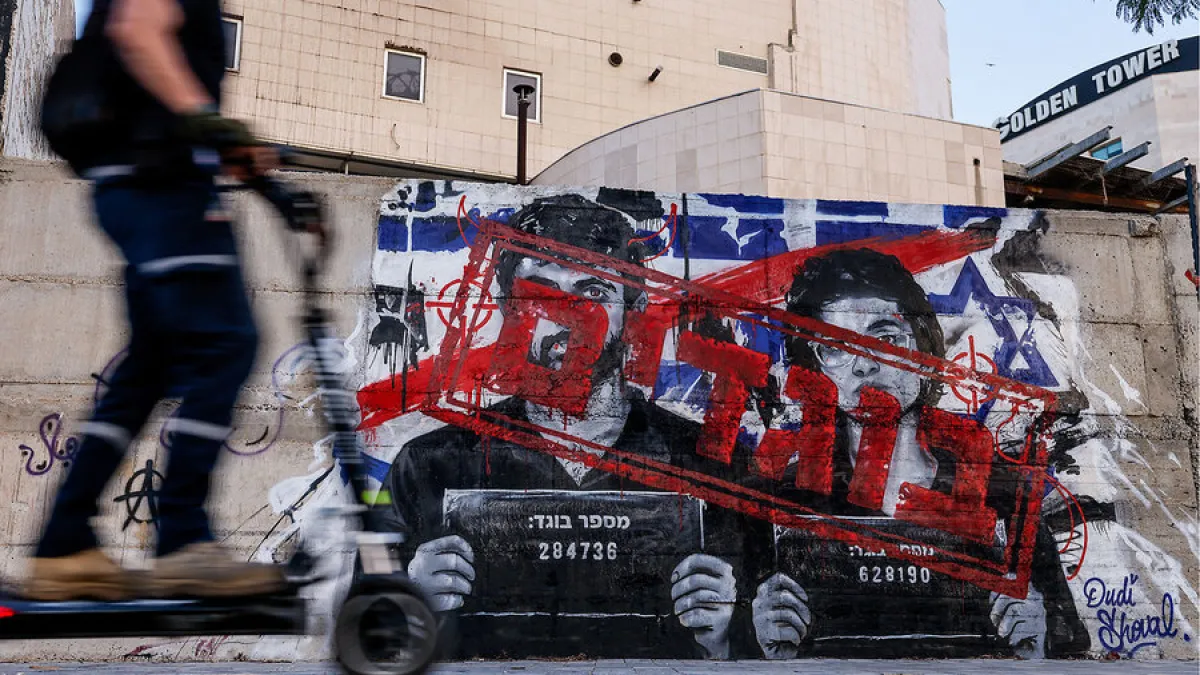
Prime Minister Benjamin Netanyahu cited NAZA while promoting legislation targeting people accused of smearing Israeli soldiers. Former military chief Gadi Eisenkot and former prime minister Naftali Bennett also condemned the documentary, while graffiti calling the filmmakers “traitors” reportedly appeared in Ashdod. The status and details of the proposed legislation and investigations remain unclear.
The film reportedly received a 25-minute standing ovation at the Venice Film Festival. Its release has renewed scrutiny of claims that Israeli media have given limited coverage to Gaza’s humanitarian impact. The Committee to Protect Journalists reported escalating censorship and harassment in Israel in late 2025, while an Israeli think tank found that only a small portion of Channel 12’s coverage of the war’s first six months mentioned Gaza’s humanitarian crisis.
Israeli commentators cited by Al Jazeera said national narratives about Hamas, the 7 October 2023 attack and the use of civilians as human shields had shaped how Palestinian deaths were understood. The backlash has intensified as political divisions sharpen before the election.