Gaza civilian faces protracted rehabilitation after air strike leaves her with severe facial trauma and bereavement
Medical specialists describe the 42-year-old’s injuries as among the most complex treated in the region, highlighting systemic shortages of surgical equipment and the psychological toll of structural disfigurement.
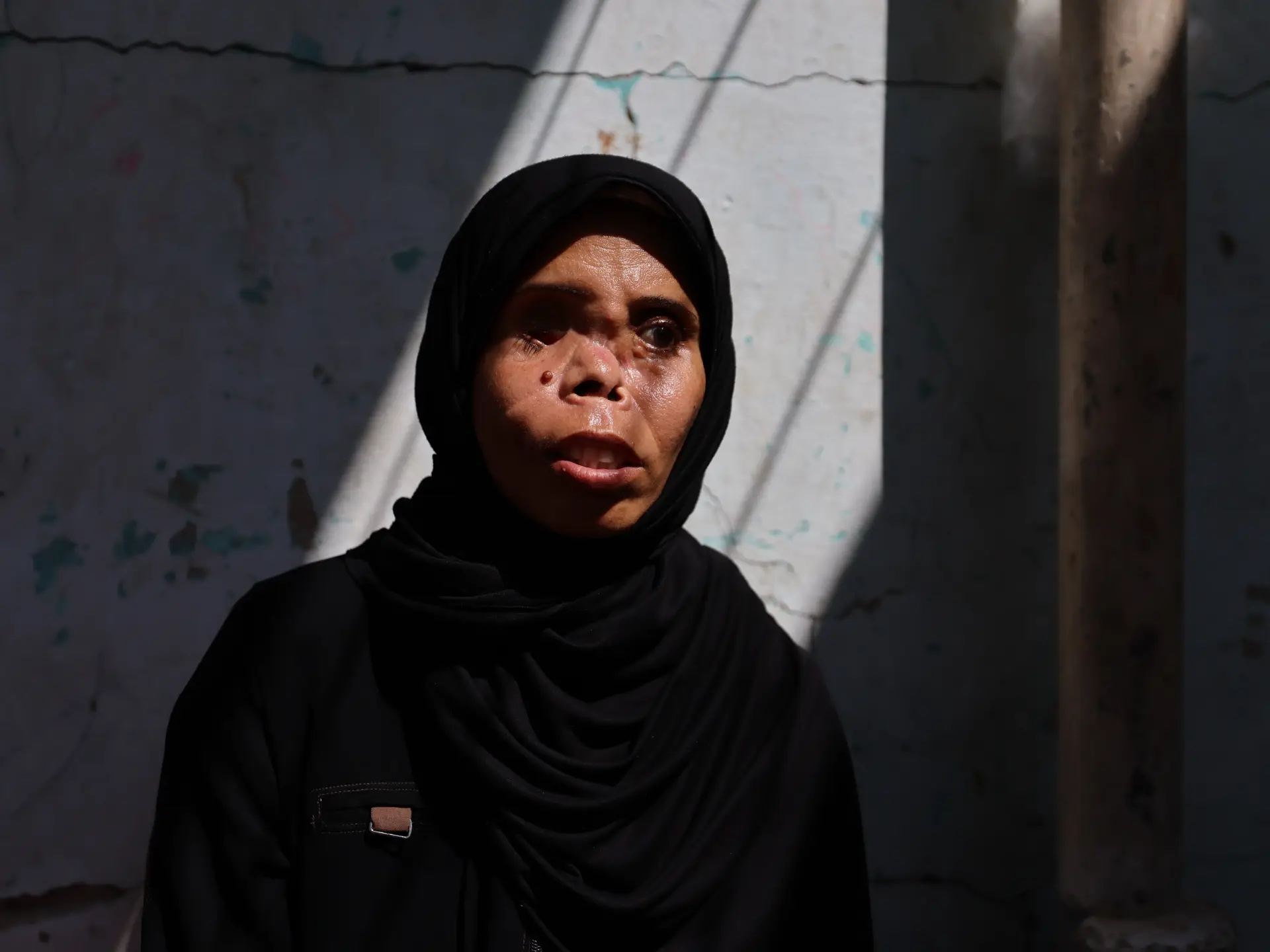
Najwa Abu Atiwi, a 42-year-old resident of the Nuseirat camp in central Gaza, is undergoing extensive medical and psychological treatment following an Israeli air strike in October 2024. The incident resulted in the death of her six-year-old daughter, Hajar, and left Abu Atiwi with severe facial fractures, the loss of her right eye, and a prolonged coma. She has undergone multiple reconstructive surgeries involving metal plates and meshes but continues to face difficulties with eating and speaking. Abu Atiwi remains in Gaza awaiting permission to travel abroad for specialised care, citing local resource shortages exacerbated by the blockade.
Abu Atiwi spent weeks in a coma after the strike and did not learn of her daughter’s death until a month after waking. During her intensive care stay, she repeatedly asked for reassurance that her daughter was safe, unaware of the fatal outcome. When she finally viewed her injuries, she described a profound sense of disorientation, noting that her face, marked by severe trauma and bone fractures, had changed so dramatically she did not recognise herself. The psychological impact of this physical alteration, compounded by the loss of her child, has required significant therapeutic intervention.
Dr Ayman Saidam, a consultant in oculoplastic surgery, characterised Abu Atiwi’s injuries as among the most complex he has treated. Her condition involved the loss of her right eye, severe facial bone fractures, and torn eyelids, alongside injury to her left eye socket that impaired her ability to close the eyelid. Saidam emphasised that treatment must prioritise structural maxillofacial reconstruction over cosmetic procedures, as the latter cannot correct underlying skeletal deformities. He noted that facial reconstruction is a multi-stage process where each intervention depends on the success of previous ones.
The recovery process has been hindered by shortages of essential medical supplies, including surgical screws and eye drops. Saidam attributed these deficits to Israeli restrictions on imports into Gaza, which have persisted despite an October ceasefire that he stated Israel regularly violates. Abu Atiwi currently holds a referral for treatment abroad but remains in the Strip due to movement restrictions. Her diet is restricted to soups, water, juices, and milk due to jaw injuries that limit her ability to open her mouth or chew solid food.
The World Health Organization reports that approximately a quarter of recorded injuries in Gaza are classified as life-changing, with more than 50,000 requiring long-term rehabilitation. These injuries include limb loss, severe burns, and complex trauma from bombardment. Dr Hassan Abu Shawish, a psychologist at the Deir el-Balah Mental Health Clinic, treated Abu Atiwi for post-traumatic stress disorder, anxiety, depression, and body image disturbance. He noted that psychological care is essential for survivors of facial disfigurement to help them adapt to physical changes and rebuild confidence.