Gaza civil defence recovers 19 bodies as manual search operations continue amid machinery shortages
The Gaza Health Ministry reports over 8,000 people remain missing, with recovery efforts constrained by a chronic lack of heavy equipment to clear concrete debris from Israeli strikes.
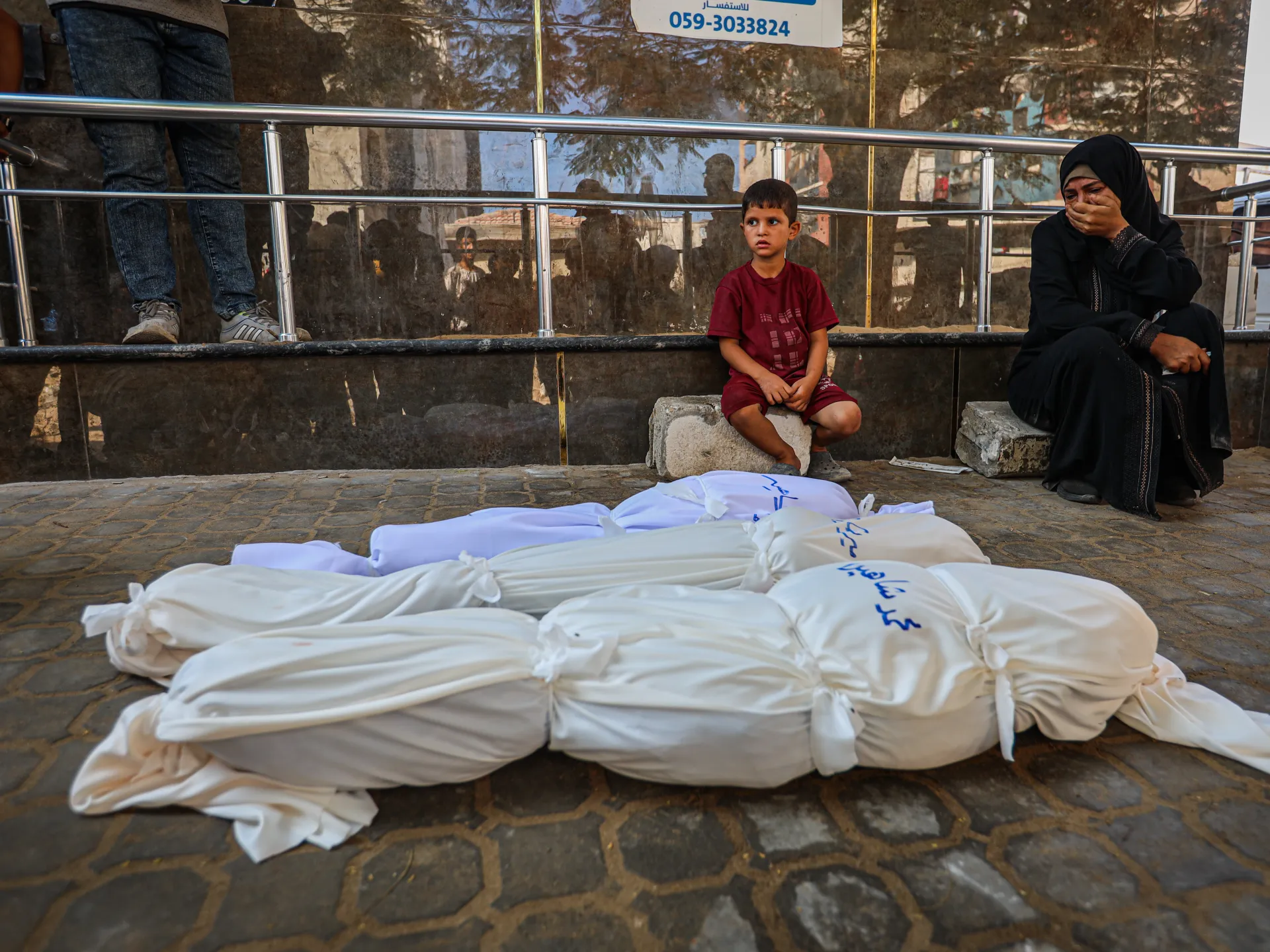
Gaza’s civil defence crews have recovered 19 bodies, predominantly women and children, from the rubble of a destroyed residential building in Gaza City. The operation at the Karam building in the western sector concluded on Saturday after four days of searching, marking the latest phase in a protracted effort to retrieve remains from the territory’s ruins.
Mohammed Abu Dan, who oversees recovery efforts, confirmed that specialised medics and civil defence personnel have relocated to a new site in Gaza City to resume search operations. The move follows the completion of the four-day campaign at the Karam building, highlighting the continuous and resource-intensive nature of the work.
Recovery teams are currently relying on rudimentary tools and manual labour due to a chronic shortage of heavy machinery. Civil defence officials have stated that the absence of equipment capable of shifting the concrete slabs left by Israeli strikes significantly hampers the speed and efficiency of retrieval operations.
The recovery of the 19 bodies follows a mass funeral held in Gaza City on Tuesday for 112 people from the Abu Sharia and al-Hasayna families. Their remains were previously recovered from the wreckage of a residential block in the Sabra neighbourhood, which was destroyed in an Israeli strike in November 2023.
According to the Gaza Health Ministry, more than 8,000 people remain missing under rubble across the territory. The ministry reports that since the ceasefire took effect on 11 October last year, at least 1,254 people have been killed, 4,121 wounded, and 804 bodies recovered from rubble.
The overall death toll since October 2023 stands at more than 73,300, with over 174,000 wounded, according to the same health authority. These figures underscore the scale of the humanitarian crisis and the ongoing challenges facing recovery operations in the region.