Gaza ceasefire talks stall over disarmament demands
Negotiations in Cairo have reached an impasse as the US-backed mediator demands the handover of tunnel maps and personal firearms, a move Palestinian leaders say facilitates Israeli maximalist objectives.
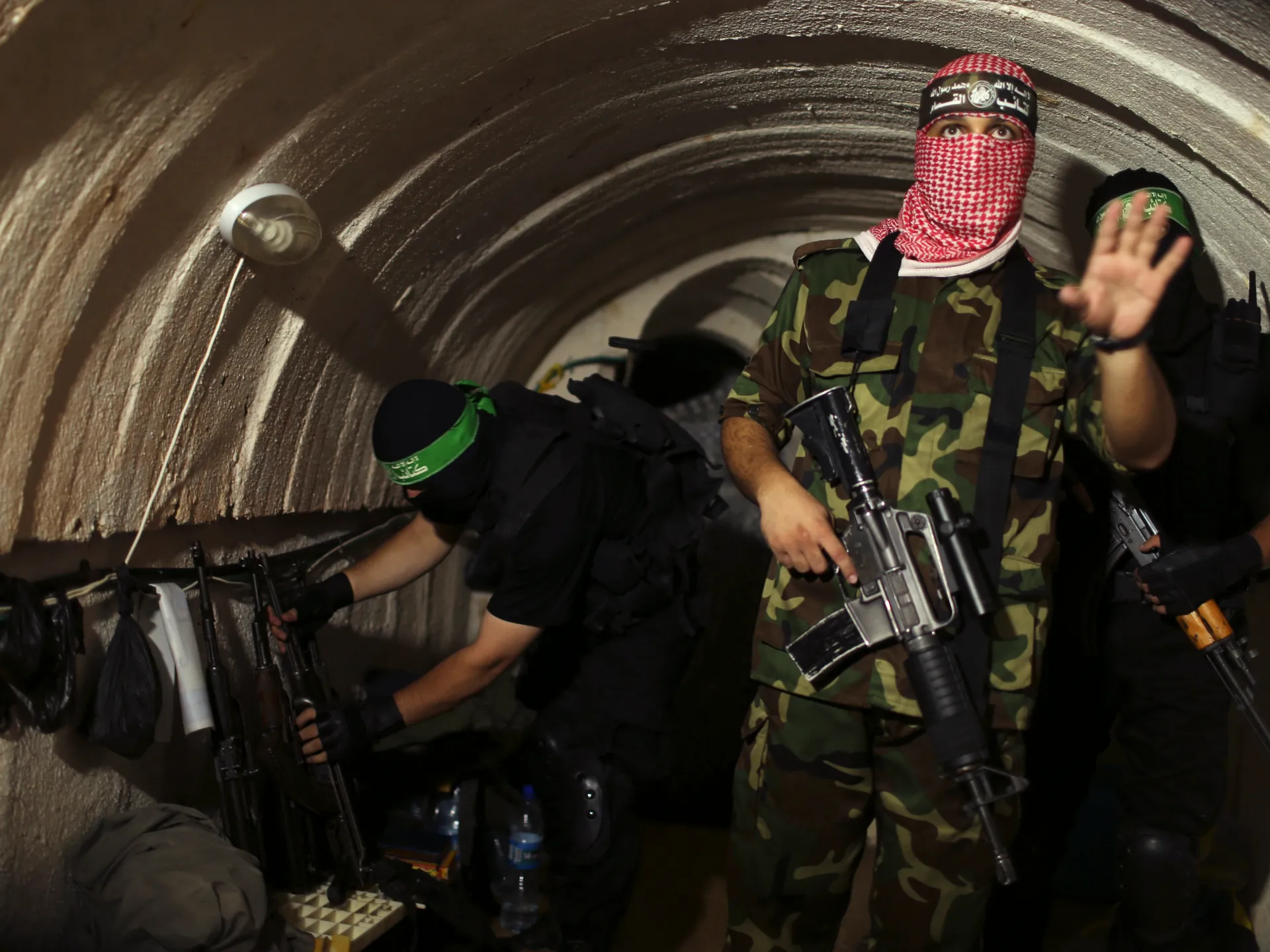
Ceasefire negotiations in Cairo have stalled following demands by Nickolay Mladenov, the high representative of the “Board of Peace”, for the complete disarmament of Hamas and the surrender of all personal weapons and tunnel maps from Palestinians in Gaza. The deadlock centres on “Clause 8” of the October 2025 ceasefire plan, which outlines post-war security management. While Hamas initially expressed willingness to inventory heavy weapons, it rejected unconditional disarmament, linking any handover to a full Israeli withdrawal. Mladenov’s proposal, submitted on 17 June, includes a 15-point roadmap for surrendering firearms to the New Civil Authority of Gaza (NCAG). Palestinian factions and analysts accuse Mladenov of abandoning neutrality to facilitate Israeli maximalist demands, including the dismantling of the Qassam Brigades’ tunnel network. The Board of Peace has defended the framework as a neutral effort to reconcile concerns through coordinated steps involving Egypt, Qatar, and Turkiye.
The current impasse follows a series of proposals and counter-proposals that have exposed deep divisions over the scope of disarmament. Mladenov, acting under the oversight of US President Donald Trump’s “Board of Peace”, has demanded that not a “single bullet” remain in Gaza, including weapons privately held by individuals and families. This stance aligns with Israeli Prime Minister Benjamin Netanyahu’s demands for the dismantling of the entire Qassam Brigades tunnel network and all armed group facilities. In contrast, Hamas initially showed “high positivity” towards Clause 8, agreeing to inventory and store heavy weapons such as rockets and Kornet antitank missiles, but firmly rejected unconditional disarmament.
Palestinian officials argue that the complete disarmament stipulation means that Mladenov is essentially a facilitator for Israel’s maximalist demands. Mohammad al-Braim of the Popular Resistance Committees stated that the groups have shown “unparalleled flexibility” regarding weapons arrangements but would not submit under pressure. He accused Mladenov and Netanyahu of trying to turn the weapons file into a “gateway to control all tracks”, stressing that any disarmament steps must be linked to a comprehensive political solution and a full Israeli withdrawal from Gaza.
Analyst Saeed Ziad accused Mladenov of abandoning neutrality and implementing the vision of the Israeli right wing, including the reinstatement of settlements in Gaza. Ziad argued that Mladenov acts as an entity that sponsors and implements what the Israelis want, rather than a neutral mediator. He noted that no Palestinian leader or group has the authority to unilaterally end the resistance to the Israeli occupation and that the demand for total disarmament is viewed by Palestinians as a pretext for Israel to avoid their previous commitments.
The Board of Peace dismissed allegations of bias, stating the framework is a product of engagement with Egypt, Qatar, and Turkiye, and aims to reconcile concerns through coordinated steps. A Board of Peace official emphasised that the roadmap “should not be understood as the proposal of any single individual or institution”, adding that Mladenov’s role is to “bridge differences and support efforts to reach practical arrangements that can be implemented on the ground”. The official stated that discussions are not centred on any single provision but form part of a comprehensive package based on a reciprocal approach.
Since the October ceasefire proposal, over 1,000 Palestinians are believed to have been killed, and Israel has expanded its military footprint in Gaza rather than withdrawing as required by Phase 1 commitments. Despite the current standoff, a Palestinian source involved in the talks indicated that the door is not closed, with factions preparing to present a joint formulation to Mladenov. The negotiations remain active, but the demand for tunnel maps and family arms continues to test the viability of the ceasefire agreement.