Gates admits ‘grave error’ in Epstein ties during closed-door House testimony
Bill Gates described his relationship with Jeffrey Epstein as a significant misjudgment but maintained he never witnessed criminal conduct or visited the financier’s private properties during a voluntary deposition before the House Oversight Committee.
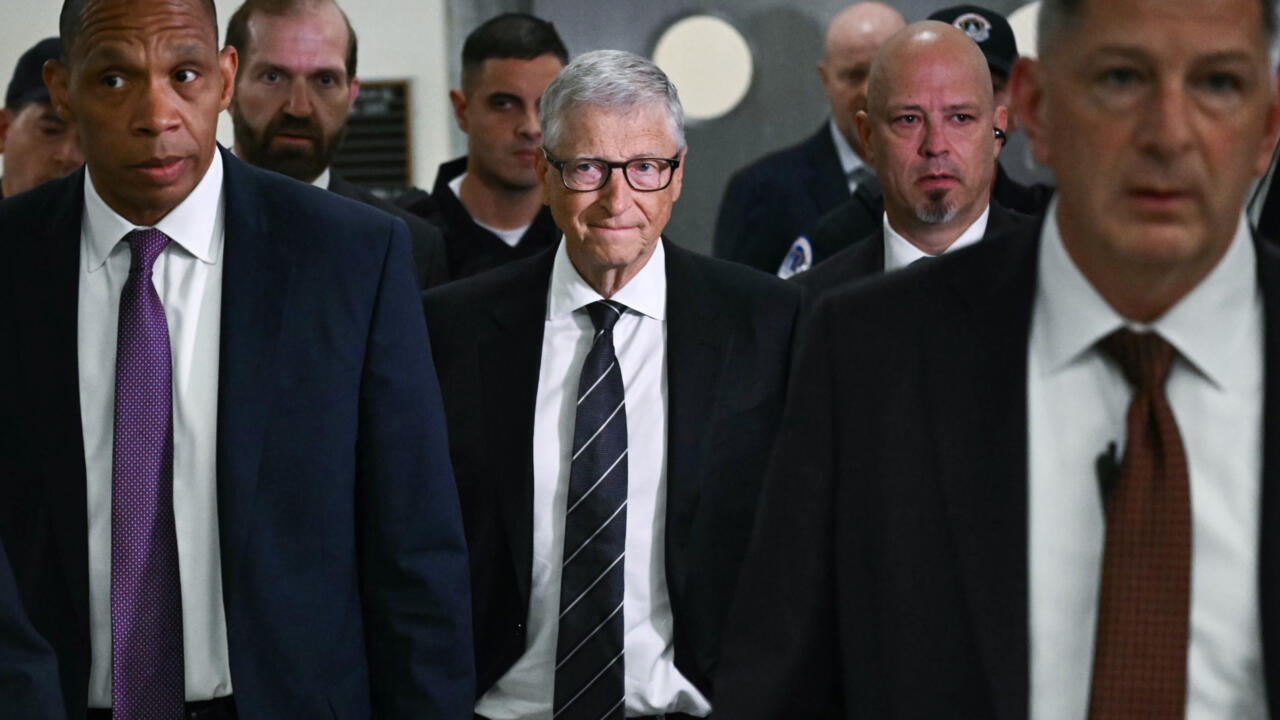
Bill Gates testified before the US House Oversight Committee on Wednesday, characterising his past meetings with disgraced financier Jeffrey Epstein as a “grave error in judgment” while firmly denying any knowledge of Epstein’s criminal conduct. The Microsoft co-founder appeared in a closed-door deposition requested by Committee Chairman James Comer after Gates’ name appeared repeatedly in documents released by the Justice Department as part of its ongoing probe into the late financier.
Gates, who chairs the Gates Foundation, stated in an opening statement provided to The Associated Press that he “should never have met with Epstein in the first place.” He maintained that he never witnessed nor had any indication that Epstein was engaged in ongoing criminal activity, asserting that he never visited Epstein’s private island or other infamous properties. The committee chairman noted that the inquiry was focused on understanding how government mechanisms failed to intervene earlier, rather than solely targeting individual associations.
The relationship between the two men began in 2011, three years after Epstein pleaded guilty to soliciting prostitution from a minor, according to Justice Department files. Gates testified that he was introduced to Epstein through associates in professional and philanthropic circles and was drawn in by claims that the financier could help raise billions of dollars for global health initiatives. However, Gates severed ties in 2014 after concluding that Epstein could not deliver on these financial promises.
Lawmakers questioned Gates extensively on why he continued interacting with Epstein following the 2008 guilty plea. Rep. Robert Garcia, the top-ranking Democrat on the committee, described Gates’ actions as a “horrific judgment call,” noting that Gates was aware of the conviction yet continued to interact with him to seek funding for his foundation. Other Democratic members, including Rep. Melanie Stansbury, reported that Gates acknowledged maintaining contact because he viewed the relationship as an acceptable means to access wealthy donors.
Accounts of the testimony varied among lawmakers as they exited the room. While some Democrats described Gates as cooperative and forthcoming, others characterised his responses as combative. Republican Rep. Tim Burchett described the questioning as “intense.” Gates reiterated that he never victimised anyone and was never interested in fostering a personal relationship with Epstein, despite the financier’s attempts to do so.
The Gates Foundation confirmed in February that a small number of employees had met with Epstein based on his claims to mobilise philanthropic resources, but no charitable fund was created and no payments were made. Gates stated he hoped his voluntary appearance would assist lawmakers in finding justice for the victims, adding that his association with Epstein had created tension within his marriage.
Committee Chairman Comer indicated that the investigation remains active, with plans to request testimony from attorney Alan Dershowitz and ongoing communication with Acting Attorney General Todd Blanche. The inquiry follows previous closed-door depositions involving other high-profile figures, including former President Bill Clinton, who has also denied any wrongdoing regarding his association with Epstein.