Garmin Cirqa vs Fitbit Air: Where the $100 Price Gap Matters
With the Garmin Cirqa priced at $200 and the Fitbit Air at $100, buyers must weigh hardware specs against subscription models and target user profiles.
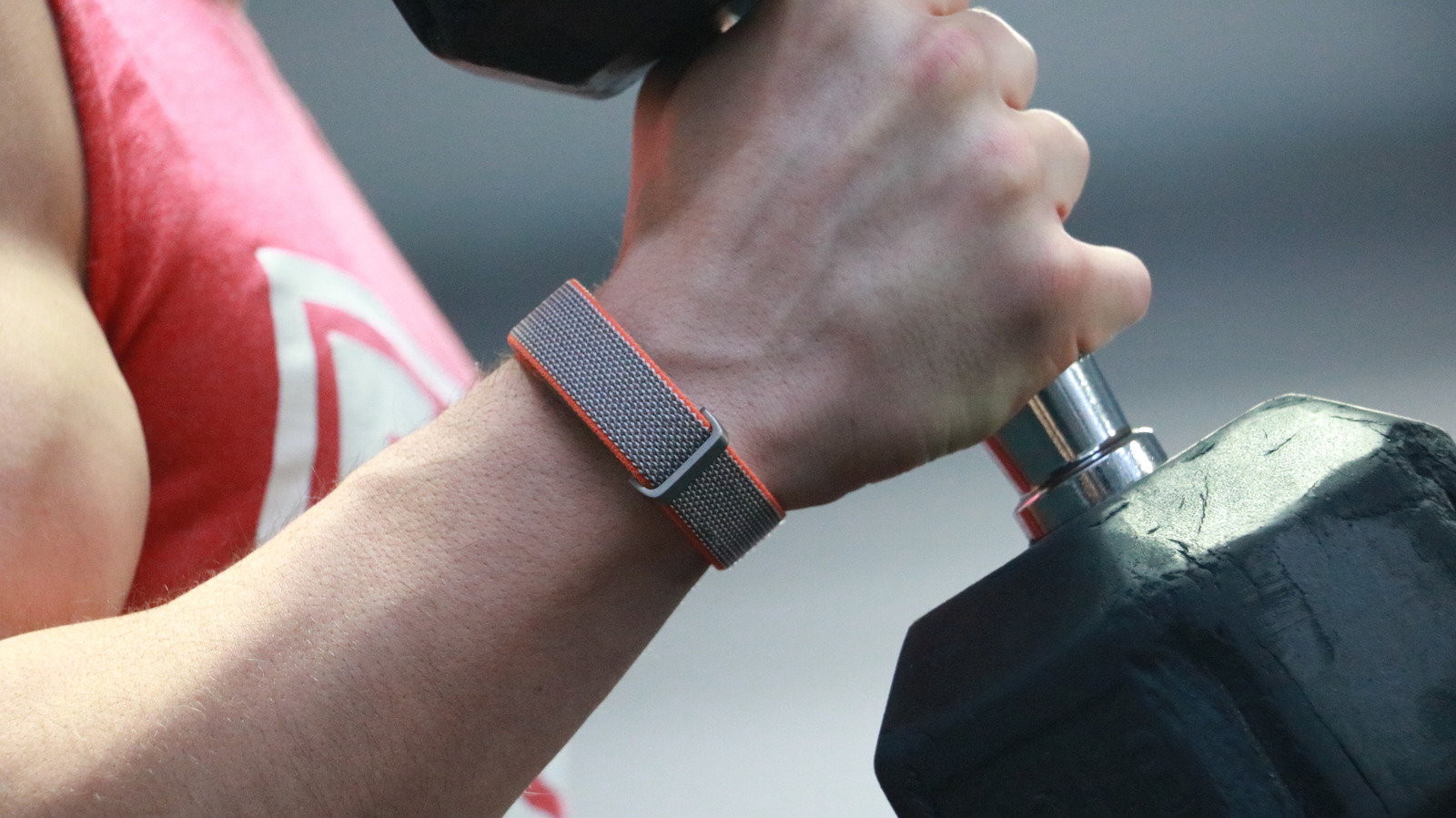
A new entrant has entered the screenless wearable market, challenging established players like Whoop. Engadget has published a comparative review of the Garmin Cirqa and the Google Fitbit Air, two devices designed to operate with minimal user interaction. While both trackers share core functionalities, the $100 price differential between the Cirqa and the Air suggests diverging strategies for different consumer segments.
Both devices offer fundamental tracking for steps, sleep, and workouts, alongside heart health analysis and 50m water resistance suitable for light swimming. They also share technical limitations, notably the absence of built-in GPS, requiring reliance on phone-connected location services. However, the Cirqa is positioned for serious athletic training, whereas the Fitbit Air targets holistic wellness, a distinction reflected in their respective software ecosystems and hardware design.
Hardware specifications highlight the Fitbit Air’s focus on discretion. Weighing just 12g with its band and measuring 17 x 34.9 x 8.3 mm, the Air is significantly smaller and lighter than the Cirqa, which weighs 20.7g and measures 27 x 47 x 9 mm. Battery life is comparable, with the Cirqa offering a purported 10-day lifespan against the Air’s seven days. Both devices require approximately 90 minutes for a full charge, though the Fitbit Air includes a quick-charge feature capable of providing a day’s worth of power in five minutes.
Interaction methods further separate the two products. The Cirqa features a physical side button for manual workout logging, allowing users to start tracking precisely without navigating a companion app. The Fitbit Air lacks a button, relying entirely on automatic workout recognition. This design choice aligns with the Air’s broader strategy of passive data collection, while the Cirqa caters to users who prefer manual control over their training sessions.
Subscription models present a complex cost analysis. Garmin Connect+ is priced at $7 per month, while Google Health Premium costs $10 per month. The Cirqa includes most analytics, such as Training Status, Body Battery, and Fitness Age, without a subscription, making Connect+ optional for guided breathwork or custom workout design. In contrast, the Fitbit Air’s advanced features, including detailed sleep tracking and AI-driven insights powered by Google’s Gemini, are largely gated behind the Health Premium subscription.
Despite the higher upfront cost, Engadget notes that the Cirqa may become more cost-effective than the Fitbit Air after approximately three years when cumulative subscription fees are factored in. Both devices remain cheaper than competitors like Whoop, which has shifted away from its free-device model in some markets, with subscriptions starting at $199 annually in the United States.
Ultimately, the choice depends on the user’s fitness philosophy. The Fitbit Air, released in May, offers an accessible entry point for beginners prioritising general wellness and AI-assisted coaching. The Garmin Cirqa, with its deeper metrics and manual controls, serves as a more robust tool for dedicated athletes seeking granular performance data.