Gambian women transform grief into collective healing through Kanyeleng tradition
In Bakau, The Gambia, over 100 Kanyeleng groups provide a structured space for women to navigate the social stigma of childlessness and the trauma of pregnancy loss through song, ritual, and mutual aid.
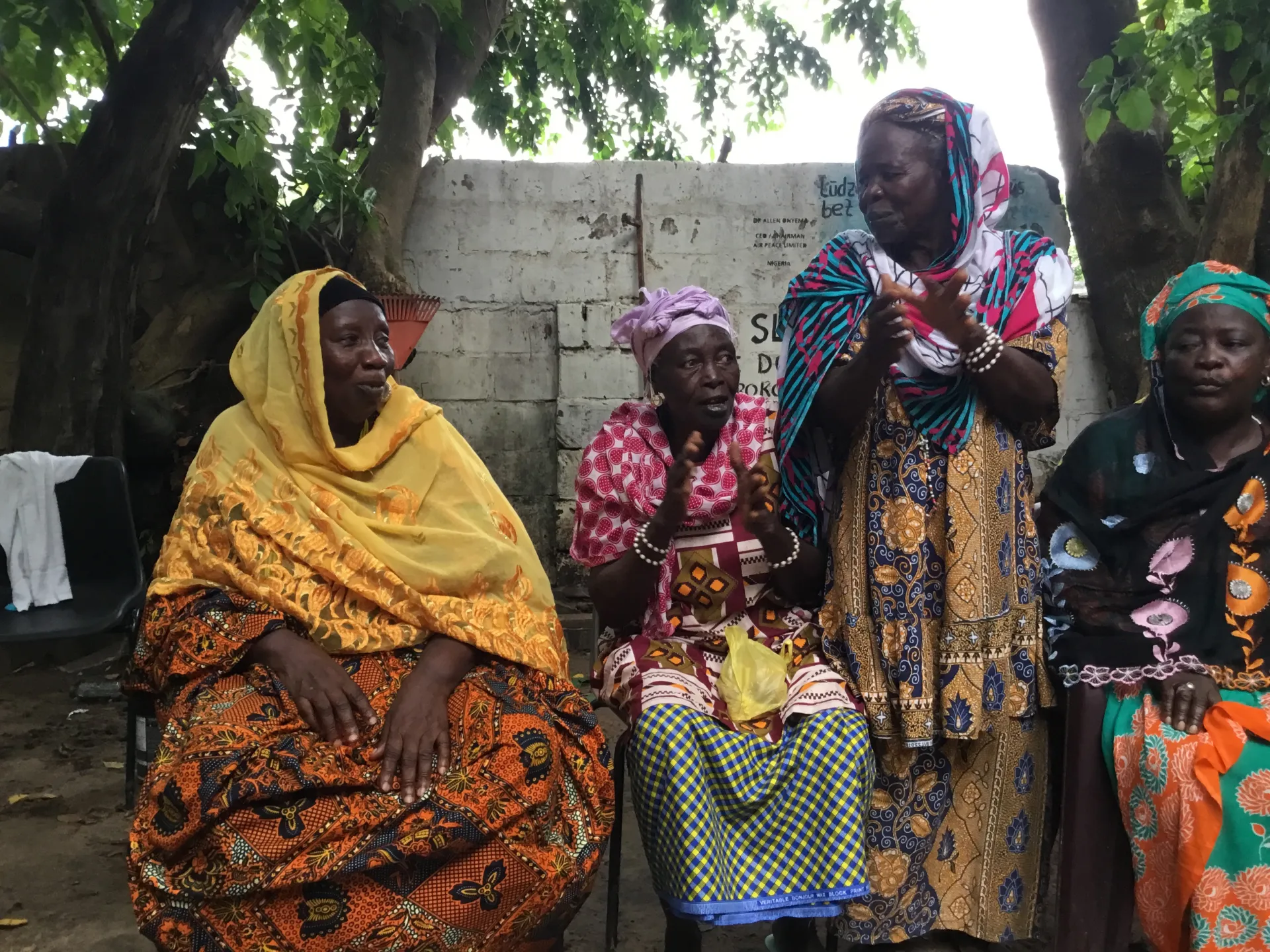
In the coastal town of Bakau, near The Gambia’s capital of Banjul, a tradition known as Kanyeleng provides a structured response to the private tragedies of infertility, miscarriage, and infant mortality. Comprising more than 100 groups nationwide, the practice allows women to transform individual grief into collective healing through music, ritual, and financial solidarity. While the tradition is deeply rooted in Mandinka culture, it operates across ethnic lines, offering a safe space for women to challenge the social stigma surrounding childlessness in a predominantly Muslim society.
The gatherings, often held on Sunday evenings, feature women dressed in oversized men’s shirts and loose trousers, a symbolic gesture of strength. They sing in Mandinka, accompanied by the hollow beat of an inverted plastic bucket, performing at weddings and naming ceremonies. However, the public performance masks a deeper function: a support network for women who have endured repeated pregnancy losses. Members contribute 200 dalasis, approximately $2.70, monthly to a shared fund designed to assist those facing hardship, illness, or bereavement.
The tradition’s resilience is illustrated by the experiences of its members, many of whom have navigated significant personal loss. Mentending Trawally, 84, joined the group after five pregnancies ended in miscarriage. She recalls the isolation of her community, where motherhood dictated a woman’s value, and found solace in a circle of women who understood her pain without explanation. Similarly, Tida Fofana, a member since 1965, faced the social pressure of polygyny after three years of infertility. Her husband took a second wife, a common practice in The Gambia, yet Fofana maintained her dignity within the Kanyeleng community, which offered her a sense of belonging despite her inability to bear children.
For younger members, the tradition provides a critical counterpoint to high maternal and neonatal mortality rates. Suntukung, 28, sought out the Kanyeleng after a series of miscarriages left her isolated and questioned by her community. Following advice from a marabout and her cousin, she travelled to Bakau to join the group. Upon her arrival, she was given the protective name Suntukung, believed to shield mothers and future children from spirits associated with infant death. The group’s welcome, involving song, prayer, and the pouring of water and porridge, marked her transition from a woman defined by loss to one integrated into a supportive family structure.
The Kanyeleng also addresses the profound grief of those who have lost children after birth. Naju Ceesay, 58, keeps a box of keepsakes from her four stillborn children and her daughter Amina, who died at six months. She describes the Kanyeleng as a space where grief does not diminish with time, but is shared and validated. Psychologists note that the practice resembles collective grief work, allowing women to express pain that is often hidden in public discourse. Historian Hassoum Ceesay notes that while similar traditions exist in neighbouring countries under different ethnic names, the Kanyeleng remains a vital institution for preserving cultural heritage and providing emotional resilience in The Gambia.
As the older generation passes the songs to younger women, the tradition ensures its continuity. Trawally, who no longer sings as loudly as she once did, watches the younger voices carry the verses forward. The Kanyeleng remains a testament to the strength of women who have been judged by what they could not do, creating a community where they are recognised for who they are.