Gabon’s capital struggles with water crisis as emergency measures falter
The Gabonese government has deployed military engineers and declared a state of emergency, but relief efforts are undermined by alleged exploitation of supply schemes by private distributors.
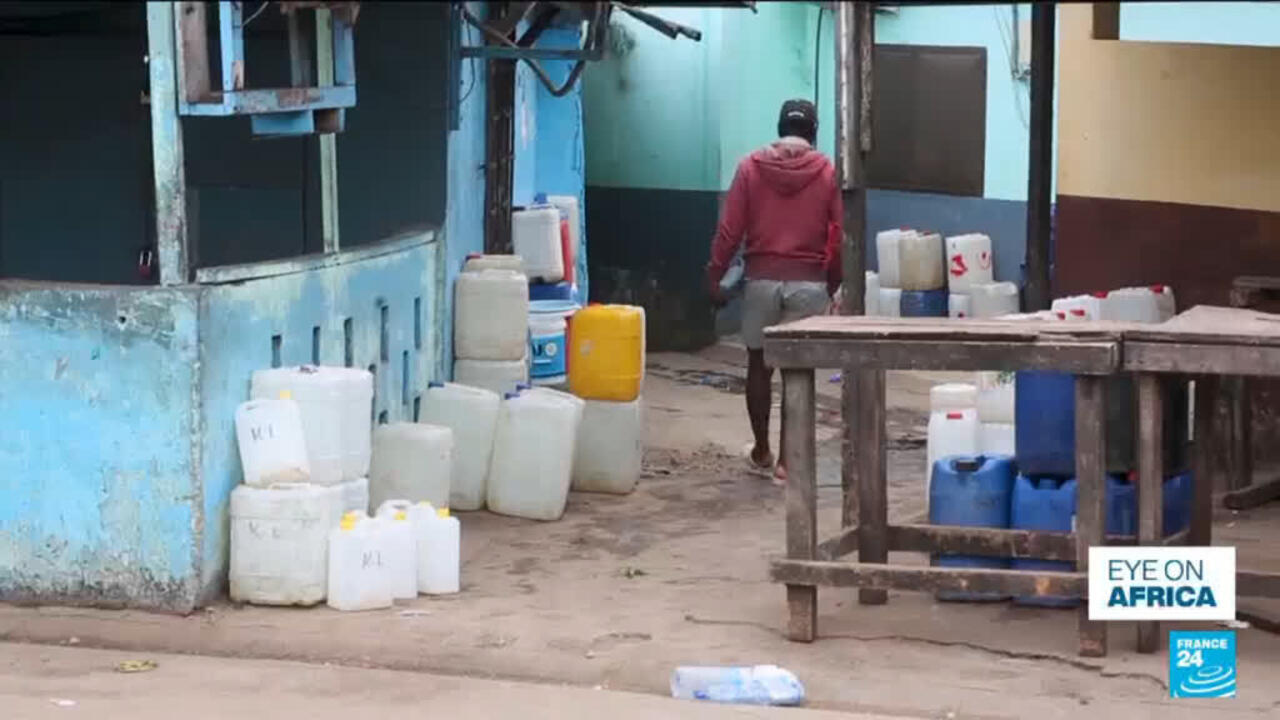
Libreville has been grappling with severe water shortages for several months, a crisis driven by a convergence of climatic, structural, and demographic pressures. According to reports from France 24, the capital’s supply issues stem from low rainfall, ageing infrastructure, and rising demand from a growing population. The persistence of the shortage has placed significant strain on municipal governance and public services.
In response to the escalating situation, the Gabonese government declared a state of emergency earlier this month. As part of the immediate response, authorities called in military engineers to assist with relief efforts and infrastructure management. The deployment of military personnel underscores the severity of the infrastructure failure and the government’s intent to assert control over the critical water supply chain.
Despite these interventions, the crisis has not abated. A government-issued water distribution plan designed to allocate supplies to affected neighbourhoods has failed to ease the shortage. Reports indicate that the scheme’s effectiveness was compromised after private water distributors reportedly took advantage of the distribution framework, undermining the intended relief efforts.
The involvement of private actors in the distribution network has complicated the government’s response. While military engineers have been deployed to support operations, the persistence of the shortage suggests that logistical and regulatory challenges remain unresolved. The failure of the distribution plan highlights the difficulties in coordinating public emergency measures with existing private market structures.
As the state of emergency continues, the situation in Libreville remains unstable. The combination of environmental factors, infrastructure decay, and market exploitation has created a complex governance challenge. Authorities are yet to restore normal supply levels, leaving residents to navigate ongoing disruptions while the government assesses the next steps in managing the crisis.