Funerals held in eastern Afghanistan after Pakistani strikes
Gathering marks the aftermath of cross-border military action, with reports citing civilian casualties and large-scale public mourning in the region.
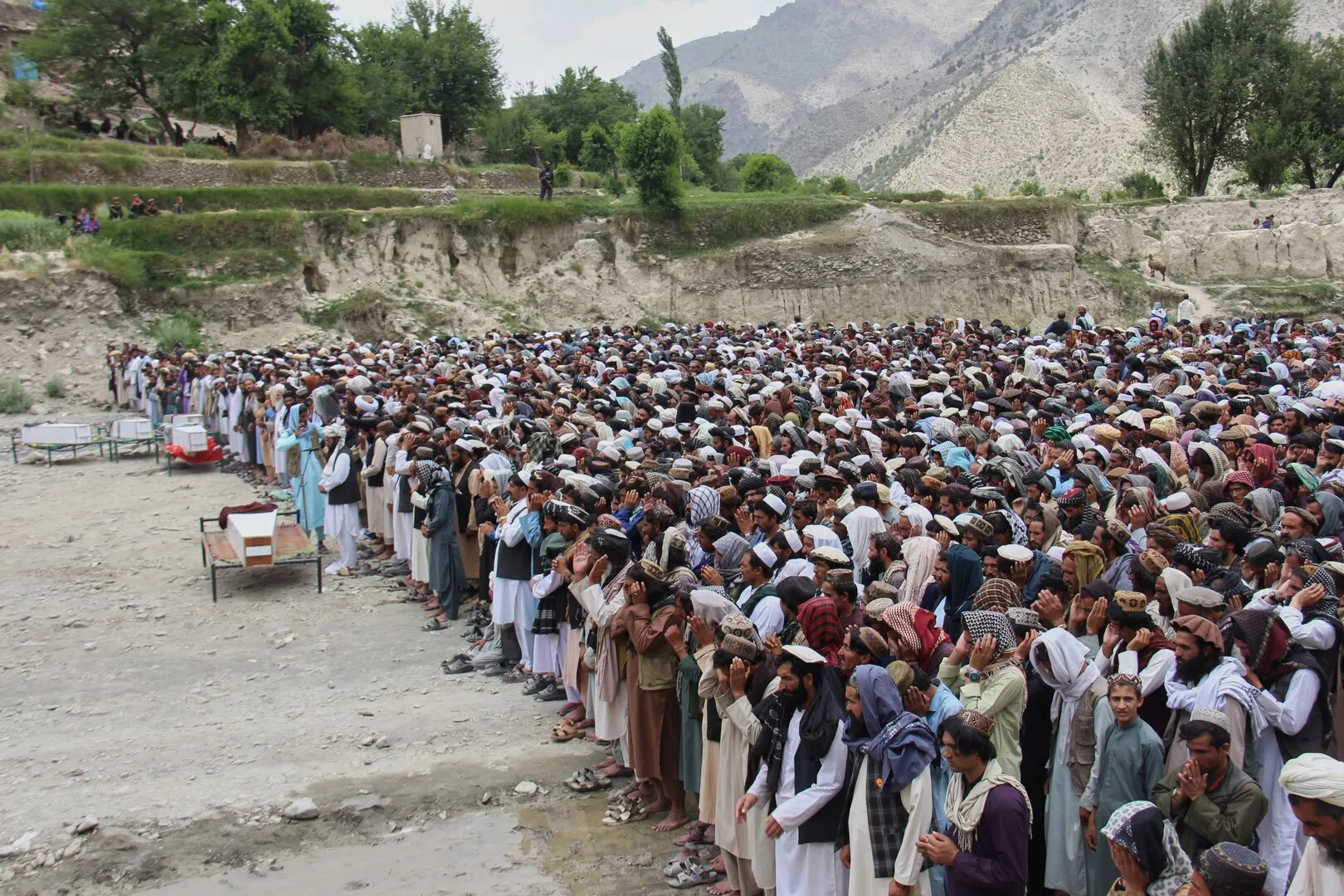
Hundreds of people gathered in eastern Afghanistan to attend funeral services for individuals killed in Pakistani airstrikes, according to Al Jazeera Global News. The event underscores the ongoing security tensions between the two nations, with the source attributing the deaths directly to military action conducted by Pakistan.
The funerals were held in eastern Afghanistan, a region that has frequently been the focal point of cross-border friction. While the source identifies the victims as civilians, official casualty breakdowns or independent verification of their status have not been provided in the available reporting. The precise number of those killed remains unspecified in the current record.
Attendance at the services was significant, with hundreds of mourners present. The scale of the gathering highlights the local impact of the strikes, although the specific location within eastern Afghanistan was not detailed in the source material. The event took place following the airstrikes, which the source describes as deadly.
Attribution of responsibility for the strikes rests with Pakistan, as stated in the Al Jazeera report. However, the source does not provide independent confirmation of state-level decision-making processes or the specific military entities involved. The classification of the victims and the nature of the military operation are presented as claims within the reporting framework.
This incident contributes to the broader context of regional security dynamics between Pakistan and Afghanistan. The reporting does not link this event to other concurrent international conflicts, such as those involving Israel, Lebanon, or France, maintaining a distinct focus on the bilateral tensions in South Asia.
The date of the report is listed as 11 June 2026. The timeline of the strikes relative to the funeral services is implied by the sequence of events, but no specific chronology of the military action itself is provided in the source text. The focus remains on the public mourning and the reported cause of death.
As the situation develops, the distinction between reported claims and verified facts remains critical. The source material provides a narrative of civilian casualties and state military action, but lacks the granular data typically required for comprehensive policy analysis. The immediate aftermath is characterised by public commemoration rather than official diplomatic statements.