FT commentary: Warsh’s chance for lasting Fed reform hinges on framework changes
A Financial Times analysis suggests Christopher Warsh can only secure enduring structural changes at the Federal Reserve by revising its core inflation and balance-sheet frameworks.
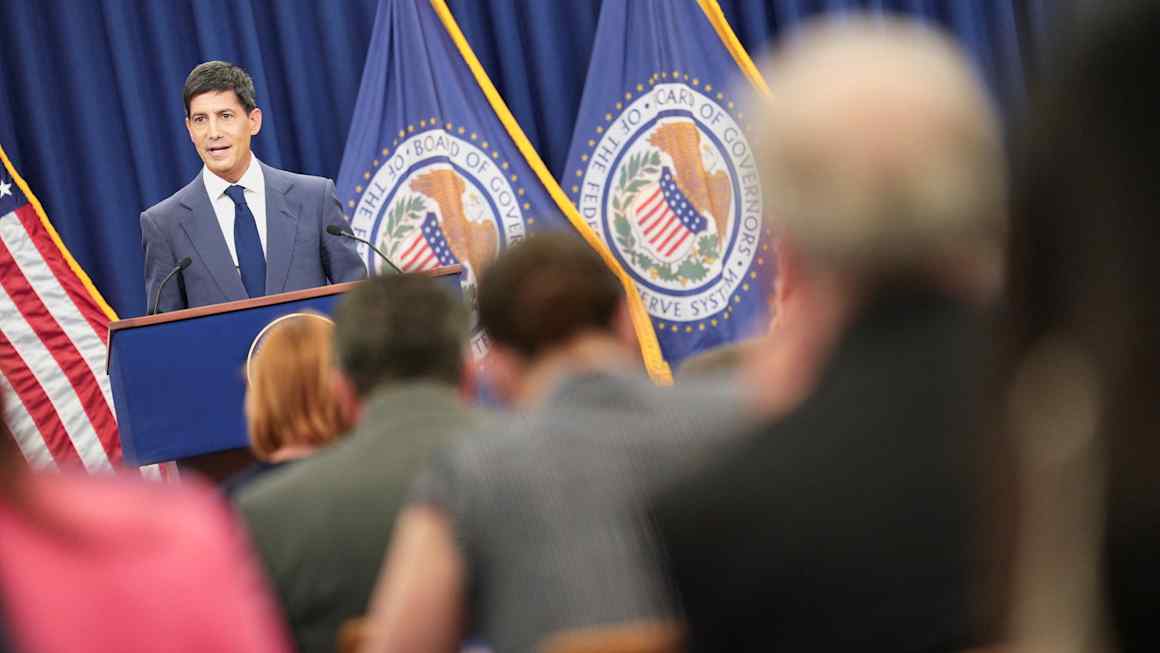
Financial Times commentary indicates that Christopher Warsh, a nominee for the Federal Reserve Board of Governors, has a distinct opportunity to implement significant structural reforms during his tenure. The analysis posits that modifying the central bank’s inflation targeting and balance-sheet management frameworks is essential for achieving lasting policy change.
The Federal Reserve is currently navigating a complex post-pandemic monetary policy environment. This period is characterised by ongoing adjustments to interest rates and the process of balance-sheet normalization. Within this context, the FT suggests that Warsh’s ability to enact enduring reform will depend heavily on his approach to these specific operational frameworks.
The commentary frames the revision of these frameworks as a critical component for Warsh’s potential legacy. Rather than focusing solely on immediate interest rate decisions, the analysis highlights the need for structural adjustments to the tools used to manage the central bank’s balance sheet and its inflation objectives.
It is important to note that the source material is identified as commentary rather than a factual report of an official announcement. The perspective represents an analytical opinion on what Warsh should prioritise, rather than confirmed policy action or a definitive statement on the Fed’s future direction.
The term "lasting reform" remains subjective within the source material and is not explicitly defined. Consequently, the suggestions regarding the necessity of changing frameworks should be understood as the FT’s viewpoint on potential strategic priorities for the nominee, rather than established fact or official guidance.