FSB chief’s claim of Western plot to weaponise ex-ISIL fighters dismissed as unsubstantiated rhetoric
Alexander Bortnikov’s assertion that Western intelligence is utilising former Syrian militants against Iran lacks evidence and has been rejected by experts, who point to a history of similar unsubstantiated claims by Moscow’s security apparatus.
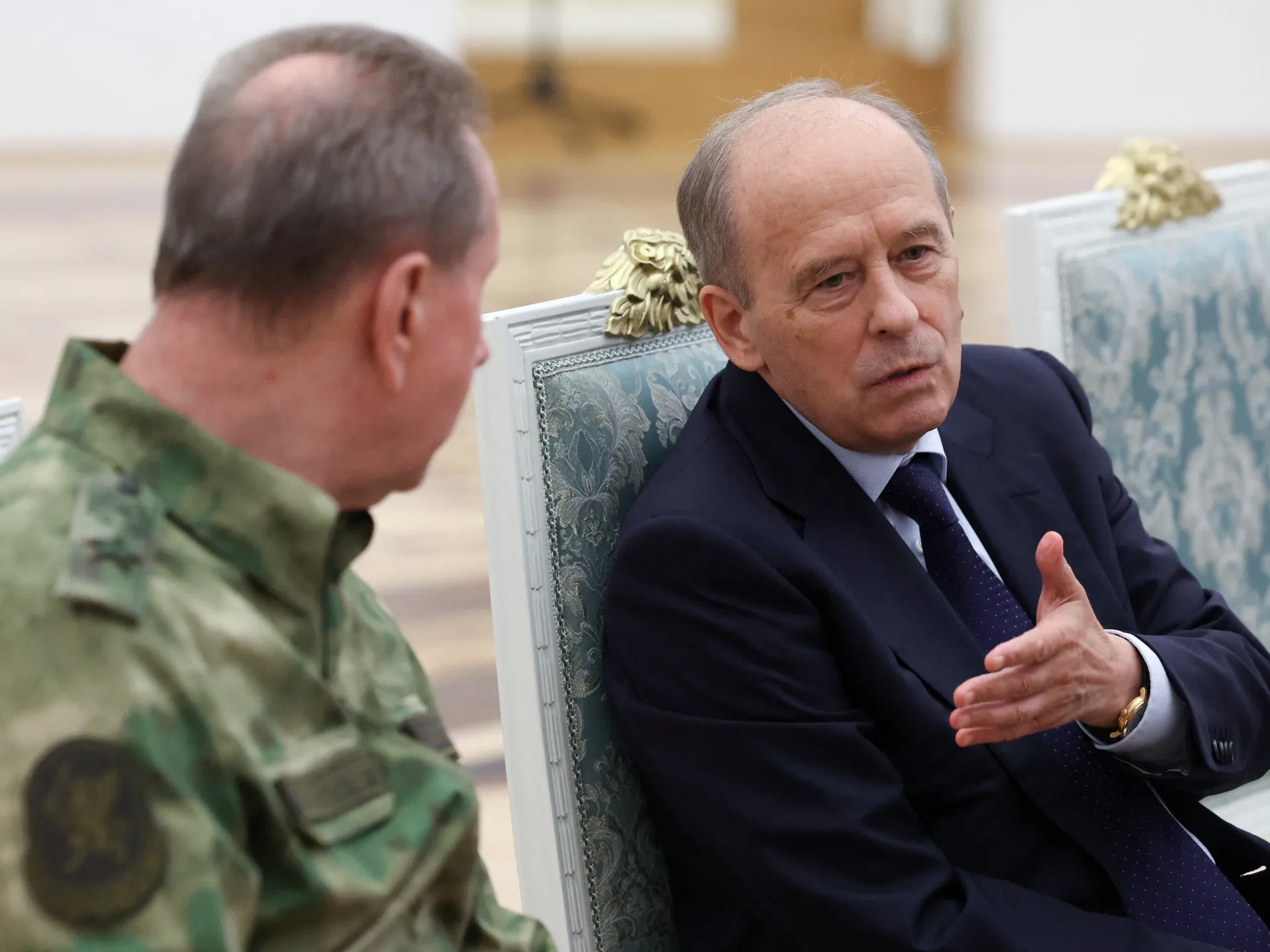
Alexander Bortnikov, head of Russia’s Federal Security Service (FSB), alleged in late May that Western intelligence services are attempting to utilise former ISIL fighters from Syria as proxy forces against Iran. The claim was made during a meeting of intelligence officials from eight former Soviet nations, where Bortnikov stated that Western powers were failing to abandon their efforts to employ militant terrorists in a war against Tehran.
The assertion has been widely dismissed by analysts and critics as unsubstantiated rhetoric. Bortnikov did not specify which Western nation’s intelligence service was allegedly involved, nor did he present evidence such as intercepted conversations or photographs to support the accusation. Critics suggest the statement was an attempt to influence former Soviet republics and restore Moscow’s regional clout, rather than a disclosure of genuine intelligence.
Gennady Gudkov, an ex-KGB officer and lawmaker-turned-Putin critic, described the claims as lacking any proof or factual basis. Gudkov, who served in the KGB in the 1980s, argued that the allegations reflect a lack of oversight over Russian security agencies. He stated that when parliamentary and judicial control over such agencies was removed, they understood they could lie about anything without consequence.
Nikolay Mitrokhin, an expert with Germany’s Bremen University, suggested that Bortnikov’s analysts may have interpreted messages from jailed agents in Iraq to create a political construction that aligns with what President Vladimir Putin wants to hear. Mitrokhin noted that while statements by Russian special services are often enigmatic, deciphering them reveals they are based on unknown premises rather than verified operations.
Other experts echoed the scepticism regarding the operational reality of the claim. Ruslan Suleymanov, an associate fellow at the New Eurasian Strategies Centre, described the information as mostly rumours, though he noted that some former members of Hayat Tahrir al-Sham have moved to Afghanistan where the ISIL affiliate operates. Nikita Smagin, an expert on Russia-Iran ties, suggested that while building ties with former fighters is possible, it does not necessarily mean these forces would march against Iran.
Emil Mustafayev, chief editor of the Minval Politika magazine in Baku, described Bortnikov’s words as information-political rhetoric rather than a reflection of reality. The FSB chief has a history of making similar unsubstantiated allegations, including against British intelligence in October 2025, which the UK dismissed as utter nonsense.
Coverage of Bortnikov’s recent speech in Russia was limited to several reports in Kremlin-controlled media, with no pro-Kremlin pundits expounding on it in op-eds or on television. President Vladimir Putin did not repeat the claims, and no ex-Soviet security officers who attended the summit publicly backed the assertion.