From moral panic to multimillion-dollar asset: Pokémon’s 30-year journey in Australia
As Pokémon marks three decades in Australia, the contrast between early fears of addiction and its current status as a cultural and economic powerhouse is stark.
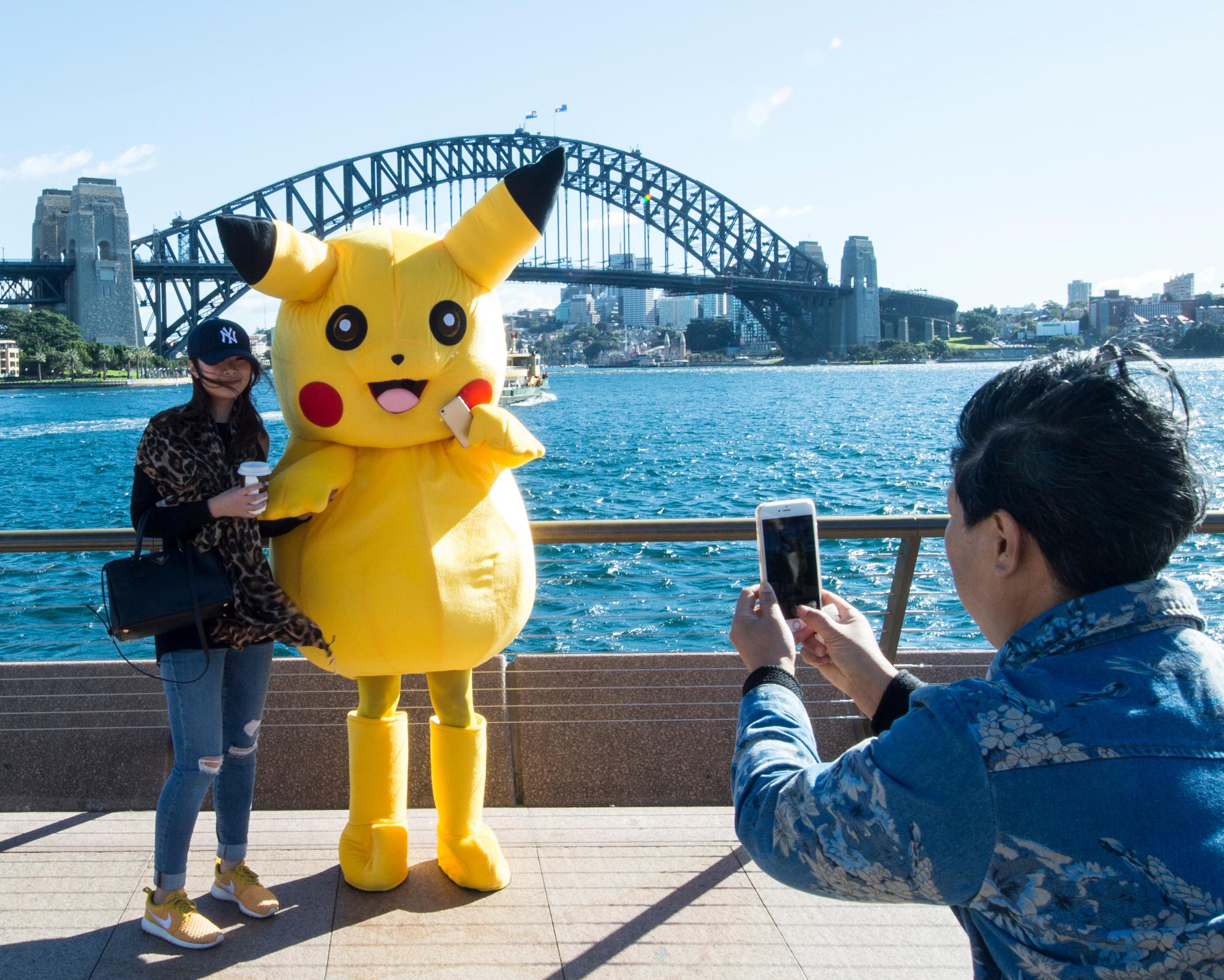
Pokémon is celebrating its 30th anniversary in Australia, marking three decades since the franchise’s debut via the Cheez TV program in September 1998. Originally created by Satoshi Tajiri and developed by Game Freak, the title was released in Japan by Nintendo as a swan song for the Game Boy. Two years after its Japanese launch, it arrived in the West, crashing into the Australian children’s breakfast market and dominating the landscape by stealing the crown from Channel Seven’s Agro.
The initial reception was defined by intense moral panic. Australian media, including Channel Seven and ABC Radio, framed the game as a national security threat, citing concerns over violence, addiction, and animal abuse. Pastor Chas Gullo warned of children turning to witchcraft, while ABC’s Mark Colvin questioned whether the slogan “gotta catch ’em all” referred to the characters or the company’s aims. These fears led to school-wide bans on trading cards, which were met with student protests and sit-ins across the country.
Despite the backlash, the franchise achieved immediate commercial success. The original Game Boy games sold more than 400 million copies worldwide, inviting players to explore the Kanto region to collect and battle creatures. When the Pokémon Trading Card Game was released in 1999, Australians spent $11 million on cards in the first two months. The hobby became so pervasive that recesses resembled gambling games, prompting further institutional restrictions and student activism to defend the pastime.
The hysteria often overlooked the social mechanics of the game, which required interaction, trust, and community to succeed. Fans connected across cultural and linguistic barriers, sharing a common language through characters like Pikachu, Gengar, and Cubone. This global connectivity fostered a sense of belonging for young fans, transforming what was portrayed as an isolating vice into a shared, communal experience that linked players across the globe.
Today, Pokémon stands as the single largest media franchise in the world, encompassing games, toys, a new theme park, and crockery. The trading card market remains a significant economic force, with the most valuable card auctioning for $16.5 million. This high value has recently sparked a wave of hobby-shop burglaries across Australia, echoing the earlier controversies but underscoring the franchise’s enduring cultural and financial power.