Ashley Kahn’s new book re-examines the legacy of Paul Simon’s Graceland
Marking the 40th anniversary of the 1986 classic, a new publication details the recording sessions in Johannesburg and the enduring debates surrounding the album’s creation.
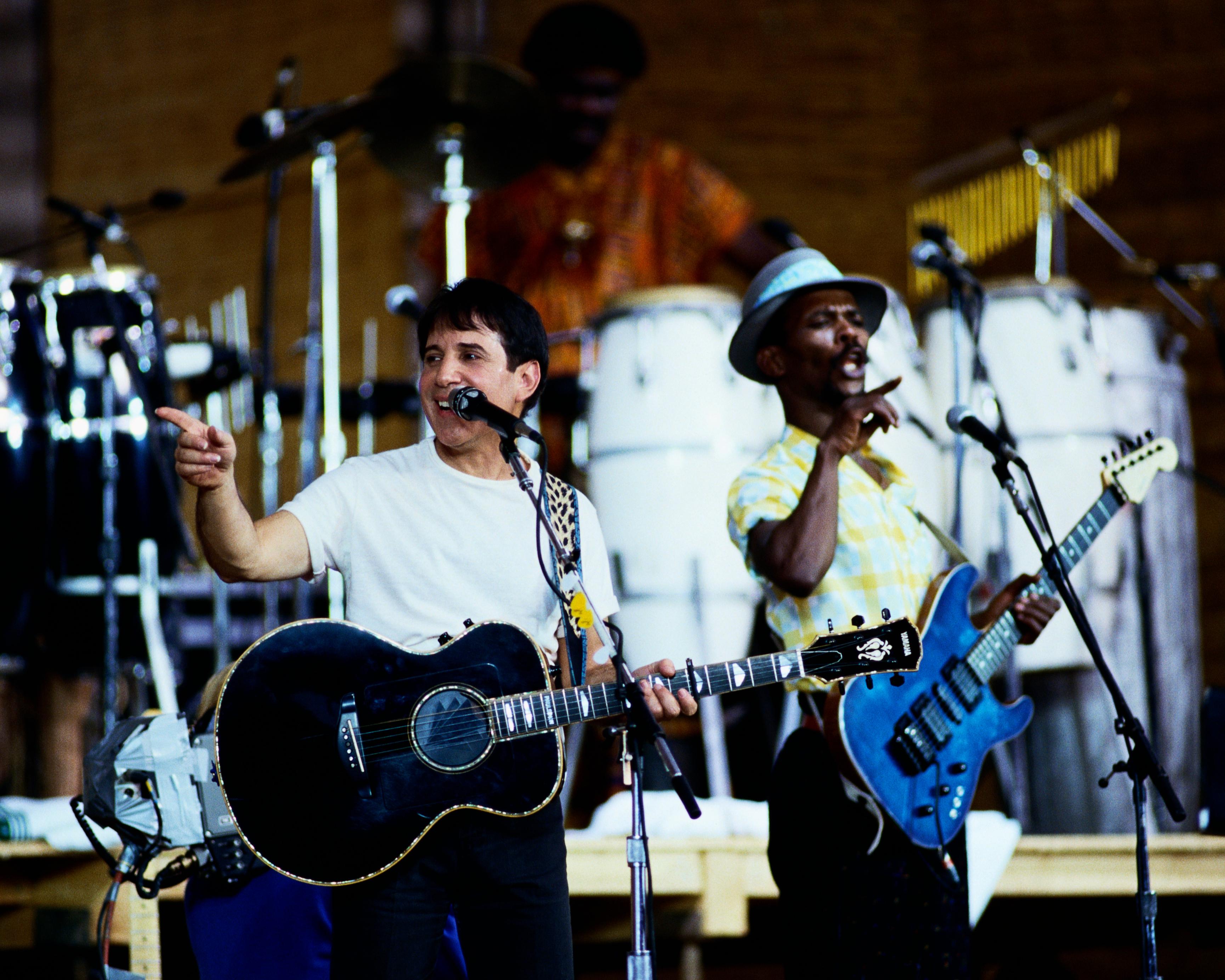
Ashley Kahn has published Days of Miracle and Wonder, a new book that examines the creation and legacy of Paul Simon’s 1986 album Graceland. The publication coincides with the 40th anniversary of the record, which remains a defining work in Simon’s discography. Kahn’s account traces the album’s gestation, from Simon’s initial exposure to South African mbaqanga on a bootleg tape to the final production stages in New York.
The book provides detailed insight into Simon’s recording sessions in Johannesburg, where he collaborated with musicians such as General MD Shirinda, Tao Ea Matsekha, and the Boyoyo Boys. Kahn notes that Simon’s approach was a profound shift for the artist, who typically began with an acoustic guitar. Instead, Simon built the music from the rhythm up, a process Kahn compares to the production techniques of hip-hop. This method allowed Simon to develop melodies while engineers tracked the grooves of the South African groups.
The album’s creation occurred against the backdrop of the United Nations’ 1980 cultural boycott of apartheid. Kahn addresses the controversy surrounding Simon’s decision to record in South Africa, noting that the manager of the Soul Brothers warned Simon that the sessions might constitute a violation of the boycott. Despite the political climate, Kahn asserts that Simon was mindful of the musicians’ rights, paying South African artists triple the daily rate of American union musicians.
The UN’s special committee against apartheid initially censured Simon and planned to add him to the list of performers who violated the boycott. However, this decision was reversed after Simon wrote to the committee clarifying that he understood the ban focused on performing rather than recording, and that he had no intention of performing in South Africa. Kahn observes that while the situation was complex, there was no set formula for navigating the ethical implications of the time.
Beyond the political context, the book explores Simon’s creative process and personal state during the album’s production. Kahn describes Simon using a rubber ball to enter a "Zen-like state" for lyric writing, aiming to silence distractions. The word "Graceland" itself began as a placeholder in the title track before evolving into a figurative destination, reflecting Simon’s attempts to mend his heart following his divorce from Carrie Fisher.
Graceland achieved commercial success, peaking at No 3 on the Billboard 200 chart, and received critical acclaim including Grammy Awards and performances on Saturday Night Live. The album’s influence has extended to contemporary artists such as Vampire Weekend and Lorde. Kahn suggests that the enduring conversations about cultural appropriation and systemic racism are a testament to the album’s power, stating that Graceland provided a way to talk about these issues.