From Duke to Wireless: Microsoft marks 25 years of Xbox controller evolution
As the original Xbox turns 25, a retrospective traces how the controller shrank from a 14-ounce behemoth to a refined 9.8-ounce device, while retaining its signature layout.
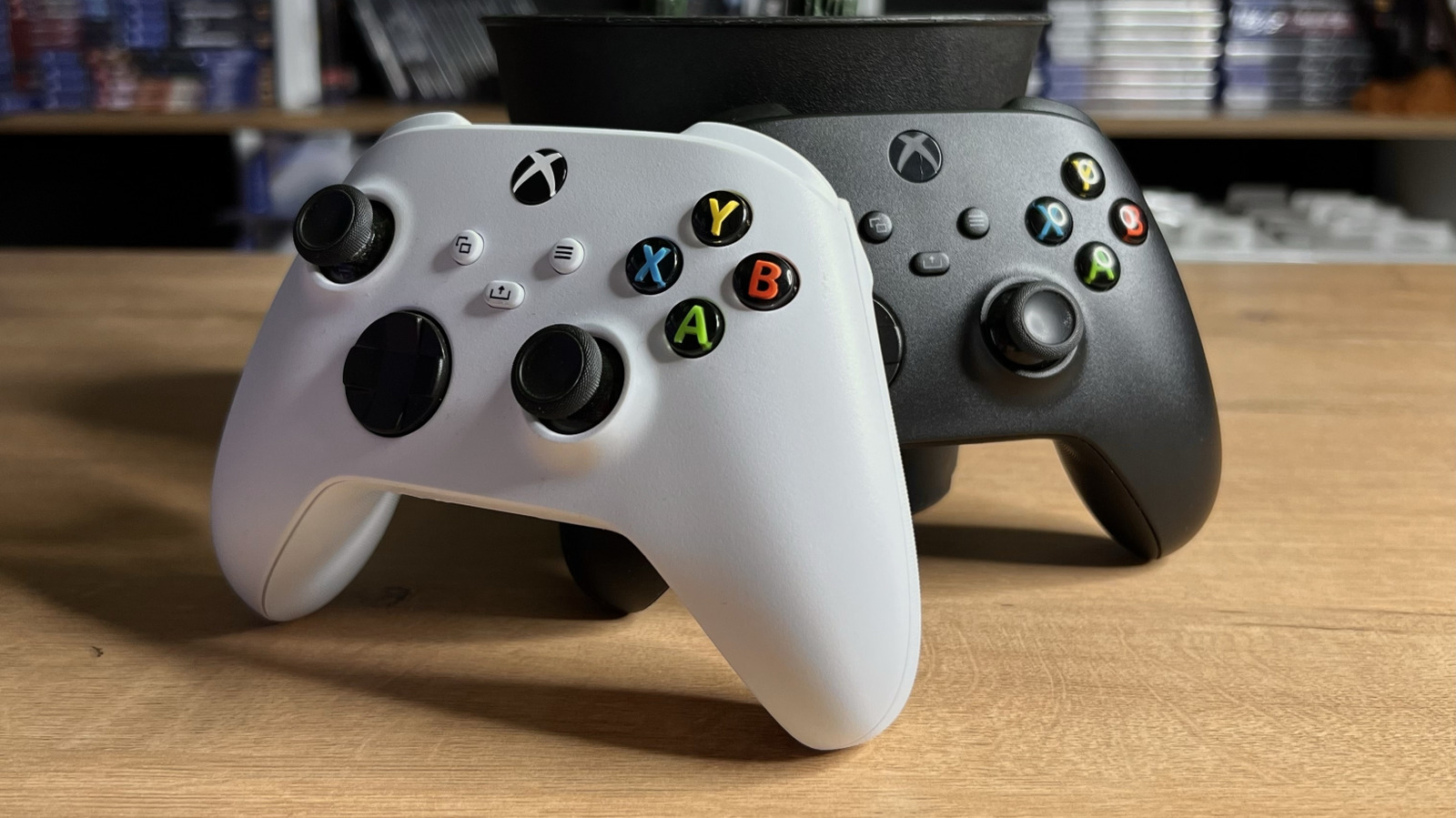
Microsoft has marked the 25th anniversary of the original Xbox by reviewing the design trajectory of its console controllers. The retrospective, published by Engadget, traces the progression from the large, wired "Duke" controller of 2001 to the current Xbox Wireless Controller. While the hardware has undergone significant refinement over the last quarter-century, core elements such as the asymmetrical stick layout and coloured ABXY buttons have remained constant since the platform's launch.
The original controller, nicknamed "Duke" after the son of Xbox hardware project manager Brett Schnepf, was a substantial device. Measuring 7 inches wide, 5.5 inches tall, and 2.7 inches thick, it weighed 14 ounces. Its size was partly dictated by the original Xbox console, which weighed 8.8 pounds and featured removable memory cards that slotted into the back of the controller rather than the console itself. This design accommodated two 8MB Xbox Memory Units, contributing to the peripheral's bulk.
In response to complaints regarding the original controller's size, particularly from the Japanese market, Microsoft released the smaller Xbox Controller S in early 2002. This streamlined gamepad set the aesthetic tone for future Microsoft peripherals. The next major shift arrived with the Xbox 360 in 2005, which introduced wireless connectivity and LB/RB shoulder buttons, replacing the earlier black and white face buttons. This generation also established the use of AA batteries for standard wireless pads, a practice that continues today.
The Xbox One generation brought further refinements, including a more accurate D-pad, Impulse Triggers for rumble feedback, and a 3.5mm headphone jack. Bluetooth support was also added, improving connectivity to PCs. The current Xbox Wireless Controller builds on these foundations with a dedicated Share button for screenshots and video capture, textured grips for better handling, and improved battery life.
The latest controller weighs approximately 9.8 ounces, a significant reduction from the original Duke. It offers a maximum battery life of 40 hours, compared to the 12-hour maximum of the PlayStation 5 DualSense. For those seeking more advanced features, the Xbox Elite Wireless Controller Series 2 remains the premium option. Priced at $200, it includes removable rear paddles, adjustable-tension thumbsticks, and trigger locks, though it costs almost half as much as an Xbox Series S console.