French woman critically ill on artificial lung as hantavirus outbreak on MV Hondius spreads
A French passenger repatriated from the MV Hondius requires intensive life support, while health authorities in the Netherlands and Spain manage secondary cases and staff exposures.
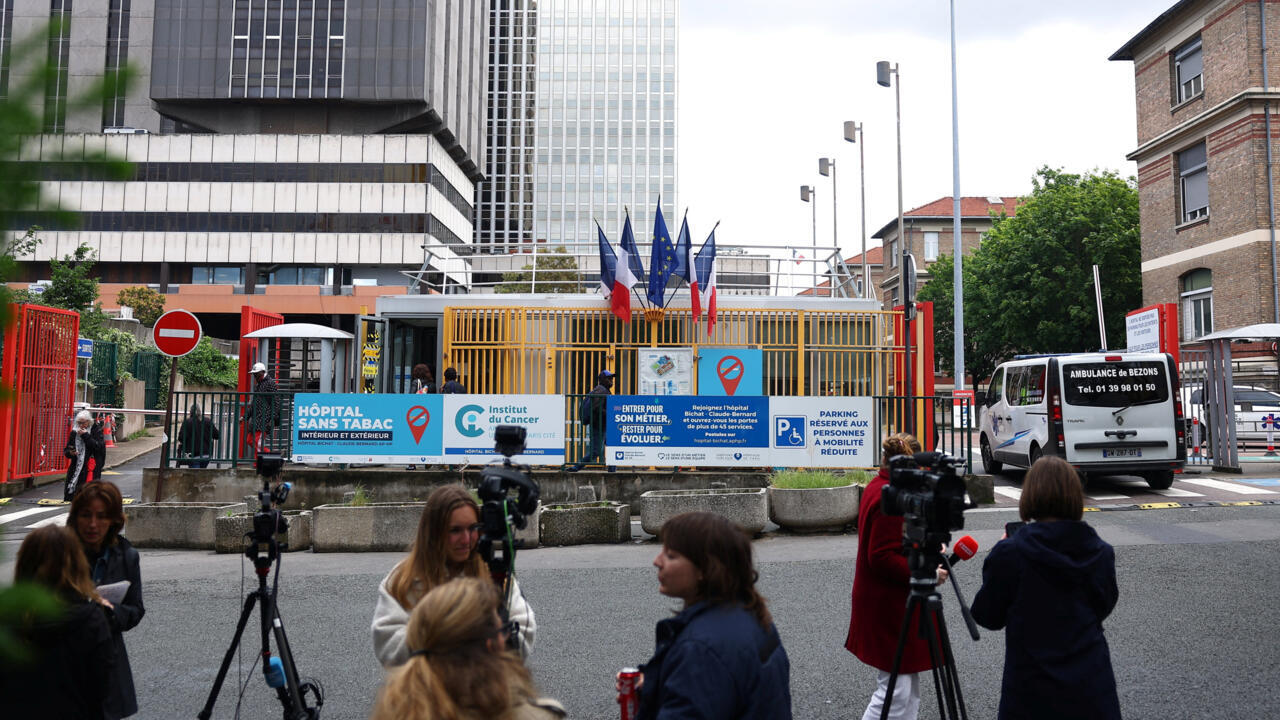
A French woman repatriated from the cruise ship MV Hondius is in intensive care at Bichat Hospital in Paris, undergoing treatment with an artificial lung for severe hantavirus infection. Dr Xavier Lescure, an infectious disease specialist at the hospital, described the device as the final stage of supportive care, designed to relieve pressure on the patient’s lungs and heart to allow for potential recovery. The woman is one of 11 reported cases linked to the outbreak, nine of which have been confirmed, resulting in three deaths including a Dutch couple who visited South America prior to boarding.
The World Health Organization (WHO) has stated there is no evidence of widespread circulation of the virus beyond the ship’s passengers and crew. WHO Director-General Tedros Adhanom Ghebreyesus noted that while confirmed and suspected cases have remained contained to those on board, the long incubation period of the virus means more cases could emerge in the coming weeks. The organisation has advised all returning passengers to remain in quarantine for 42 days, although it acknowledged that enforcement and monitoring protocols vary between nations.
In the Netherlands, the MV Hondius has returned to Rotterdam for disinfection following the evacuation of 87 passengers and 35 crew in Tenerife. Two aircraft transported Dutch nationals, passengers from Australia and New Zealand, and crew from the Philippines to Eindhoven, where they were placed in quarantine. Additionally, twelve employees at the Radboud University Medical Center in Nijmegen have been placed in preventive quarantine for six weeks after allegedly mishandling bodily fluids from a passenger who tested positive for the virus. The hospital stated the risk of infection is low but cited a failure to follow stricter handling procedures.
A Spanish passenger who was evacuated from the ship has also tested positive for hantavirus and is currently in quarantine at a military hospital in Madrid. This marks the first known hantavirus outbreak on a cruise ship. While hantavirus is typically spread through rodent droppings and does not transmit easily between people, the Andes virus strain detected in this outbreak can spread between people in rare instances. Symptoms such as fever, chills, and muscle aches usually appear between one and eight weeks after exposure.
Argentina’s health ministry is dispatching a team of scientific experts to investigate the origin of the outbreak, focusing on a landfill visited by the deceased Dutch couple. Local officials in the province where the cruise departed have challenged the theory that the infection originated from the dump. The Dutch couple, identified by the WHO as the first infected passengers, spent several months in Argentina and neighbouring South American countries before boarding the vessel.