French winemakers turn to vitiforestry as climate pressures mount
As spring frosts and summer heatwaves threaten harvests, a growing number of French winegrowers are adopting agroforestry techniques, supported by new legal frameworks and research confirming the resilience of shaded vines.
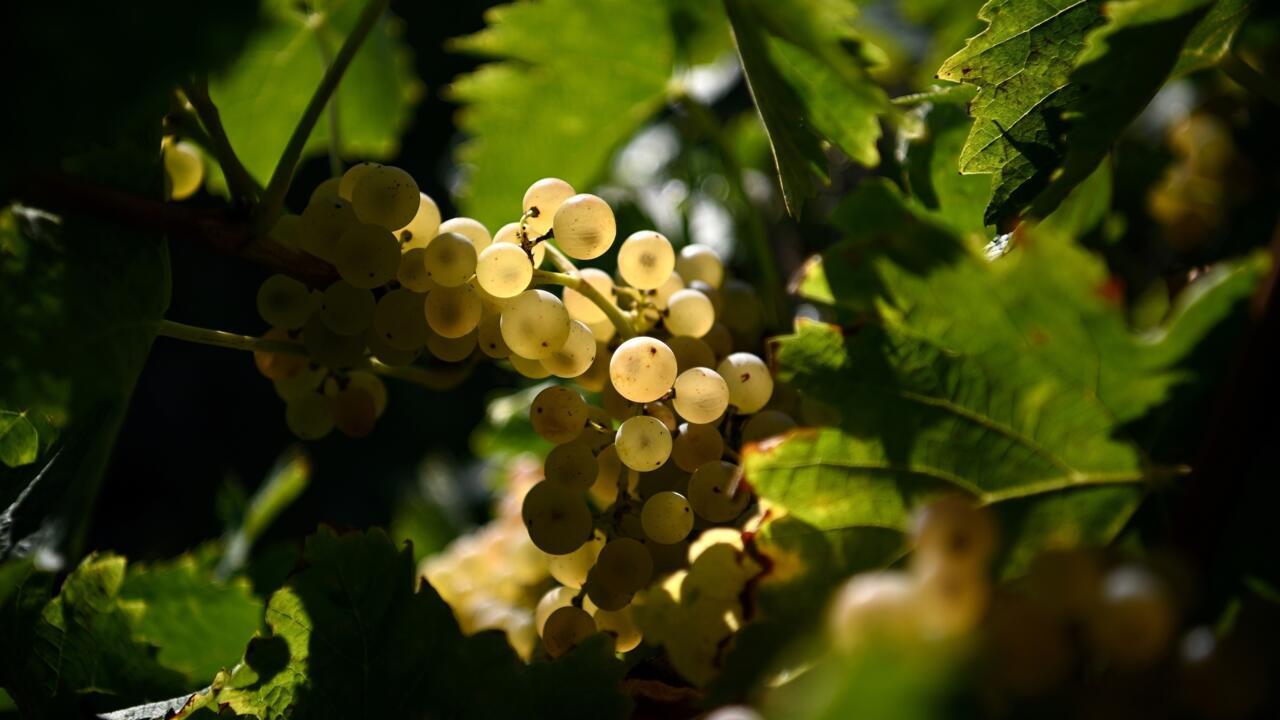
Winemakers across France are increasingly experimenting with vitiforestry, an ancient practice of growing trees alongside vines, to mitigate the escalating impacts of climate change. The method, which involves integrating species such as maples, fruit trees, and hazelnuts into vineyards, aims to protect grapes from spring frosts and provide essential shade during heatwaves. This shift represents a significant adaptation strategy for a sector facing increasingly unpredictable weather patterns, including sudden droughts and violent rainfall.
The technique is being implemented in regions ranging from Bordeaux to Languedoc and Champagne, with notable adoption in the northern Rhone hills. Pierre-Jean Villa, a winemaker near the Condrieu and Cote-Rotie appellations, has reintroduced the practice on a plot that lay fallow a decade ago. Guided by his son Hugo, an agricultural school graduate, Villa interspersed prized Syrah grapevines with dense rows of apple, pear, peach, hazelnut, and quince trees. The project, developed with assistance from regional park experts, seeks to replicate historical agricultural methods while addressing modern climatic hazards.
Early results from the 2025 season have provided anecdotal evidence of the method’s efficacy. During a 20-day heatwave in August 2025, Villa reported that his vitiforestry plot yielded "decent" results compared to traditional plots. Christian Dupraz, research director at the National Research Institute for Agriculture, Food and Environment (Inrae), corroborated these observations. Dupraz noted that vines in agroforestry settings coped well with 40-degree Celsius temperatures recorded the previous year, stating that the trees help reduce leaf and berry temperatures, potentially saving harvests during extreme heat.
The French Agroforestry Association estimates that two to five percent of vineyard areas are now involved in this growing trend. To support the transition, regional authorities are offering subsidies, and customs authorities established a legal framework for the activity in 2024. Dupraz, who has conducted research on agroforestry since 1997, emphasised that the presence of trees limits damage from spring frosts and helps plants manage water release, a critical factor as summer temperatures regularly exceed 40C.
Despite the technical benefits, industry leaders remain cautious regarding the economic implications. Bernard Farges, president of the National Committee of Wine Joint-Professions (CNIV), highlighted that the expected gains are long-term. This timeline may conflict with the immediate financial priorities and difficulties facing many growers in the sector. Nevertheless, as some winegrowers abandon their vineyards due to climatic stress, experts suggest there is significant room for the adoption of agroforestry as a viable adaptation strategy.