French parliamentary inquiry targets judicial accountability in Lyhanna case
Haxie Meyers-Belkin interviews Renaud Foucart on the political drivers behind the hearings and the potential end of unrestricted childhood freedom.
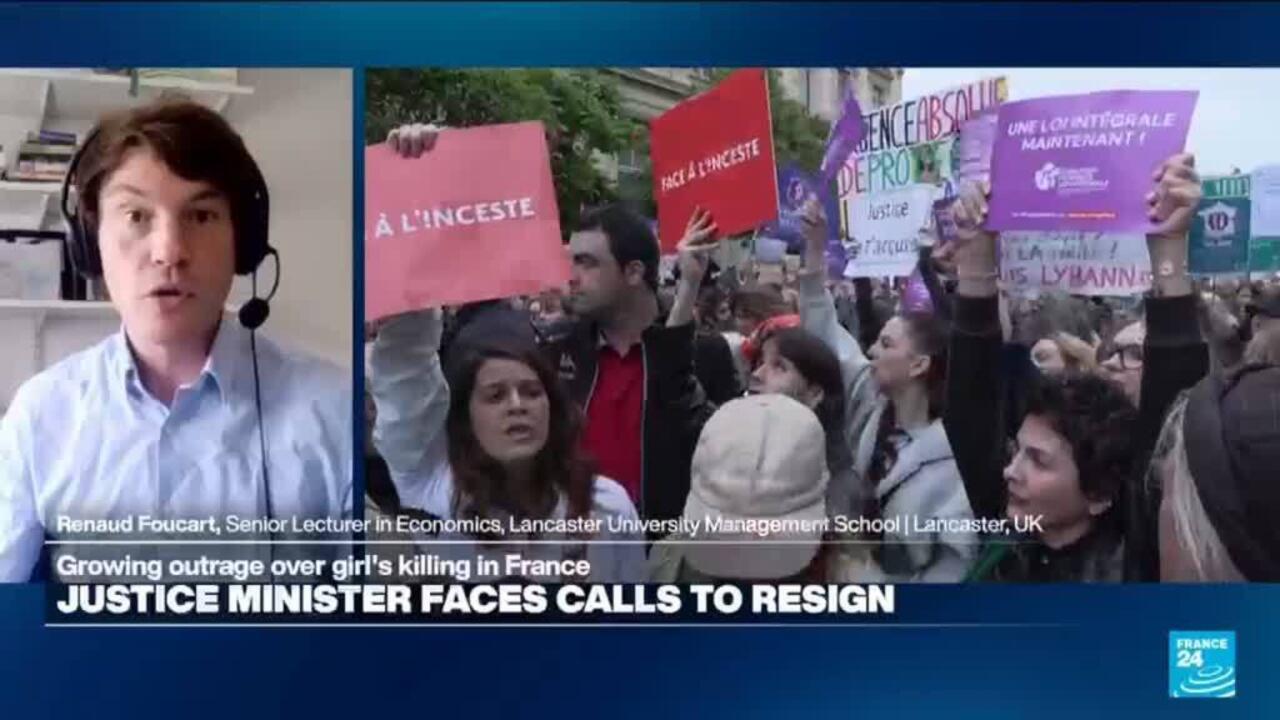
French parliament hearings are currently underway to examine judicial and political responsibility following the murder of Lyhanna, an event that has triggered national outrage. According to Renaud Foucart, Senior Lecturer in Economics at Lancaster University, the proceedings are fundamentally driven by a desire to establish accountability in the wake of the tragedy. The inquiry reflects a broader societal demand for answers as institutions face scrutiny over their role in the case.
Foucart suggests that the hearings mark a pivotal moment for French society, which may now be entering a period of reassessment regarding safeguarding standards. The debate extends beyond immediate legal accountability to encompass deeper questions of parental responsibility and the delicate balance between children’s freedom and security. This shift indicates that the political response will likely address systemic issues rather than isolated failures.
The expert argues that the outcome of these hearings could lead to stronger regulatory measures, although such changes would come at a social cost. Foucart describes this as a trade-off that many societies are increasingly confronting, where enhanced security protocols may restrict the autonomy previously afforded to young people. The potential implementation of stricter safeguards signals a move away from traditional approaches to child welfare.
Commenting on the political dynamics, the source material notes a perception that there is "no one at political level taking responsibility," with efforts instead focusing on blaming the judiciary. Haxie Meyers-Belkin, who interviewed Foucart, highlighted this tension as a key feature of the current political climate. The rush to assign blame underscores the intensity of the public reaction and the pressure on government institutions to respond decisively.
Foucart characterises the potential policy shift as potentially signalling "the end of innocence or the end of children roaming freely." This metaphorical framing captures the gravity of the proposed changes, suggesting a fundamental alteration in how society views childhood independence. While the specific legislative outcomes remain undetermined, the hearings have firmly placed child safety and institutional accountability at the centre of national discourse.