French parliamentary inquiry into public broadcasters transforms into political confrontation over state media funding
Critics warn the investigation risks undermining trust in institutions like FRANCE 24 and advancing plans to privatise state media if the far right wins the 2027 elections.
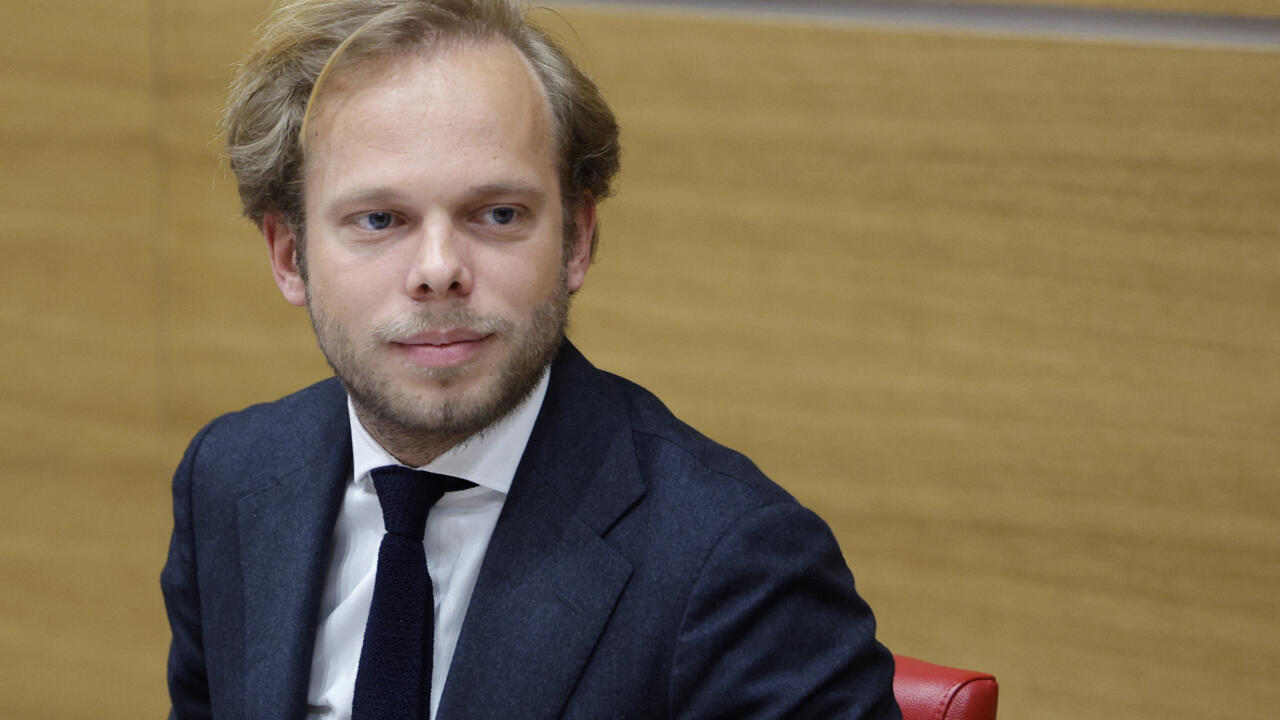
A routine French parliamentary inquiry into the nation's public broadcasters has devolved into a high-profile political confrontation, amplifying far-right attacks on state-funded media. Led by 32-year-old Charles Alloncle, the probe has drawn widespread attention through vociferous hearings and viral social media clips, transforming a standard oversight mechanism into a polarising spectacle.
The investigation, which examines the €4 billion annual public broadcasting sector, is being used by allies of the far-right National Rally (RN) to wage a culture war against institutions such as FRANCE 24. While Alloncle cites budget concerns, including a €60,000 fee paid to actress Virginie Efira for the 2022 Cannes Film Festival opening ceremony, opponents allege the strategy aims to destroy the legitimacy of public broadcasting under the guise of fiscal responsibility.
Alloncle, who entered politics from the finance sector and sits with a group of breakaway conservatives aligned with the RN, has employed an aggressive questioning style that has generated significant public discourse. He revealed commercially sensitive information regarding the public broadcaster's payment for the festival's broadcast rights, a move analysts suggest could allow private competitors to undercut future bids. This approach has drawn comparisons to right-wing attacks on the BBC in Britain prior to and following the Brexit referendum.
Centrist lawmaker Jeremie Patrier-Leitus has alleged interference from conservative media magnate Vincent Bolloré's empire, claiming the Lagardère News holding circulated lists of suggested questions reflecting a hostile line toward public broadcasters. Bolloré, a conservative Catholic billionaire who owns outlets including CNews and Europe 1, has amplified Alloncle's message, though he denied coordinating with the inquiry chair during testimony.
Critics warn the inquiry risks undermining trust in state-funded media and advancing RN plans to privatise the sector if they win the 2027 elections. Polling data indicates a shift in public perception, with the budget-focused narrative resonating during current cost-of-living pressures, even though 70 per cent of French people held a good impression of public broadcasting at the outset of the inquiry in December.
Alloncle, who currently sits with a group of breakaway conservatives aligned with the RN, is viewed by sources as seeking a cabinet post in a future far-right government. RN leaders have relished turning the spotlight on public broadcasters that have long scrutinised the far right, with lawmaker Renault Matthias stating that the probe serves the party's manifesto pledge to privatise public broadcasting.