Frederiksen secures third term as Denmark forms minority government amid US-Greenland standoff
Mette Frederiksen’s new centre-left administration faces a precarious landscape, having lost seats in parliament while confronting threats to Danish sovereignty over Greenland and escalating defence demands.
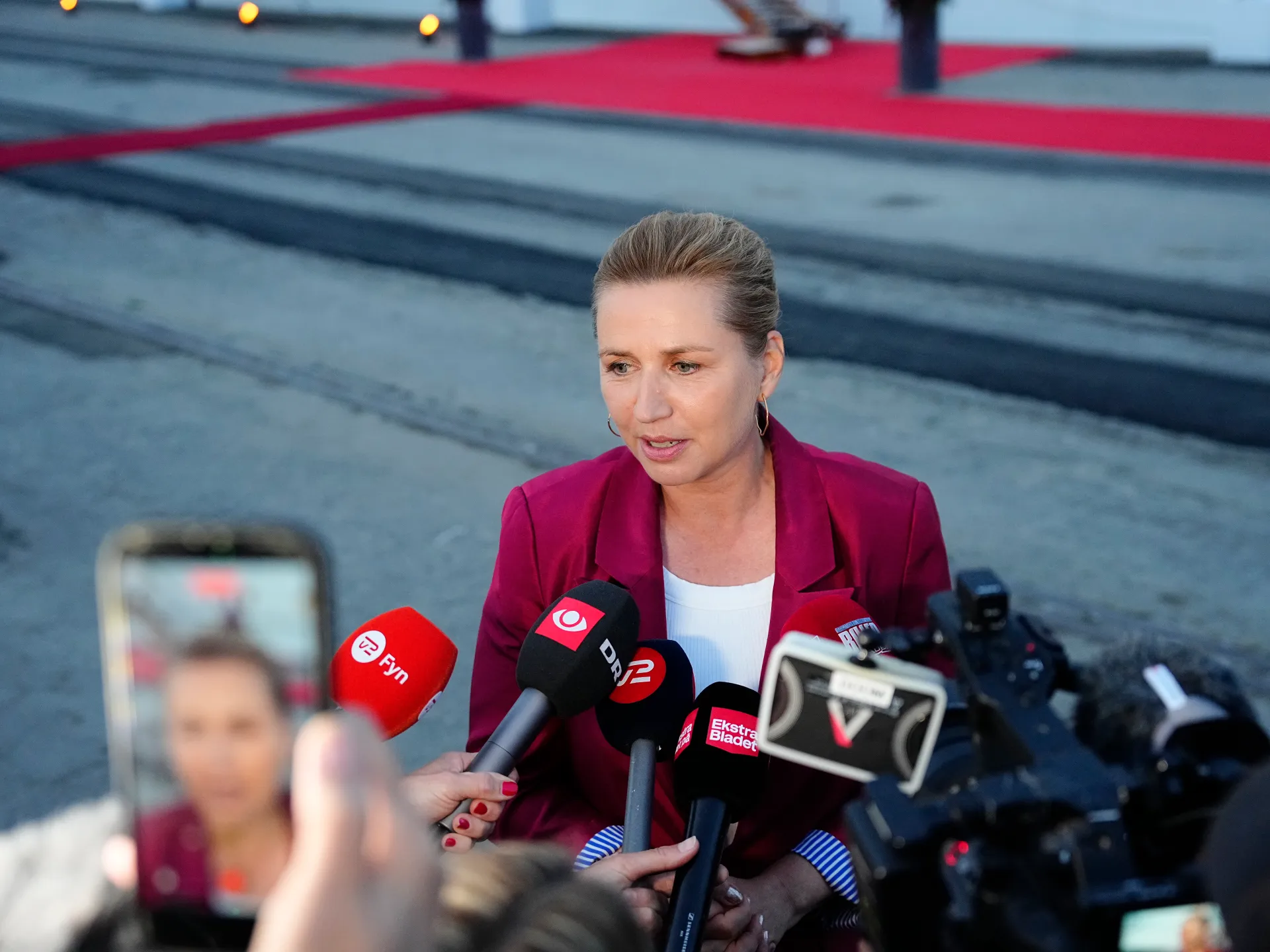
Mette Frederiksen has secured a third consecutive term as prime minister of Denmark, forming a centre-left minority government that ends a two-month political deadlock following the March general election. The breakthrough, announced on Monday, concludes more than 60 days of negotiations involving 12 parties and a failed attempt by the centre-right Liberals to establish a rival cabinet. Frederiksen confirmed the formation to reporters in Copenhagen, stating she had formally visited the King to announce the new administration.
The Social Democratic Party’s electoral performance reflects significant voter dissatisfaction with the cost-of-living crisis. In the March 24 election, the party’s representation in the 179-seat parliament dropped from 50 to 38 seats, marking its lowest result since 1903. Consequently, the incoming cabinet operates with a reduced parliamentary majority, necessitating careful legislative management as it assumes power.
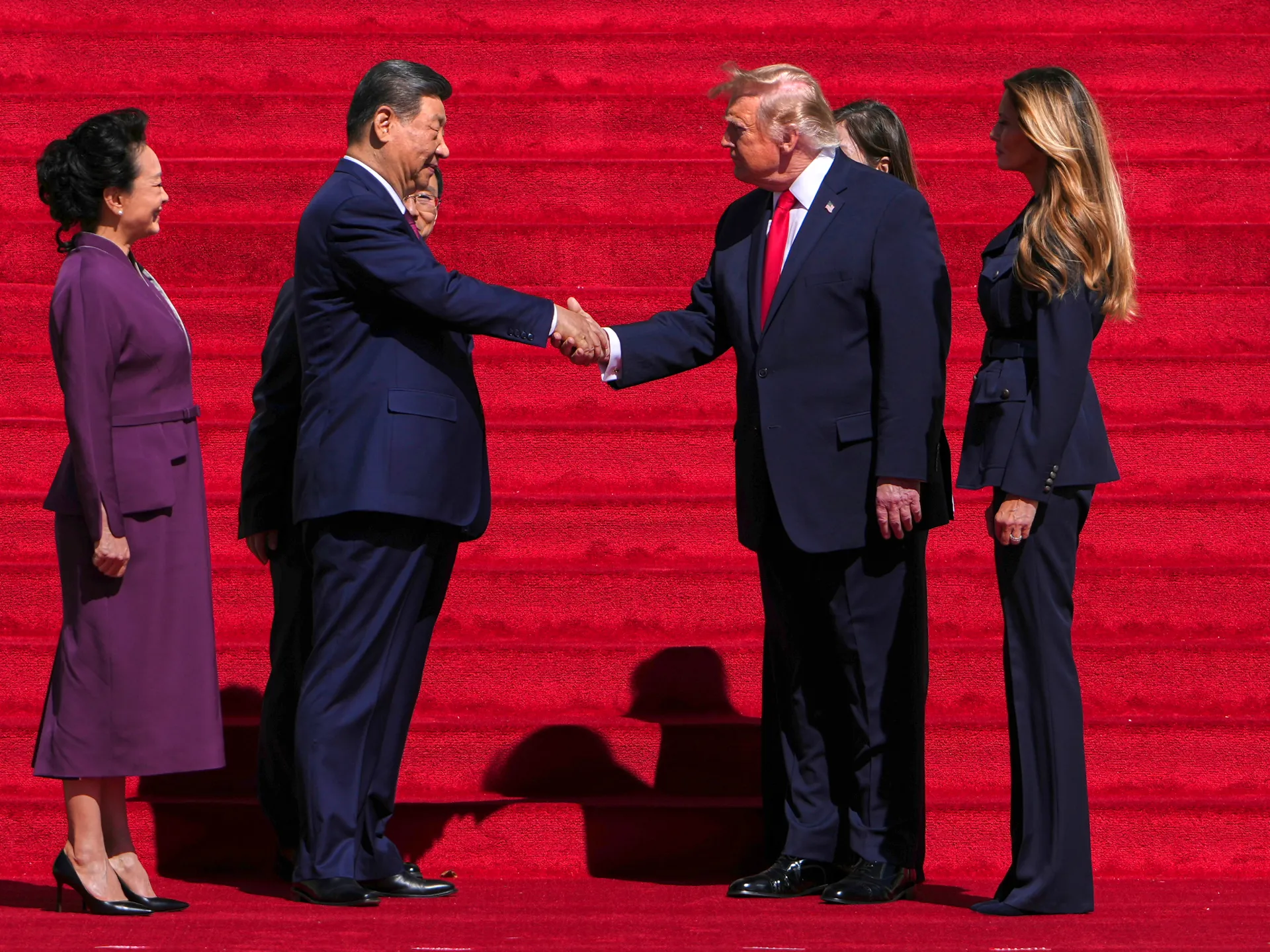
The new government immediately confronts a severe diplomatic crisis with the United States regarding the future of Greenland. Tensions have escalated following threats by President Donald Trump to annex the autonomous Arctic territory. Frederiksen has firmly rejected any cession of sovereignty, warning that an American takeover would signal the end of NATO. Her administration must now navigate the strategic implications of this standoff, particularly concerning the US Pituffik Space Base and Denmark’s defence installations.
Beyond the transatlantic dispute, the administration faces a deteriorating security environment in Europe driven by the war in Ukraine. Frederiksen’s immediate priorities include managing the expansion of Denmark’s military capabilities. The country has already increased defence spending to exceed 3% of GDP and implemented the historic expansion of military conscription to women, measures designed to bolster national resilience in a volatile regional context.
The stability of the minority government remains uncertain as it balances domestic economic pressures with these urgent foreign policy and defence challenges. While the political deadlock has ended, the Frederiksen government must now demonstrate its capacity to maintain sovereignty and alliance commitments while addressing the structural weaknesses exposed by the recent election.